

Ultimate Guide to Setting Up a Home Defense Plan with Less-Lethal Airguns in Canada
Disclaimer and scope: what this guide is (and isn’t)
This article is for informational purposes only, focused on planning, safety, and responsible ownership. It is not legal advice. Canadian home defense laws are fact-specific, and what is reasonable in one situation may be unlawful in another. If you need advice about your specific situation, consult a qualified Canadian lawyer. The goal here is a practical home security plan that prioritizes prevention, de-escalation, and safer (less-lethal) options.
When people search for home defense Canada topics, they often want clarity on what they can do legally and what equipment makes sense. In Canada, “self-defence” is not a gear-first concept; it’s a conduct-and-reasonableness concept. That means your planning should start with: avoiding confrontation, making it hard for criminals to enter, calling police early, and having simple, repeatable actions for you and your household.
Home protection in Canada starts with a plan, not a product
A dependable defense plan Canada households can actually follow is usually simple, written down, and practiced. The best home protection Canada strategies share three principles:
Prevention: reduce the chance of a break-in (lighting, locks, cameras, habits).
Protection: create time and distance (layers, safe rooms, alarms).
Response: clear steps under stress (who calls 911, where to go, what to say).
Less-lethal tools can fit inside the “response” piece, but they should not become the entire plan. If your only plan is “grab something and confront,” you are more likely to make a dangerous situation worse.
Understanding the Canadian legal context (high level)
In plain language, Canadian self-defence law focuses on whether you reasonably believed force was being used (or threatened) against you or another person, whether your actions were for the purpose of defending, and whether your response was reasonable in the circumstances. “Reasonable” is the hard part: it depends on what happened, what you perceived, and what alternatives were available.
Practical takeaways for canadian home defense planning:
Avoidance matters: If you can safely retreat to a locked room and call police, that’s often a safer and more defensible choice than going looking for an intruder.
Escalation can backfire: Chasing someone outside, continuing force after the threat has ended, or using force to protect property alone can create legal risk.
Statements matter: Your plan should include what you say on a 911 call and to responding officers: focus on safety, what you observed, and that you want police/medical help.
Because laws and interpretations can change and vary by context, treat this as general guidance only. If you are building a serious home defense plan, consider a one-time consultation with a lawyer and local training professionals for your region.
What “less-lethal defense” means (and what it doesn’t)
Less-lethal defense refers to tools and tactics intended to stop or deter a threat while reducing the risk of death compared to firearms. “Less-lethal” does not mean “non-lethal,” and it does not mean “risk-free.” Any projectile device can cause serious injury, particularly at close range or if it impacts the head, neck, throat, or eyes.
When people consider home defense airguns, they often do so because air-powered devices can be accessible, easy to use, and may provide a meaningful deterrent when integrated into a layered plan. But they must be chosen, stored, and trained with carefully.
Airguns in Canada: practical notes for home defense planning
Airguns in Canada fall under a mix of federal and provincial rules depending on their power, design, and how they are used. Some lower-velocity airguns are commonly sold without a firearms licence, while higher-powered models may be regulated similarly to firearms. Product classifications can be nuanced and are not always obvious from appearance alone.
High-level planning implications:
- Know what you own: Confirm the model’s specifications and how it is classified. Don’t assume based on looks.
- Prioritize safe storage: Even if a device is not licensed, responsible storage reduces risk and can be critical if you have children, visitors, or roommates.
- Training matters more than power: A simple platform you can operate safely under stress is typically better than a complex one you can’t.
This guide uses “defensive airguns” to describe less-lethal, home-oriented platforms (often CO2-powered or similar) designed to launch marking rounds, rubber balls, or other training/defensive projectiles. Always use manufacturer-approved ammunition and follow local laws.
Step 1: Assess your home’s risks (a quick, honest audit)
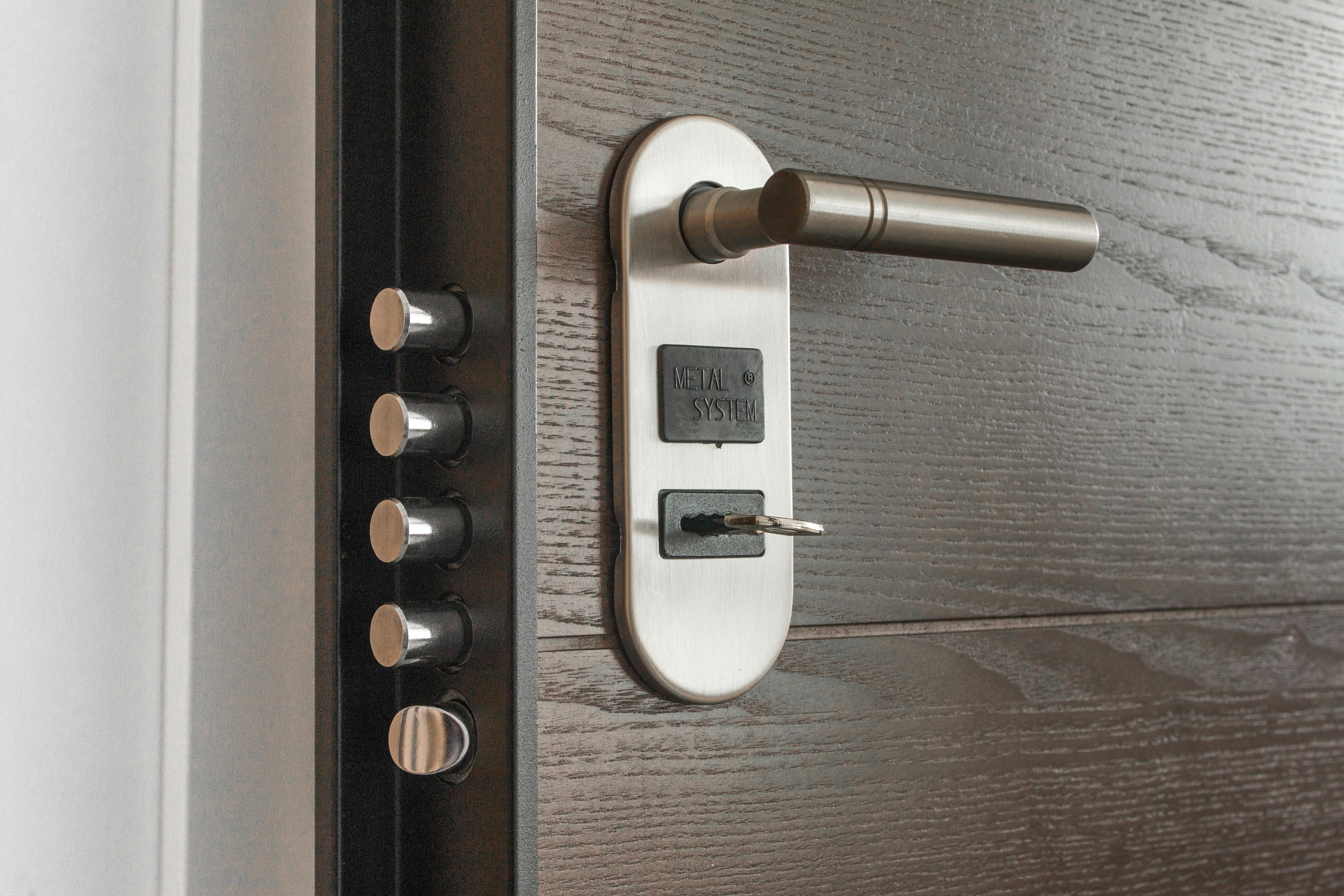
Before thinking about home defense equipment, do a 15-minute walkthrough and answer these questions. The goal is to choose the right layers for your home and lifestyle, not to copy someone else’s setup.
Neighborhood and pattern
- Are break-ins in your area typically daytime opportunistic theft, or nighttime home invasions?
- Are garages and sheds being targeted?
- Do you have predictable routines (work hours, school drop-offs) that create openings?
Property layout
- Which doors and windows are most vulnerable?
- Where are hiding spots outside (shrubs, fences, dark corners)?
- What is your “safe room” candidate (bedroom, office) that can be locked and defended?
Household realities
- Children or teens in the home?
- Pets that might alert (or complicate movement)?
- Anyone with limited mobility, hearing issues, or medical needs?
- Who is comfortable calling 911? Who freezes under stress?
Your constraints
- Condo rules, close neighbors, thin walls, shared hallways?
- Rural response times?
- Ability to train regularly?
Step 2: Build layered security (the foundation of home security in Canada)
The most effective home protection Canada approach is “layers.” Each layer either deters entry, delays entry, or alerts you early. Early warning is what buys you time to move to safety and call police.
Layer A: deter
- Lighting: Motion lights at approaches, driveway, side gates.
- Visibility: Trim shrubs near windows and doors; remove hiding spots.
- Signage: Alarm and camera signage can deter opportunists.
Layer B: delay
- Door hardware: Quality deadbolts, reinforced strike plates, longer screws into studs.
- Window upgrades: Locks, security film, dowels in sliding doors.
- Garage security: Secure the interior door and keep openers protected.
Layer C: detect
- Cameras: Cover main approaches; ensure night performance is usable.
- Door/window sensors: A basic alarm that wakes you up is valuable.
- Dogs: Even small dogs can provide early warning.
Layer D: respond
This is where your household procedures and any less-lethal tools belong. A response layer without the earlier layers is a gamble, because you’re reacting late and with less information.

Step 3: Write a simple “night plan” and “away plan”
A useful home defense plan fits on one page. The more complicated it is, the less likely it is to work at 3 a.m.
Your night plan (example structure)
- Alert trigger: alarm, glass break, dog bark, camera notification.
- Immediate actions: turn on lights, grab phone, wake partner.
- Move: everyone goes to the safe room (or designated corner/behind cover).
- Lock: lock and barricade the door if possible.
- Call: one person calls 911 and stays on the line.
- Challenge from safety: if needed, use a loud verbal warning from behind cover (not a confrontation walk-through).
- Defend if forced: only if the threat breaches your safe space and you reasonably believe you face harm.
Your away plan
- What happens if someone arrives home and sees a forced door?
- Rule: do not enter; move to a safe location; call police.
- Who contacts neighbors/family? Where do you meet?
Step 4: Choose a safe room and set it up
In many Canadian home defense scenarios, the safest choice is to avoid searching the house and instead protect a secured room while police respond.
Safe room checklist
- Solid door and working lock: consider a reinforced strike plate.
- Phone access: charger and reliable signal.
- Light control: lamp or switch you can reach quickly.
- Cover and angles: identify a position that’s not directly in line with the doorway.
- First aid: a basic kit; consider a tourniquet if trained.
- Communication: loud alarm button, car alarm fob, or panic feature.
Where less-lethal airguns fit into a Canadian home defense plan
Less-lethal airguns can be part of a home defense Canada strategy when they are treated like a last-resort tool and integrated with safe storage, training, and clear rules for use. They are not a substitute for locks, alarms, and calling police.
Common reasons people consider a self defense air gun Canada option include:
- Deterrence: the presence of a defensive platform may discourage an aggressor (though you should never rely on this).
- Distance: it can allow you to respond from farther away than empty-hand options.
- Reduced lethality: compared with firearms, the intention is to reduce the likelihood of fatal outcomes, while still creating a meaningful stop or escape opportunity.
Important limitations to understand
- They can still seriously injure: especially at close range or sensitive impact zones.
- They may fail to stop: pain compliance is unreliable against determined attackers, intoxication, or mental health crisis.
- Legal scrutiny still applies: “less-lethal” does not automatically equal “reasonable.”
- Misidentification risk: in a chaotic scene, anything gun-shaped can be mistaken for a firearm by bystanders or responding police.
Types of defensive airguns and how to choose
For home use, most people look at less-lethal launchers or air-powered defensive platforms that fire marking projectiles, rubber balls, or similar rounds. Your selection should be guided by reliability, simplicity, and safe storage more than raw performance.
1) Less-lethal pistols
Pros: compact, easier to store discreetly, one-hand operation possible. Cons: generally harder to aim accurately under stress and may be more sensitive to grip/trigger control.
If you are researching categories, you can browse a dedicated collection of self defense pistols to understand what styles exist and which are designed around less-lethal roles rather than target shooting.

2) Less-lethal rifles / long guns
Pros: often easier to aim, more stable, may offer better capacity or accessory mounting. Cons: larger footprint, more difficult to maneuver in tight hallways, storage can be more complicated.
To compare formats, see a collection of self defense rifles used for training, marking, and defense-oriented setups.
3) Training and marking platforms
Some air-powered platforms are designed for training, force-on-force-style marking, or paintball-like roles. In a home setting, that can translate into deterrence and the ability to identify a threat without relying solely on pain compliance.
A broader view of what exists is available in the Self Defense/Paintball/Training collection.
Selection criteria (what matters most)
- Reliability: consistent function with your chosen rounds; robust magazines; dependable puncture/seal system if CO2-based.
- Ease of use: simple safety/controls you can operate half-awake.
- Ergonomics: can all responsible adults in the home operate it safely?
- Accessory compatibility: a practical light (or handheld light) is often more useful than many other add-ons.
- Safe storage solution: if you can’t store it safely, don’t choose it.
- Ammunition availability: consistent supply of the correct rounds and spares.
Choosing less-lethal ammunition: what you should consider
Ammunition choice is where many home-defense plans become unrealistic. “Harder” is not automatically “better,” and the wrong projectile can increase the risk of severe injury, property damage, or legal problems.
General categories you may encounter include rubber balls, marking rounds, and other specialty defensive projectiles. Each has different trade-offs in terms of accuracy, impact, and cleanup.
For a deeper, Canada-specific overview of common projectile types and considerations, read: Self-Defense Ball Ammunition Guide.
A practical ammo strategy for home use
- Pick one primary defensive round you can source reliably and that functions consistently in your platform.
- Confirm accuracy at realistic distances inside your home (often 3–7 meters). “Minute of hallway” is the standard.
- Avoid improvising: do not use unapproved projectiles or DIY loads.
- Plan for aftermath: marking rounds can create evidence and deterrence but may require cleanup; consider where your backstops are.
Safe storage: the part of the plan that protects your family every day
In a true home defense situation, seconds matter. But in day-to-day life, safe storage matters more often than anything else. A good plan balances readiness with preventing unauthorized access.
Core storage principles
- Prevent unauthorized access: especially children, teens, guests, and anyone in crisis.
- Control ammunition: store spare CO2/cartridges and rounds thoughtfully, based on your risk profile.
- Condition check: store in a consistent state (for example, not partially loaded and forgotten).
- Humidity and maintenance: store in a dry place; follow manufacturer lubrication guidelines.
Practical storage options
- Lockable quick-access safe: for adults-only homes or where readiness is important.
- Locked cabinet with a separate lock for ammo: prioritizes safety where kids are present.
- Dedicated storage location: everyone in the household should know the rules, but not necessarily the access method.
Training and practice: making the plan work under stress
Tools don’t create capability; practice does. A responsible home defense airguns approach includes regular, simple drills that build safe handling, decision-making, and communication.
Skill priorities (in order)
- Safety and muzzle discipline: treat it like a lethal weapon for safety purposes.
- Identification: you must identify what you’re dealing with, not assume.
- Communication: verbal commands and coordination with family.
- Light use: handheld or weapon-mounted light techniques that don’t flag family members.
- Accuracy at indoor distances: fast, controlled hits on a small target zone.
- Malfunction management: CO2 issues, feeding problems, and reload procedures.
Simple home drills (dry practice only unless safe and legal)
- 911 script rehearsal: who calls, what they say, how they describe themselves and their location.
- Safe-room movement: from bed to safe room, lock, take cover, communicate.
- Verbal challenge: firm commands from behind cover: “Stop. I’ve called police. Leave now.”
- Light discipline: practice turning lights on/off and using a handheld light without pointing the device at unknowns.
Live practice considerations
If you practice firing your defensive platform, do so only where it is safe and lawful. Follow local bylaws and use appropriate backstops. Many Canadians live where backyard discharge is restricted; a range or approved area may be required. Always wear eye protection when shooting and when handling pressurized systems.
Scenario planning: what to do in common situations
Home defense planning is mostly scenario planning. You are building “if/then” rules so you don’t invent a plan while scared.
Scenario 1: you hear a door/window being forced at night
- Wake household; grab phone.
- Move to safe room; lock/barricade.
- Call 911 early; stay on the line.
- Use lights and alarms to make the home unattractive to remain in.
- Only if the threat breaches your safe space and you reasonably believe harm is imminent should you consider deploying a less-lethal tool.
Scenario 2: you come home to an open door
- Do not enter.
- Move to safety (car, neighbor, outside line of sight).
- Call police and wait. This is a core home security plan habit that prevents avoidable confrontations.
Scenario 3: someone is pounding on the door claiming an emergency
- Keep the door closed and locked.
- Communicate through the door: offer to call 911 for them.
- Turn on exterior lights; check camera if you have one.
- If they try to force entry, treat it as a break-in: safe room and 911.
Scenario 4: condo/apartment hallway encounter
Shared spaces add complexity: neighbors may misinterpret what they see, and backstops are poor. In multi-unit buildings, prioritize avoidance, barriers, and police contact. A less-lethal device may still be part of your plan, but you should be especially cautious about angles, bystanders, and how quickly a situation can be misunderstood.
De-escalation and communication: often the highest-impact “equipment”
Many incidents end when the homeowner creates uncertainty and consequences for the intruder: lights, alarms, a loud voice, and police on the way. Clear, simple language can help:
- “Stop. Don’t come in.”
- “I’m calling the police now.”
- “Leave the property.”
Avoid threatening language that suggests you want a confrontation. Your goal is to create distance and get help, not win an argument.
Medical and aftermath planning
A well-rounded home defense equipment list includes medical basics. If force is used (even less-lethal), someone can be injured: the intruder, you, or a family member. Consider:
- First aid kit in the safe room.
- Training: basic first aid/CPR is widely available in Canada.
- Emergency info: house number visible; address written near the phone for kids/guests.
If you ever have to use force
If police are responding:
- Comply immediately with commands.
- Keep hands visible and avoid holding any device when officers arrive if it’s safe to set it down.
- Ask for medical attention if anyone is injured.
- Request legal counsel before giving a detailed statement if you’re shaken or unsure.
Common mistakes in Canadian home defense planning (and how to avoid them)
Mistake: relying on one tool
Any single tool can fail, be inaccessible, or be inappropriate. Build layers: deter, delay, detect, respond.
Mistake: “clearing the house”
Moving through your home searching for an intruder is dangerous. In many cases the safer choice is to consolidate in a safe room and call police.
Mistake: not accounting for family members
Many tragedies come from misidentification. Your plan should include positive identification, family “challenge words,” and rules for late-night movement (for example, kids call out before leaving their room).
Mistake: unsafe storage
Unsafe storage creates everyday risk that outweighs the rare home invasion risk. Build readiness around controlled access, not around leaving devices accessible to anyone.
Mistake: unrealistic training expectations
If you won’t practice, choose simpler equipment and focus on alarms, locks, and safe-room procedures. A modest plan executed well beats a complex plan you won’t follow.
Putting it together: a practical home defense checklist (Canada)
Use this as a starting point for a household discussion.
Security layers
- Exterior lighting working
- Doors reinforced; deadbolts functional
- Window locks/film where appropriate
- Cameras/alarm configured; notifications tested
- House numbers clearly visible
Household plan
- Safe room chosen and prepared
- Night plan written and practiced
- Away plan agreed
- 911 roles assigned
- Family identification plan (who is where at night; verbal check-ins)
Less-lethal options (if appropriate for your household)
- Defensive platform selected for reliability and ease of use
- Ammunition selected and tested for function
- Safe storage solution installed
- Basic training and periodic refreshers scheduled
- Light plan (room lights and/or handheld light) established
Learning more about less-lethal airguns in Canada
If you want to go deeper into platform types and how they’re commonly set up for civilian use, the following resources can help you understand what’s available and how different systems work:
- Complete Guide to Non-Lethal Self-Defense Pistols in Canada
- Self-Defense Ball Ammunition Guide
- Self Defense/Paintball/Training collection
Final thoughts: a responsible, realistic approach to home defense in Canada
The best home defense canada approach is rarely about finding the “most powerful” option. It’s about building a calm, repeatable system that keeps your household safe: layered security, early warning, a safe room, a 911-first mindset, and tools that you can store securely and operate responsibly.
Less-lethal airguns can play a role in canadian home defense when they are chosen carefully, used within the law, and treated as a last-resort option inside a broader home security plan. If you do that work up front, you’ll be better prepared for the situations that are most likely to happen, and safer in the situations you hope never occur.


