
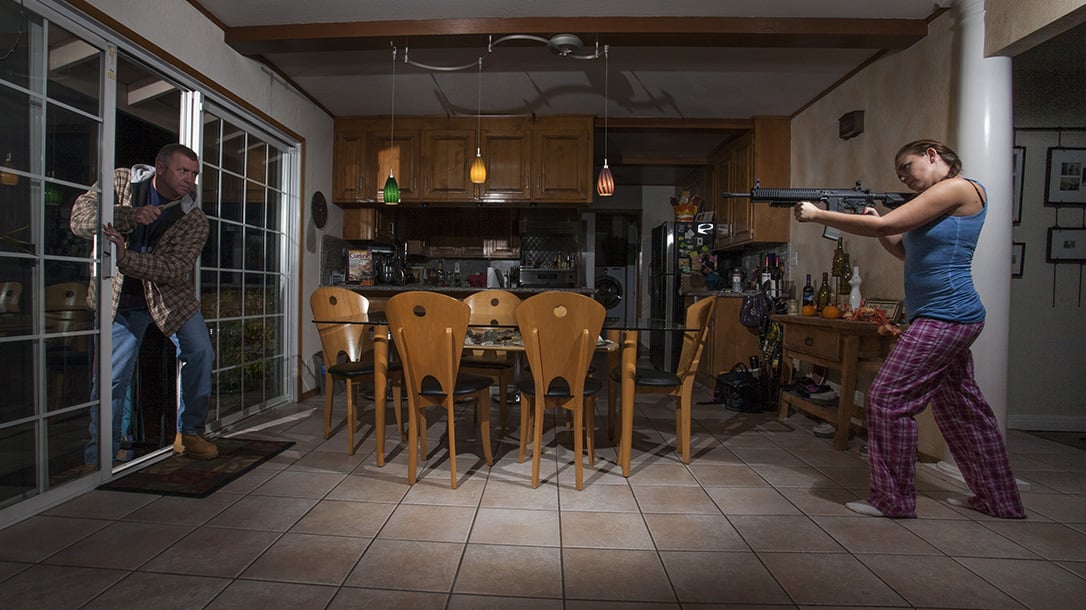
Why a “complete” home defense kit is more than a launcher
A launcher can be the centerpiece of a home defense kit, but it’s not the whole system. Real-world readiness comes from how everything works together: home security equipment that buys you time, a reliable CO2 defense system, the right defense ammunition for your setting, and a plan for less lethal training so you can operate your gear safely under stress.
This guide breaks down the full build—what to buy first, what to add next, and what to avoid—so you end up with a home defense kit that’s practical, maintainable, and matched to your home layout and comfort level.
Start with the goal: delay, detect, decide, defend
Home protection is most effective when you think in layers. A launcher (or any defensive tool) sits in the “defend” layer, but the earlier layers often determine whether you ever need to use it.
- Delay: Reinforce weak points so intrusion takes longer.
- Detect: Get early warning (lights, sensors, cameras, alarms).
- Decide: Have a clear plan for where to go, who calls 911, and what “safe” looks like.
- Defend: Defensive tools and defensive projectiles that you can deploy confidently.
If you’re shopping with commercial intent—trying to choose products—this framework helps you prioritize purchases instead of over-investing in one category and neglecting the others.
Core home security equipment (the layer that prevents most incidents)
Before you compare rubber rounds or glass breaker ammunition, invest in basic home security equipment. These upgrades reduce the chance of a confrontation and improve your options if something goes wrong.
1) Door and frame reinforcement
- Heavy-duty strike plates with longer screws into studs.
- Reinforced deadbolt (grade-rated is ideal).
- Door jamb reinforcement kit for high-risk doors (front/garage entry).
- Peephole or door viewer if you don’t already have one.
These are low-cost, high-impact improvements: they delay entry and create time for you to move, lock interior doors, call for help, and access your home defense supplies.
2) Lighting and visibility
- Motion-activated exterior lights at entries and dark sides of the home.
- Trim landscaping to remove hiding spots near windows.
- House numbers visible from the street for responders.
Lighting is both deterrence and decision support—you can better verify what’s happening before you act.
3) Alerts and communication
- Door/window sensors and a loud siren (even a basic system helps).
- Camera coverage at key approaches (doorbell cam plus one exterior cam is a strong start).
- Charged phone + backup power in your safe room area.
Detection tools reduce uncertainty. Uncertainty is what leads to poor decisions under stress.
Choosing the defensive “platform”: what matters in a defense launcher setup
If you’re building around a launcher platform, the details of your defense launcher setup matter as much as the launcher itself. A defensive tool that’s hard to access, hard to operate, or unreliable under pressure doesn’t perform when it counts.
Reliability: keep the system simple
- Consistent power source: In CO2-based setups, consistency depends on using the correct cylinders and storing them properly.
- Feeds and cycles smoothly: Choose projectiles that are known to chamber reliably in your platform.
- Minimal steps to deploy: Avoid accessories that make it complex to bring online quickly.
Complexity increases failure points. For most households, “simple and repeatable” beats “maximum capability.”
Storage and access: staged, but secured
Your launcher and home defense supplies should be stored so you can access them quickly while still preventing unauthorized handling (especially with children or visitors). Consider:
- Quick-access lockbox or secure cabinet located where you’d actually use it.
- Separate storage for defensive projectiles if that improves safety and organization.
- A dedicated shelf/bin for CO2, spare mags, and a small light.
In many homes, the “safe room” concept (even if it’s just a bedroom with a solid door) is more realistic than moving through the house to investigate.
Environmental considerations (Canadian homes)
Temperature swings can affect CO2 performance. If your CO2 defense system is stored in a cold area (garage, unheated entryway), you may see reduced consistency. Store your system in a climate-controlled part of the home and rotate CO2 as needed.
CO2 defense system essentials: what to buy and why
If you’re using a CO2 defense system, treat CO2 as a consumable and a maintenance item, not an afterthought. Your kit should be able to run a realistic number of practice shots and still have reserved capacity for emergencies.
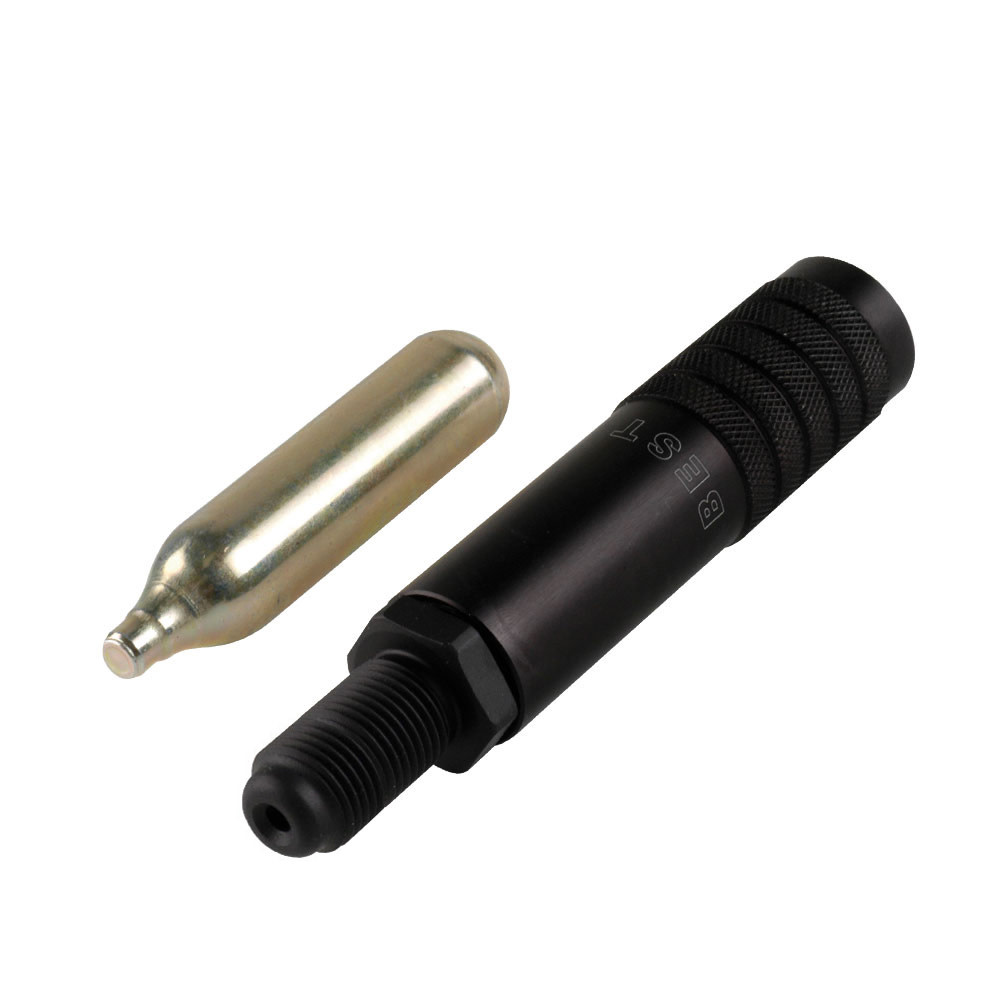
CO2 cylinders: size, quantity, and rotation
Start by selecting the correct CO2 cylinders for your platform and then purchase enough to cover:
- Function checks: periodic testing to confirm the system works.
- Less lethal training: enough gas to practice manipulations and controlled firing.
- Reserve: stored cylinders for immediate readiness.
You can shop CO2 cylinders here: CO2 Cylinders.
Spare magazines, seals, and basic tools
- Spare magazine(s): reduces reload complexity and helps with training repetitions.
- Spare O-rings/seals: small parts that can take a system out of service.
- Non-marring tool or small kit: for quick adjustments and inspection.
Even if you don’t consider yourself “technical,” having basic spares and the habit of periodic checks dramatically improves readiness.
Defense ammunition: choosing the right defensive projectiles for your home
Most buyers focus on the launcher first, but defense ammunition is what determines how the tool behaves in your environment. When comparing defensive projectiles, think about: indoor distances, wall materials, the presence of bystanders, and what role you want the projectile to serve (marking, pain compliance, barrier interaction, or training).
Browse options here: Defense Ammo.
Rubber rounds: what they’re best for
Rubber rounds are commonly considered for short-range defensive use due to their impact-focused design. For home defense planning, their practical value depends on responsible use, accurate shot placement, and a clear understanding of risk. They are not “risk-free” and can still cause serious injury.
- Pros: straightforward to understand; typically consistent feeding; no powder cloud.
- Considerations: impact energy at indoor distances; potential for ricochet depending on surfaces; requires confident handling.
If you’re evaluating rubber rounds as part of your home defense kit, pair them with a structured practice plan so you can make precise hits and manage distance.
Powder balls (and powder balls Canada availability)
Powder balls Canada shoppers often look for projectiles that can create a strong immediate effect and visible marking. Powder-based options may be used in certain training contexts and can also serve as a compliance/marking tool depending on the specific product type.
- Pros: visible accountability/marking; can reinforce shot confirmation during training.
- Considerations: potential mess/cleanup; storage considerations to keep rounds in good condition.
For many households, powder-style projectiles make the most sense when you want a clear training feedback loop (you can see where hits occurred) and when you’ve planned how you’ll handle cleanup.
Glass breaker ammunition: niche capability, real planning required
Glass breaker ammunition is often viewed as a specialized option. The key word is “specialized.” If you’re considering it for a home defense kit, ask yourself what problem you’re solving: Are you planning for vehicle-related scenarios? Is there a realistic need to defeat automotive glass, or is this an “edge case” purchase?
If you want to evaluate this category, one example is Quick Access Glass Breaker Rounds .68 Cal. Treat any barrier-interaction option with extra respect: understand where fragments could go and how you’ll control the environment.
Training ammunition: build skill without burning through premium rounds
Training ammunition Canada buyers usually want two things: cost-effective reps and consistent performance. A good training round should chamber reliably, shoot consistently enough to track progress, and be safe for your practice environment.
A practical example of training-focused ammunition is P2P Core Defense Inert Powder Rounds .68 Cal. Inert options can be especially useful when you want repetition without the variables of active payloads.
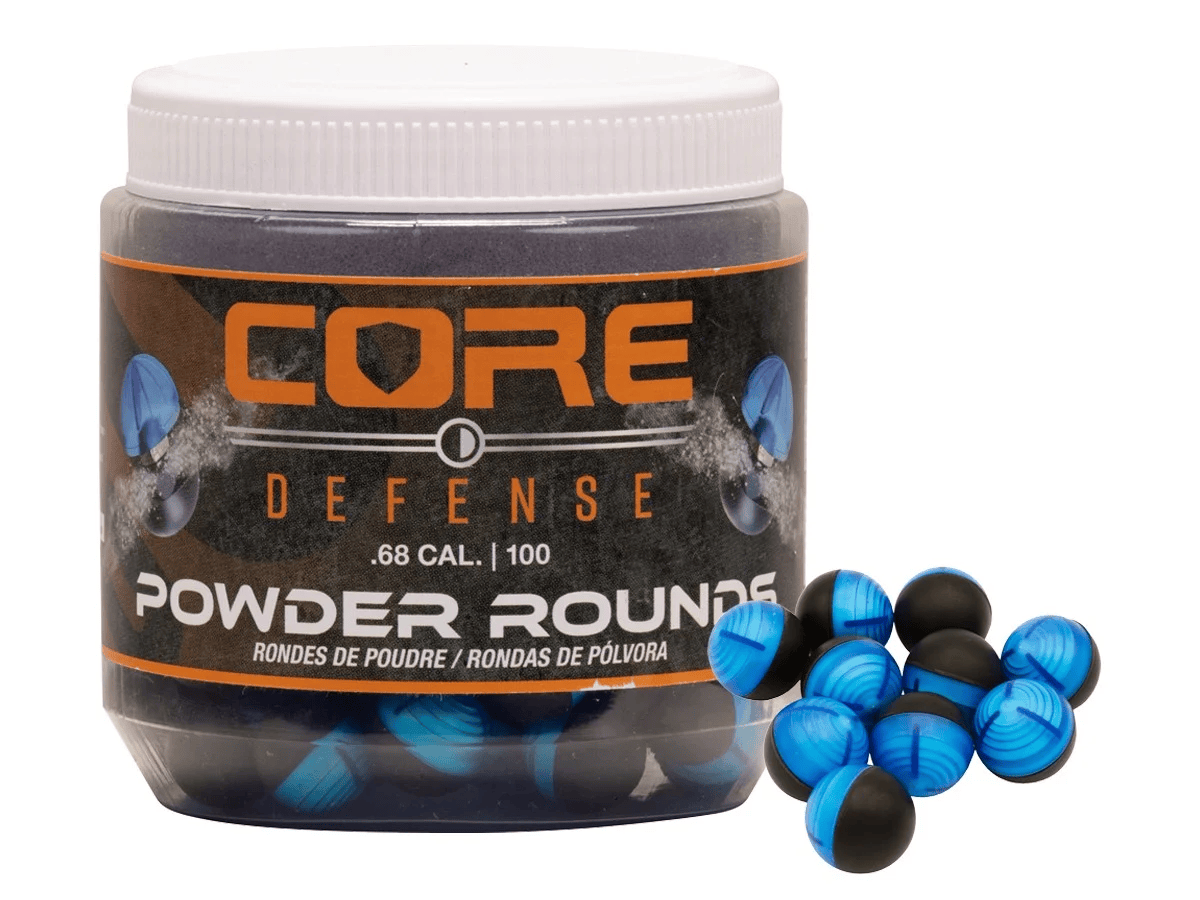
A simple way to structure your ammo loadout
Rather than buying one type in bulk and hoping it fits every scenario, many people build a small “working set”:
- Primary: your chosen defensive projectiles that you can shoot accurately and have tested for reliability.
- Secondary: an alternate type that solves a specific problem (marking, training feedback, or special-case barrier use).
- Training stack: training ammunition for frequent practice and manipulation drills.
This approach keeps your home defense supplies balanced and prevents you from neglecting training because your preferred defensive rounds are too expensive or too messy to practice with.
Less lethal training: the missing piece in most kits
A launcher and defense ammunition won’t compensate for lack of skill. Less lethal training is where you build the habits that matter: safe handling, judgment, and consistent operation under pressure. If you’re searching for self defense training Canada resources, look for instruction that emphasizes legal context, de-escalation, and scenario-based decision-making—not just gear.
What to practice (and why)
- Access and staging: retrieving your system from secured storage without fumbling.
- Loading and reloads: smooth, repeatable manipulation.
- Target discrimination: identifying what you’re aiming at (especially low light).
- Verbal commands: clear, consistent communication that supports de-escalation and helps witnesses understand your intent.
- Movement to safety: getting to a locked room and using cover rather than searching the house.
These skills are also what keep a home defense kit from becoming a liability. Practice doesn’t need to be loud or elaborate; consistent reps and a written plan go a long way.
Build your training kit intentionally
If you want a structured starting point, this companion guide can help: Building Your First Self-Defense Training Kit. The key is to separate “practice gear” from “ready gear” so you don’t constantly disturb your staged setup.
Home defense supplies that support the plan (not just the tool)
A complete home defense kit includes non-launcher items that reduce risk, improve communication, and help you control the situation.
Lighting: handheld and area
- Handheld flashlight: bright, simple UI, easy to hold.
- Bedside light: enough ambient light to navigate without pointing a defensive tool at unknowns.
Lighting is a decision tool. It helps prevent tragic mistakes and supports accurate identification.
Hearing protection (often overlooked)
If you ever need to use a defensive tool indoors, noise and stress will spike. Keep basic hearing protection near your staged equipment. Even simple options can help during practice, and having them available reinforces a “prepared, not impulsive” mindset.
Medical items: be ready for injury
- First aid kit: stocked and accessible.
- Trauma-oriented supplies: at minimum, dressings and a plan to call for help.
This isn’t about assuming worst-case outcomes—it’s about acknowledging that emergencies are unpredictable.
Documentation and planning tools
- Printed emergency numbers and address details.
- Family plan with roles: who calls 911, where to gather, how to lock down.
- Simple map of entry points and camera coverage notes.
The more you can “pre-decide,” the less you improvise under stress.
Putting it together: example kit builds by priority
Below are practical build paths that reflect how most people actually shop. Each is designed to be upgraded over time without wasting money on redundant items.
Build A: Starter-focused (balanced readiness)
- Home security equipment: door reinforcement + motion lighting
- CO2 defense system basics: correct CO2 cylinders + a small reserve
- Defense ammunition: one reliable defensive projectile type + one box of training ammunition
- Storage: quick-access secured storage
- Home defense supplies: flashlight + basic first aid
This build is ideal if you’re new and want real readiness without over-committing to specialized ammunition.
Build B: Training-forward (skill first, confidence fast)
- Training ammunition Canada: larger quantity for repetitions
- Spare CO2: enough for multiple short sessions
- One defensive ammo choice: tested for reliability
- Structured practice plan: weekly short sessions
This build is often the best value because skill reduces the need for “more gear.” It also aligns well with self defense training Canada shoppers who want competence and not just equipment.
Build C: Capability-expanded (specialized options)
- Primary defensive projectiles: your proven choice (e.g., rubber rounds or powder balls)
- Special-case ammunition: glass breaker ammunition if you have a realistic use-case
- Extra mags and spares: to reduce downtime
- Improved detection: cameras/sensors that reduce uncertainty
This build makes sense after you’ve validated your basics. Specialized ammunition is most valuable when you already have reliable handling, good staging, and realistic scenarios in mind.
How to evaluate products before you buy
When you’re comparing home defense supplies online, it’s easy to get pulled into marketing claims. Use a short checklist to keep decisions grounded.
For launchers and platforms
- Can you stage it safely? If it can’t be stored securely yet accessed quickly, it’s not a fit.
- Is the manual of arms simple? Fewer steps is better under stress.
- Does it run reliably with your chosen defense ammunition? If possible, test before committing to bulk buys.
For defense ammunition
- Consistency: does it feed and shoot predictably?
- Suitability for indoor distances: your hallway and room lengths matter more than theoretical maximum range.
- Environment and cleanup: especially for powder-style rounds.
- Training availability: can you get training ammunition that mirrors the handling of your defensive rounds?
For CO2 and consumables
- Availability: can you restock easily?
- Storage life and rotation: do you have a simple way to track what’s staged and what’s for practice?
Common mistakes that weaken a home defense kit
Most problems aren’t caused by a lack of gear—they’re caused by mismatched gear and plans.
- Buying defensive projectiles without training: accuracy and judgment are not optional.
- Overcomplicating the defense launcher setup: too many accessories, too many steps.
- No detection layer: you can’t respond well to what you don’t see coming.
- Storing CO2 improperly: cold storage and “set-and-forget” habits reduce consistency.
- Practicing only at ideal conditions: low light and stress management matter.
A practical “next step” shopping path
If you’re building out now and want a clean shopping order, here’s a simple sequence that matches how systems actually get used:
- Upgrade home security equipment at doors and add exterior lighting.
- Choose your platform and confirm secure staging.
- Buy CO2 and spares so the system is sustainable.
- Select one primary defense ammunition type and a quantity of training ammunition.
- Run a short less lethal training cycle and refine your plan.
- Add specialized defensive projectiles only if they solve a real problem.
For browsing the main category that covers many of these items in one place, see Self Defense/Paintball/Training.
Final thoughts: build a system you can maintain
The best home defense kit is the one you can maintain and operate confidently. That means balanced spending across home security equipment, a dependable CO2 defense system, the right defense ammunition for your home, and a realistic plan for less lethal training. If you take a layered approach and validate each component with practice, you’ll end up with a setup that’s not just “owned,” but truly ready.


