
Troubleshooting Common Nitro Piston Problems and Solutions
Nitro gas piston air rifles represent some of the most reliable and maintenance-free airguns available today. Their sealed powerplant design eliminates many of the issues that plague traditional spring-piston rifles, delivering consistent performance across thousands of shots. However, like any mechanical device, gas piston rifles can occasionally develop problems that affect accuracy, power, or functionality. Understanding how to diagnose and resolve these issues keeps your rifle performing at peak capability.
At Airgun Source Canada, we've supported Canadian airgunners for over 20 years, helping diagnose and solve countless air rifle problems. This comprehensive troubleshooting guide addresses the most common nitro piston issues, explains their causes, and provides practical solutions you can implement to restore your rifle's performance.
Understanding Nitro Piston Reliability
Before diving into troubleshooting, it's important to understand what makes gas piston rifles so reliable—and what can go wrong:
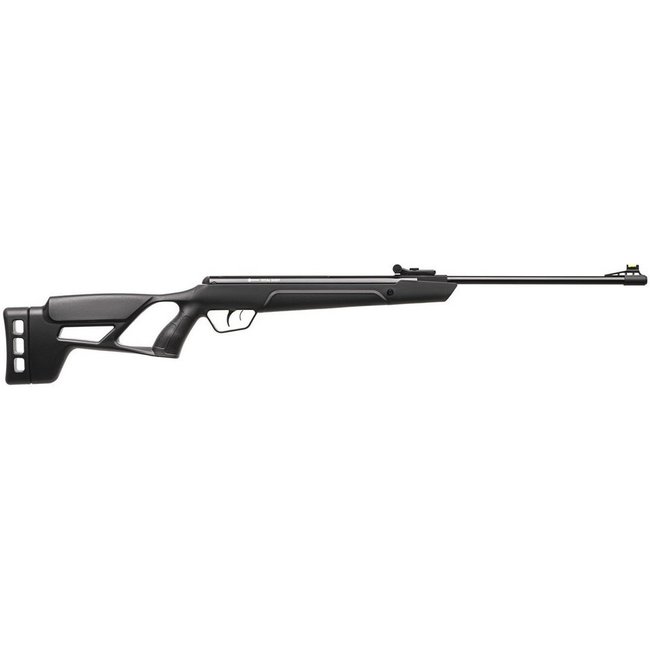
Gas piston systems use a sealed nitrogen-filled cylinder instead of a coiled steel spring. This sealed unit contains pressurized inert gas, a piston rod, and high-quality seals. The simplicity of this design means fewer moving parts, less friction, and reduced wear compared to spring-piston mechanisms.
Most gas piston problems stem from four sources: seal degradation, improper maintenance practices, scope mounting issues, or user technique errors rather than actual powerplant failures. The gas ram itself rarely fails—typically lasting 20,000-30,000 shots or more before requiring service.
Problem 1: Velocity Loss or Inconsistent Power
Symptoms:
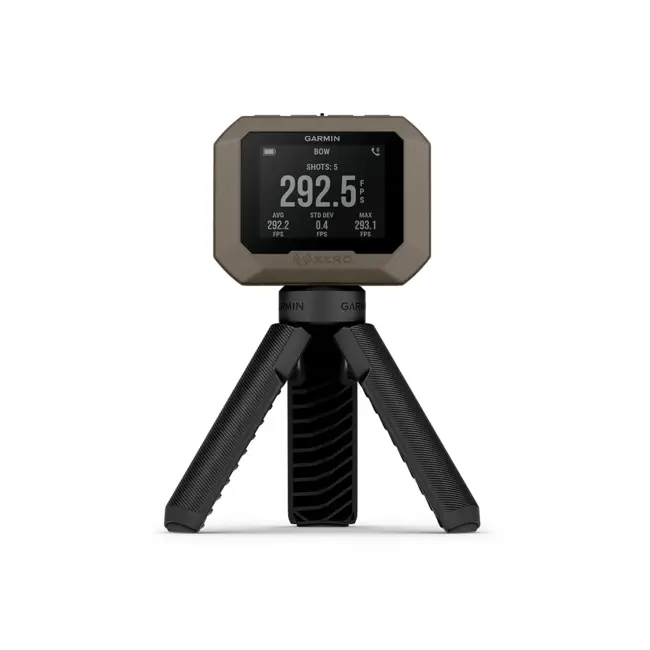
- Chronograph readings show significantly lower velocity than manufacturer specifications
- Shot-to-shot velocity variations exceed 20-30 fps
- Pellets don't impact with expected force
- Noticeable reduction in power compared to when rifle was new
Diagnosis Steps
Step 1: Verify Your Baseline Before assuming your rifle has problems, confirm the expected velocity. Manufacturer specifications typically represent maximum velocity with the lightest pellets. Using heavier hunting pellets will naturally produce lower velocities—this is normal and expected.
Check your chronograph readings against realistic expectations. A .22 caliber rifle rated at 900 fps with lightweight pellets might only achieve 750-800 fps with quality hunting pellets weighing 14-15 grains.
Step 2: Check for Seal Leakage Gas piston systems maintain pressure through high-quality seals at both ends of the cylinder. Seal degradation allows nitrogen to escape, reducing pressure and power.
Test procedure:
- Cock the rifle and listen for any hissing sounds
- Feel for air escaping near the compression chamber
- Observe whether the rifle becomes easier to cock over time (indicating pressure loss)
- Check if the rifle loses power gradually over shooting sessions
Step 3: Inspect Pellet Fit Undersized pellets allow air to bypass around the projectile, wasting energy and reducing velocity. Oversized pellets create excessive friction.
Test procedure:
- Try several different pellet brands and head sizes
- Proper pellet fit requires gentle thumb pressure to seat fully in the breech
- The pellet should grip the rifling when loaded but not require excessive force
Solutions for Velocity Loss
Solution 1: Pellet Optimization Switch to quality pellets sized appropriately for your barrel. Many velocity problems disappear simply by finding pellets that seal properly. Popular choices include:
- JSB pellets (available in multiple head sizes)
- H&N pellets (German precision manufacturing)
- Crosman Premier pellets (excellent value and consistency)
Solution 2: Barrel Cleaning Lead buildup in the barrel increases friction and reduces velocity. Clean your barrel every 300-500 shots:
- Use a brass or nylon bore brush (never steel)
- Apply airgun-specific cleaning solution
- Push patches through until they come out clean
- Apply a very light coat of gun oil
- Run dry patches until clean
Solution 3: Professional Service If velocity loss persists after pellet optimization and cleaning, the gas ram may need recharging or seal replacement. Contact the manufacturer or a qualified airgun technician. Most gas rams can be recharged, though the cost approaches 50-60% of a new powerplant.
Prevention:
- Store rifle with barrel closed (never leave cocked)
- Avoid dry-firing (always shoot with a pellet loaded)
- Use proper artillery hold technique to minimize stress on seals
- Keep the rifle clean and free from debris
Problem 2: Difficult or Excessively Easy Cocking
Symptoms:
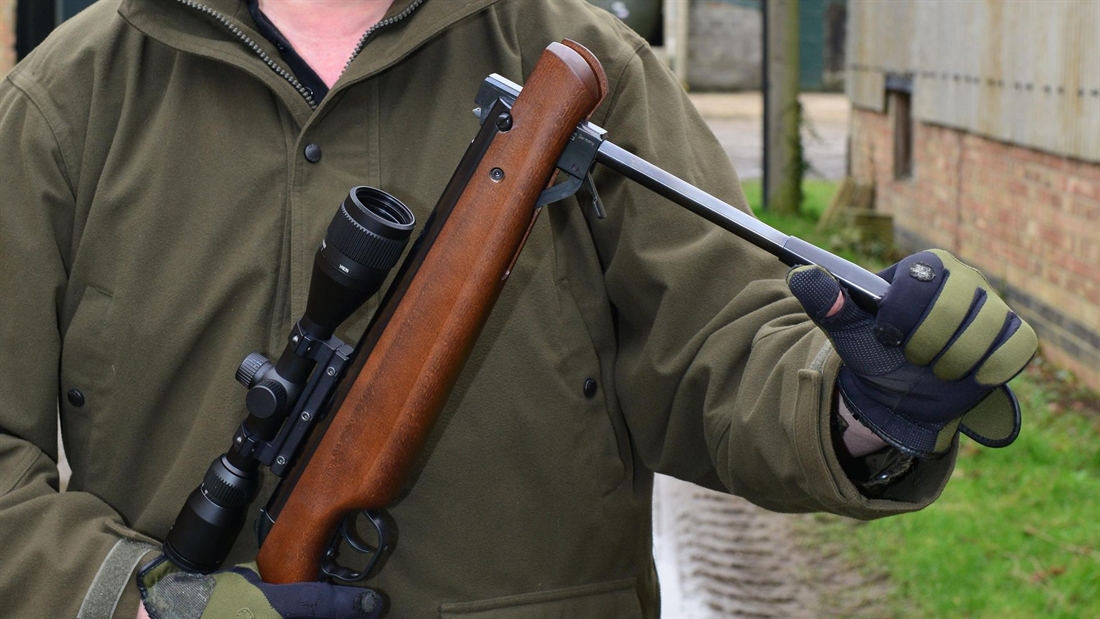
- Cocking force suddenly increases significantly
- Rifle becomes much easier to cock than normal
- Inconsistent cocking resistance (varies between shots)
- Unusual sounds during cocking
Diagnosis Steps
Increased Cocking Effort: If your rifle suddenly requires significantly more force to cock, check for:
- Pivot bolt tightness (overtightened pivot bolts bind the barrel)
- Debris in the hinge mechanism
- Dried lubricant causing friction
- Bent or damaged cocking linkage
Decreased Cocking Effort: Dramatically reduced cocking force usually indicates:
- Seal failure (nitrogen pressure escaped)
- Broken internal components
- Piston rod damage
Solutions
For Excessive Cocking Force:
Solution 1: Adjust Pivot Bolt Tension The barrel pivot bolt should be tight enough to eliminate wobble but not so tight that it binds barrel movement.
Adjustment procedure:
- Locate the pivot bolt (usually underneath the muzzle area)
- Loosen slightly (1/4 turn at a time)
- Test cocking smoothness
- Tighten just until barrel wobble disappears
- Apply thread locker to prevent loosening
Solution 2: Clean and Lubricate Pivot Points Remove the stock and apply airgun-appropriate grease to:
- Barrel pivot point
- Cocking lever pivot
- Trigger linkage points
Use moly grease or similar products designed for airguns. Avoid WD-40 or penetrating oils that attract dirt.
For Reduced Cocking Force: Unfortunately, dramatically reduced cocking effort typically indicates gas ram failure requiring professional service or replacement. This isn't user-serviceable and requires factory or qualified technician intervention.
Problem 3: Accuracy Degradation
Symptoms:
- Groups opening up compared to previous performance
- Random fliers that can't be explained by wind or technique
- Shift in point of impact without scope adjustment
- Inconsistent shot placement despite proper technique
Diagnosis Steps
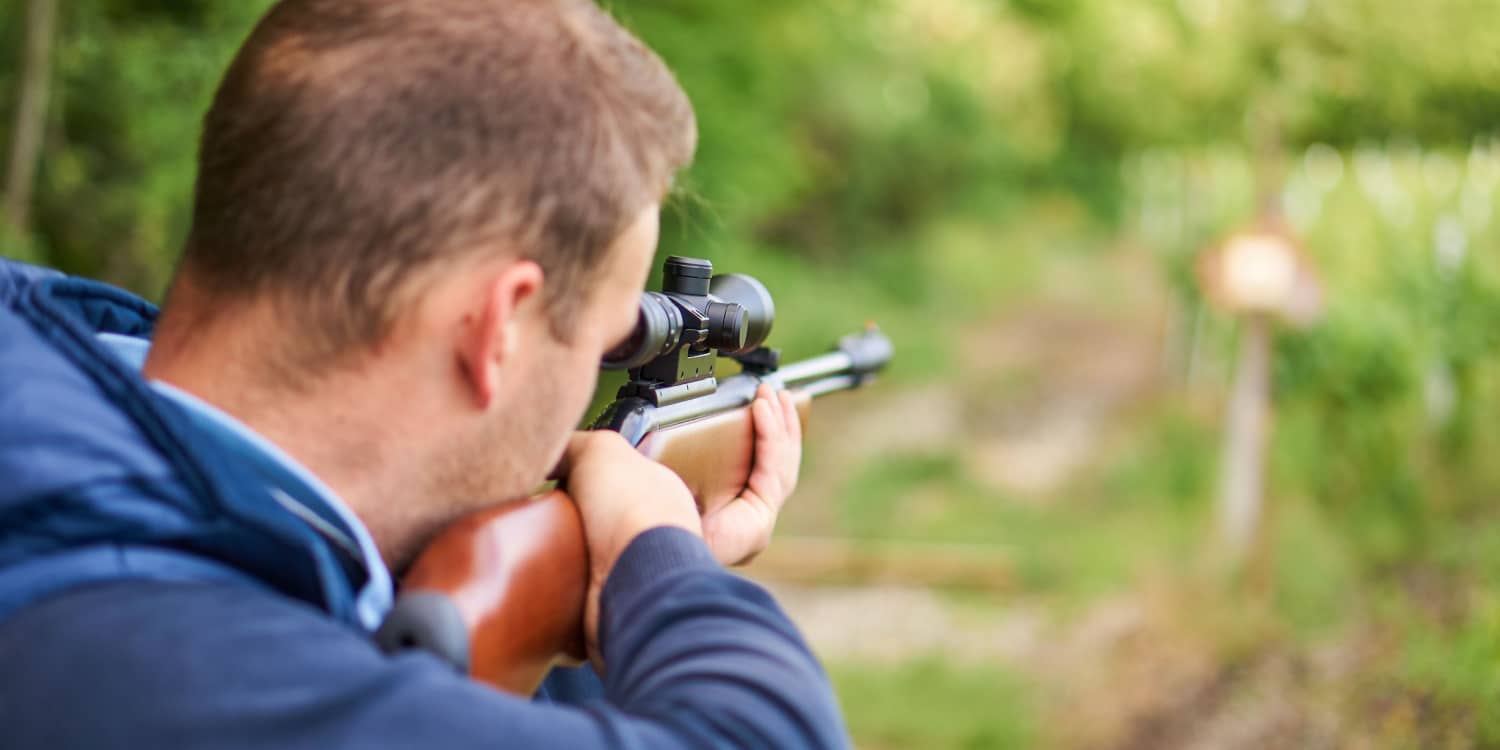
Step 1: Eliminate User Error Before assuming mechanical problems, verify proper shooting technique:
- Artillery hold being used correctly?
- Consistent cheek weld and eye relief?
- Quality pellets being used?
- Shooting from stable position?
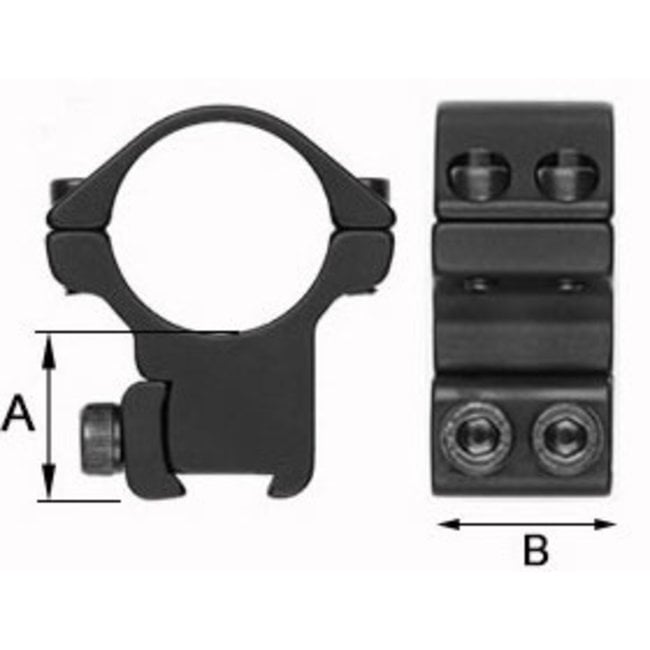
Step 2: Check Scope Mounting Air rifle recoil is uniquely challenging for scopes. Check:
- Mount screws tightness (should be snug but not overtightened)
- Scope ring alignment (misaligned rings stress scope tube)
- Scope base security (base must be firmly attached to receiver)
- Look for visible scope movement or ring marks on scope tube
Step 3: Inspect Barrel and Crown Examine:
- Crown (muzzle end) for dings, burrs, or damage
- Barrel for obvious bends or damage
- Breech seal condition and alignment
- Overall cleanliness
Solutions for Accuracy Problems
Solution 1: Proper Scope Mounting Air rifles require scope mounting systems designed for their unique recoil:
- Remove scope and rings completely
- Clean all mounting surfaces with degreasing agent
- Install high-quality airgun-rated mounts (look for "stops" that prevent scope creep)
- Mount scope ensuring proper eye relief
- Tighten ring screws gradually in X-pattern to proper torque (typically 15-20 inch-pounds)
- Apply thread locker to prevent loosening
Solution 2: Barrel Break-In New barrels often require 100-200 shots to "break in" and achieve peak accuracy. During this period:
- Groups may be larger than expected
- Cleaning is required more frequently
- Different pellets may perform better at different stages
Solution 3: Pellet Testing Every rifle has pellet preferences. Test 5-shot groups at 25 meters with various pellets:
- Start with premium brands (JSB, H&N, Air Arms)
- Try different weights within your caliber
- Test at least 3-5 different pellets before concluding accuracy problems
- Keep detailed records of what works
Solution 4: Stock Screw Tension Action screws (stock mounting bolts) should be snug but not overtightened:
- Remove stock screws
- Clean threads and apply very light grease
- Reinstall and tighten until snug
- Shoot test group
- If accuracy improves, tension was the issue
Prevention:
- Use quality airgun-rated scope mounts
- Check mount tightness every 500 shots
- Clean barrel regularly
- Practice proper artillery hold technique
- Store rifle properly to avoid impact damage
Problem 4: Unusual Noises During Firing
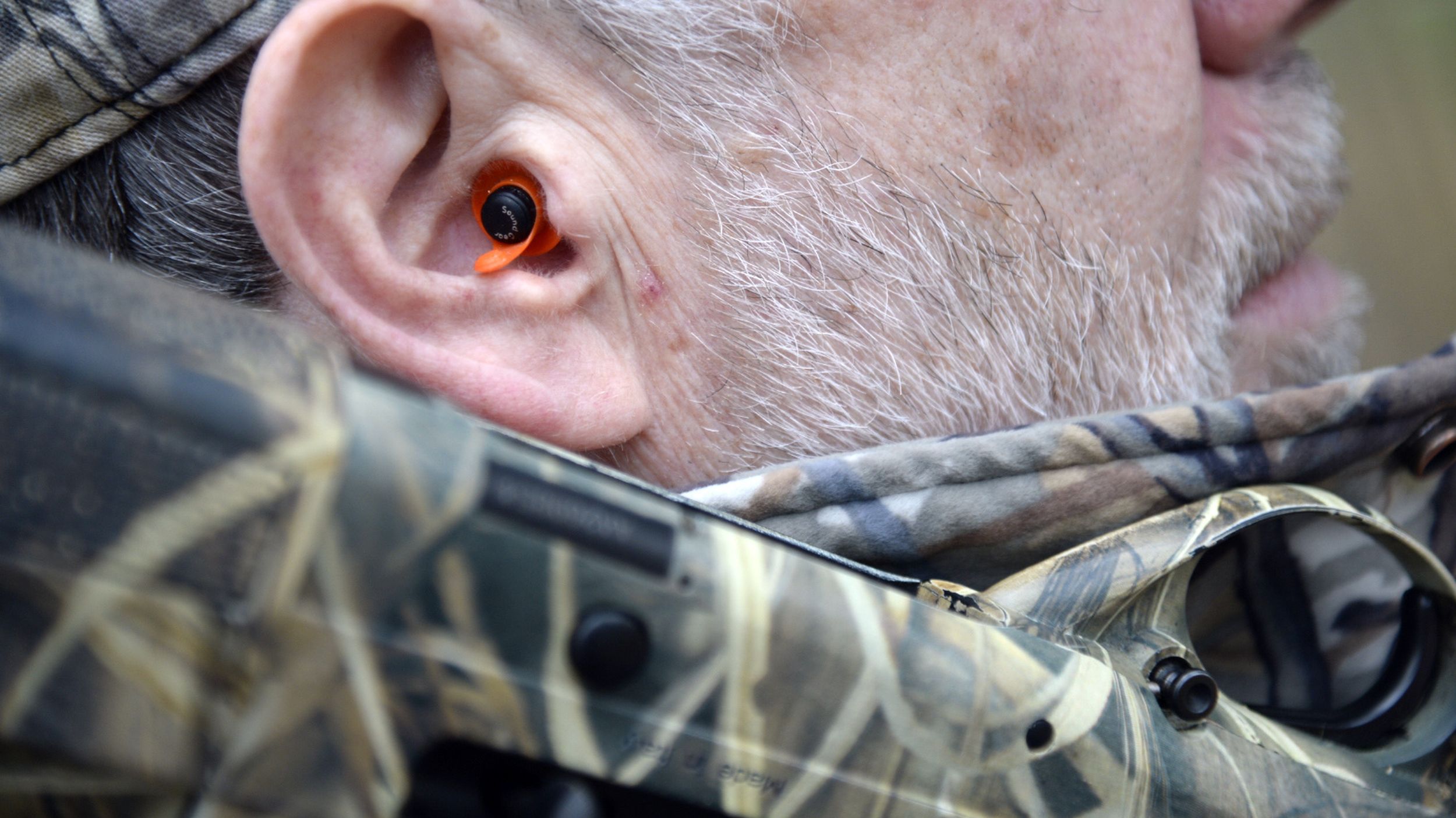
Symptoms:
- New sounds that weren't present when rifle was new
- Rattling, pinging, or buzzing sounds
- Metallic scraping sounds
- Loud "twang" similar to spring rifles
Diagnosis and Solutions
Sound: Rattling or BuzzingCause: Loose stock screws or scope mount screws Solution: Tighten all mounting hardware. Check stock screws, scope ring screws, and trigger guard screws.
Sound: Metallic ScrapingCause: Cocking linkage needs lubrication or adjustment Solution: Disassemble (if comfortable) and apply appropriate lubricant to pivot points and linkage connections.
Sound: Loud Twang (Spring-Like Sound)Cause: Compressed air escaping past breech seal or loose internal components Solution:
- Check breech seal condition
- Ensure barrel locks up tight when closed
- Inspect barrel pivot for excessive wear
- May require professional service if internal components loose
Sound: Hissing After ShotCause: Breech seal deterioration or improper seating Solution: Replace breech seal (inexpensive and user-serviceable on most models). Breech seals cost $5-15 and can be replaced in 10-15 minutes.
Problem 5: Cocking or Loading Difficulties
Symptoms:
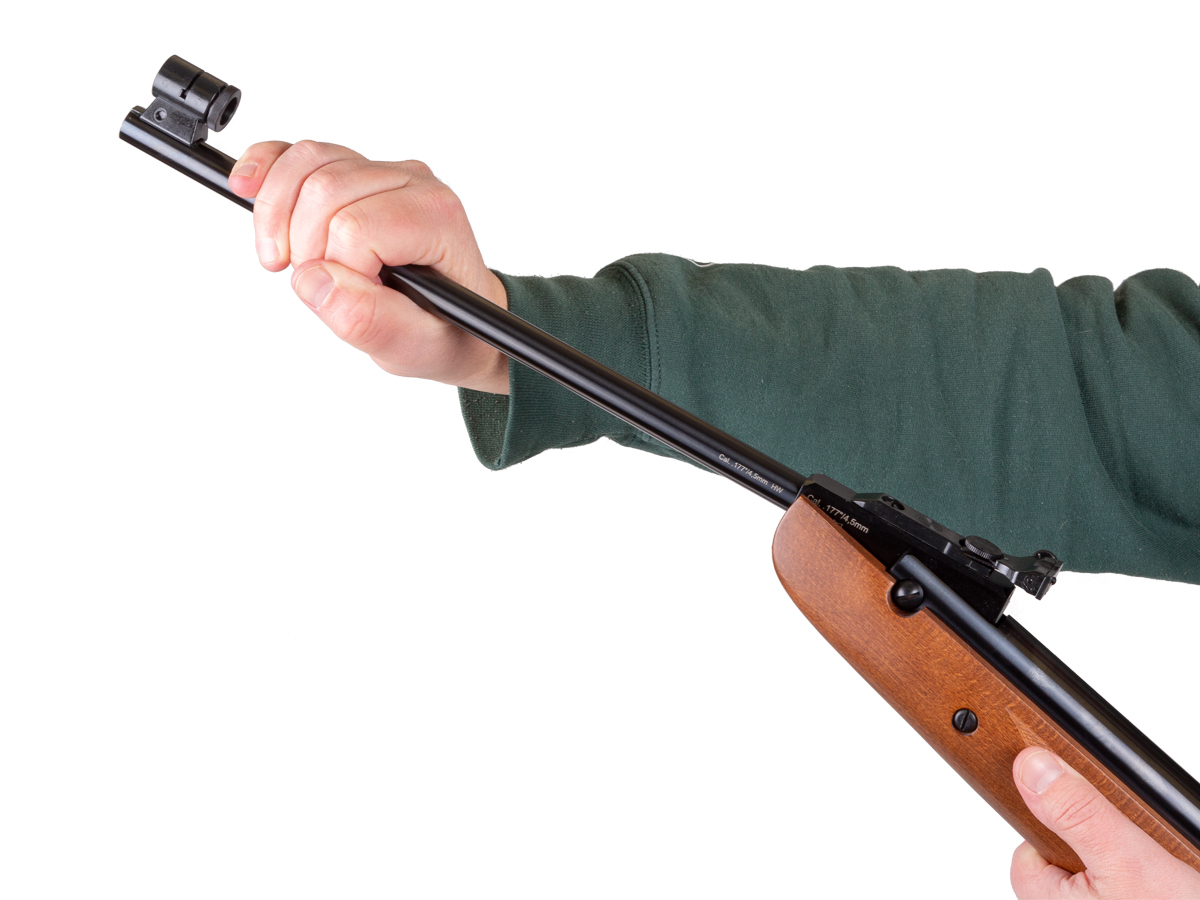
- Barrel won't break open fully
- Barrel difficult to close after loading pellet
- Cocking lever feels stuck or binds
- Barrel doesn't lock securely when closed
Solutions
Barrel Won't Open:
- Ensure rifle is pointed in safe direction
- Check that barrel detent/latch is releasing properly
- Clean and lubricate barrel latch mechanism
- May need slight pressure to overcome initial resistance if gun hasn't been shot recently
Barrel Won't Close:
- Verify pellet is seated properly (not jammed at angle)
- Check for debris in breech area
- Ensure cocking lever is fully engaged
- Inspect barrel pivot pin for damage or wear
Barrel Doesn't Lock:
- Examine barrel latch and corresponding notch in barrel
- Clean both surfaces thoroughly
- Check for wear or damage requiring replacement
- Ensure proper alignment when closing
Problem 6: Trigger Issues

Symptoms:
- Trigger pull became excessively heavy
- Trigger feels gritty or rough
- Two-stage trigger lost crisp second stage
- Trigger won't reset properly
Solutions
Heavy Trigger Pull: Many air rifles have adjustable triggers. Consult your manual for adjustment procedures. If not adjustable:
- Remove trigger assembly (with rifle unloaded)
- Clean thoroughly with degreaser
- Apply very light trigger-specific lubricant to sear surfaces
- Reassemble and test (with rifle unloaded initially)
Gritty Feel: Dirt, debris, or dried lubricant causes grittiness:
- Spray trigger mechanism with contact cleaner
- Work trigger through cycles to flush debris
- Apply minimal high-quality gun oil
- Excessive oil attracts dirt—less is more
Important: Never attempt trigger adjustments beyond manufacturer specifications. Improper trigger work can create dangerous conditions. When in doubt, consult a qualified gunsmith.
When to Seek Professional Service
While many issues can be resolved at home, certain problems require professional attention:
Seek professional help if:
- Gas ram needs recharging (requires specialized equipment)
- Velocity loss persists after pellet optimization and cleaning
- Internal damage suspected
- Trigger adjustment beyond your comfort level
- Barrel or receiver damage
- Consistent accuracy problems despite all troubleshooting
Most manufacturers offer repair services, or you can contact qualified airgun technicians. Repair costs typically range from $75-150 depending on the issue.
Preventive Maintenance Schedule
The best solution to problems is preventing them:
After Every Shooting Session:
- Wipe down exterior to remove dirt and moisture
- Clean barrel if shooting more than 50 rounds
- Check scope mount tightness visually
Monthly (or Every 500 Shots):
- Thoroughly clean barrel
- Check and tighten all mounting screws
- Inspect breech seal condition
- Apply lubricant to pivot points
Annually:
- Deep clean all accessible mechanisms
- Replace breech seal if showing wear
- Professional tune-up if rifle sees heavy use
- Inspect scope for internal damage
Storage Best Practices:
- Store uncocked with barrel closed
- Keep in dry environment (40-70% humidity ideal)
- Avoid extreme temperature storage locations
- Store away from children with appropriate safety measures
Why Choose Gas Piston Rifles from Airgun Source Canada
Ournitro gas piston rifle collection features over 50 models from trusted manufacturers including Crosman, Gamo, Benjamin, Umarex, and Hatsan. We select rifles with proven reliability records and provide comprehensive customer support to help you troubleshoot any issues that arise.
Benefits of buying from us:
- Expert staff who can troubleshoot over phone or email
- Access to replacement parts and accessories
- 20+ years experience supporting Canadian airgunners
- Comprehensive selection ensuring you get the right rifle initially
- Priority shipping across Canada
Conclusion: Keeping Your Nitro Piston Rifle Running Strong
Nitro gas piston rifles offer exceptional reliability compared to traditional spring-piston designs, but understanding common issues and their solutions ensures decades of trouble-free performance. Most problems have simple fixes—proper pellet selection, correct scope mounting, regular cleaning, and appropriate shooting technique resolve 90% of complaints.
When mechanical issues do arise, systematic troubleshooting identifies the cause quickly. Many fixes require only basic tools and minimal mechanical aptitude. For more complex problems, professional service restores your rifle to factory performance.
Remember: an ounce of prevention beats a pound of cure. Following proper maintenance schedules, using quality pellets, and shooting with correct technique prevents most problems before they start.
Need help troubleshooting your gas piston rifle? Our experienced team is here to assist. Call 1-800-565-9527 or email [email protected] with your rifle model and issue description. We'll help you diagnose the problem and recommend solutions.
Ready to experience the reliability of modern gas piston technology? Browse our completenitro gas piston rifle collection featuring the latest models from leading manufacturers. With proper care and maintenance, these rifles deliver consistent performance for years to come.


