
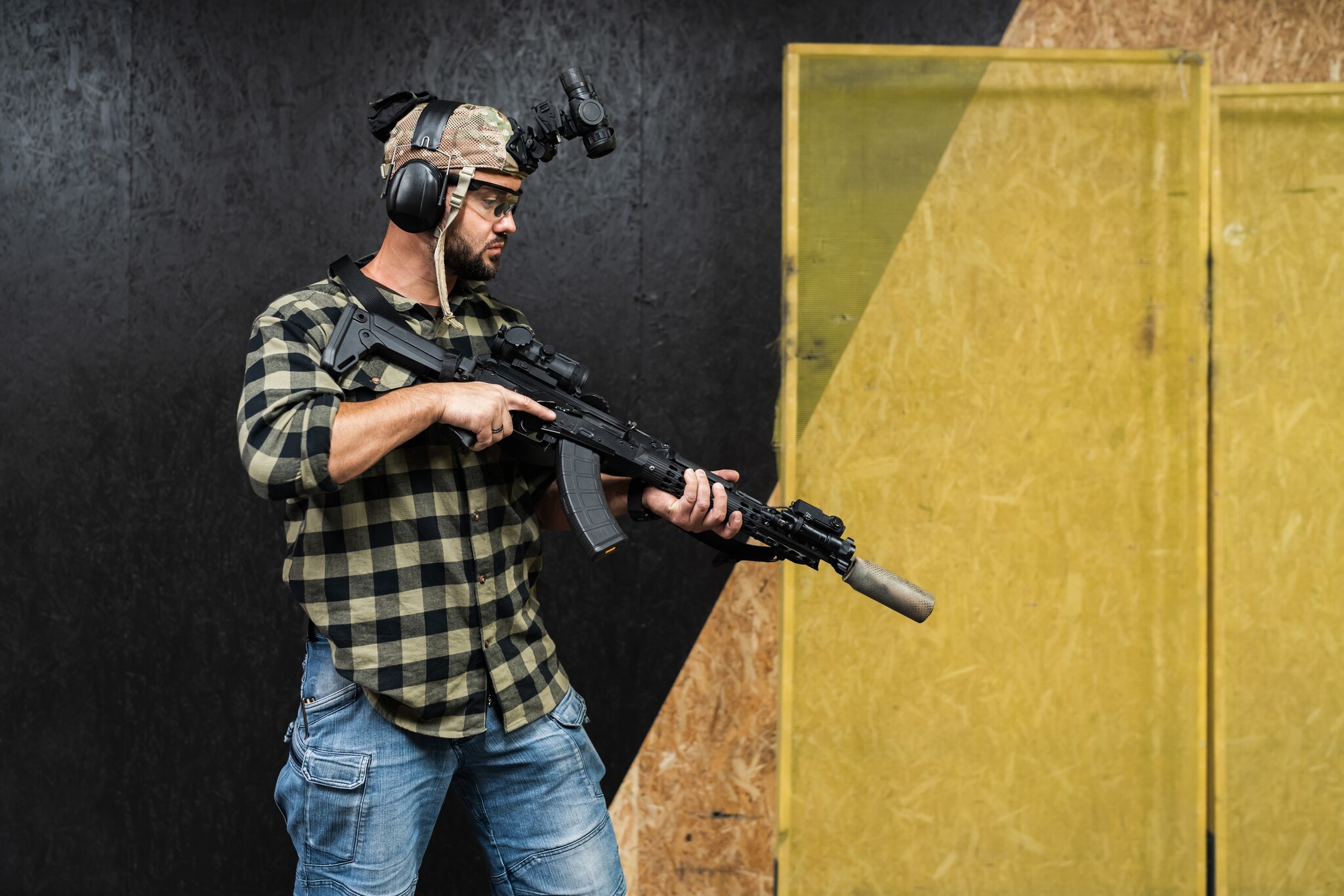
Building Your First Self-Defense Training Kit: Essential Gear Beyond the Launcher
Why your first defense training kit should go beyond the launcher
A launcher (whether it’s a less-lethal launcher, a training marker, or a defensive platform that fires practice projectiles) is only one part of getting competent. Real capability comes from repetition, safe handling habits, realistic drills, and a setup that lets you practice consistently.
If you’re shopping for self defense training Canada, you’ll notice a wide range of options—from simple targets to full paintball training gear loadouts and defense launcher accessories. The right “starter kit” isn’t the most expensive one; it’s the one that helps you train the fundamentals: safe storage and handling, readiness, accuracy, decision-making, and accountability.
This guide breaks down a practical defense training kit built for Canadian buyers, with an emphasis on less lethal training and a realistic home defense training setup. You’ll also find a training gear checklist at the end so you can price it out and build it in phases.
Start with the goal: what are you training for?
Before you buy gear, decide what “success” looks like. Your kit should match your likely use case, your space, and your comfort level.
- Home defense readiness: safe staging, calling for help, verbal commands, light use, movement in hallways, and accuracy at short distances.
- Skill-building with less-lethal tools: consistent shot placement, managing adrenaline, reloads, and avoiding over-commitment.
- Practice for families/roommates: communication, safe rooms, and role-based drills (who calls 911, who gathers kids, who locks doors).
- Force-on-target training: training projectiles and gear that allow realistic practice without damage to your home.
If you live in a condo or a tight urban space, your home defense equipment and training plan should prioritize containment (backstops, safe angles) and noise/light considerations. If you have a basement or a garage, you can build a more robust lane with a larger target array and dedicated storage.
Safety first: what you need before you run any drills
Good training isn’t “brave.” It’s controlled and repeatable. The foundation of self defense practice gear is safety equipment that reduces risk to near-zero.
1) Eye protection (non-negotiable)
For any projectile-based training—especially paintball training gear and training markers—quality eye protection is essential. Choose impact-rated eye protection that seals well and won’t shift during movement. Comfort matters: if it fogs badly or pinches, you’ll avoid training.
- Look for secure fit and anti-fog performance.
- Have a spare set for a training partner.
2) Hand protection and basic protective padding
Even when you’re doing less lethal training with practice rounds, hands take the most abuse—loading, manipulating magazines, and working around door frames or barricades. Light gloves can improve grip and protect knuckles. If you’re running more dynamic drills, consider forearm/elbow and knee protection.
3) Hearing protection (situational, but often smart)
Many training launchers/markers aren’t as loud as firearms, but indoor use can still be sharp and fatiguing. If you train in a garage or basement, simple ear protection helps you stay focused longer.
4) A dedicated training area and a safety protocol
Your best “equipment” is process. Establish rules and keep them consistent:
- No live defensive aerosols or non-training rounds in the training area during practice.
- Use a clear start/stop command for drills.
- Choose one direction as the safe firing direction and do not break that plane.
- End every session with a deliberate unload/verify routine.
The core components of a first defense training kit
Below are the pieces that most new owners wish they had purchased sooner. You can build this as a budget kit or a more complete home defense training setup.
1) Targets you can learn from (not just shoot at)
Targets are where training becomes measurable. Good targets let you track progress: accuracy, speed, and consistency. For indoor or garage setups, pick targets that work with your backstop and don’t create excessive mess.
Start with a mix:
- High-contrast bullseye targets for zeroing and fundamentals.
- Silhouette-style targets to practice realistic shot placement and accountability.
- Small aim points (dots or squares) to improve precision and trigger/launch control.
- If you’re building a kit from one place, it’s convenient to browse a dedicated target selection. You can see options here: Targets.
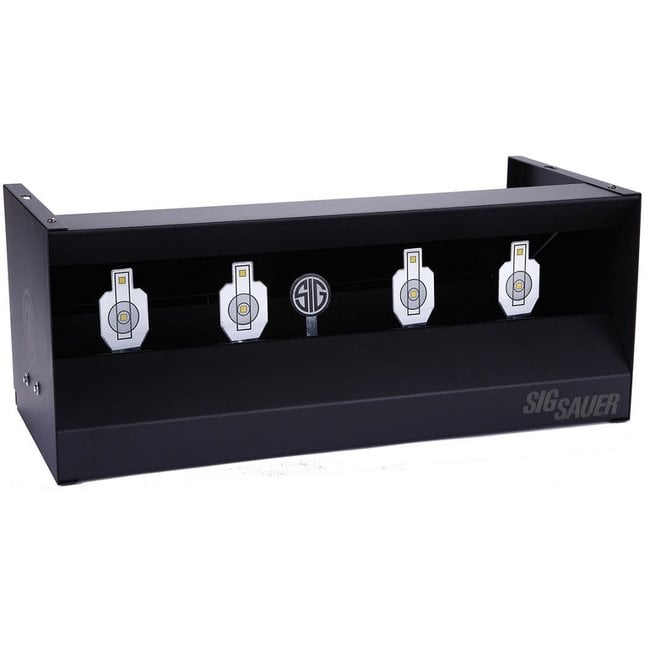
2) A backstop or pellet trap equivalent for your training projectiles
Targets are only half the equation. You need safe containment. The right backstop depends on the projectile type and your environment. For many training setups, a layered system works best:
- Primary trap/backstop: captures most impacts and protects walls.
- Secondary barrier: a heavy blanket, rubber mat, or additional layer behind the trap as insurance.
- Floor protection: something that makes cleanup easy and prevents bounce/roll hazards.
When in doubt, overbuild. “It should be fine” is not a safety plan.
3) Extra magazines and a loading plan
Reload practice is a huge part of real-world readiness, and it’s hard to train reloads without spare magazines. For many platforms, a couple of extra magazines is the difference between a frustrating session and a productive one.
What to look for:
- Reliability: feeding issues ruin training and mask real performance.
- Consistency: same mag model reduces variables.
- Capacity strategy: use realistic load counts for drills (not always “full”).
To compare options for compatible magazines, use a collection like this: Self Defense Magazines.
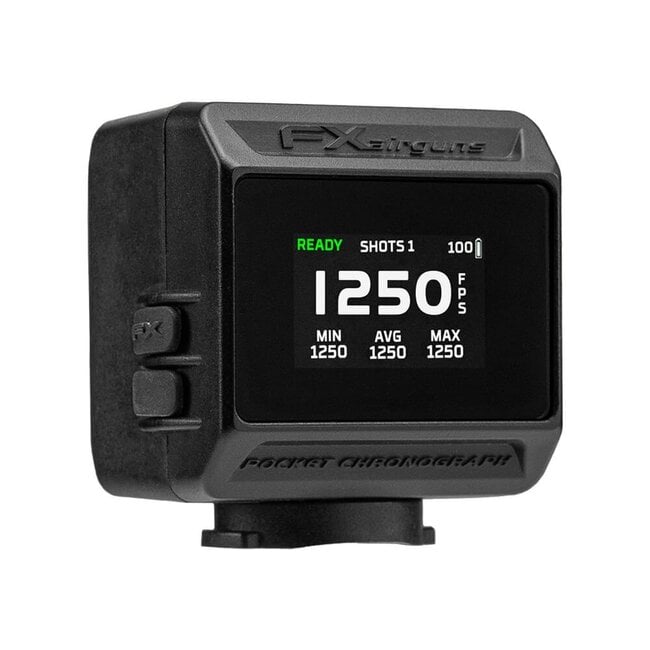
4) A way to measure performance: a chronograph (optional, but highly useful)
If you’re serious about less lethal training or want consistency from your training marker/launcher, a chronograph helps you remove guesswork. It can confirm:
- Whether your platform is operating consistently session to session.
- How temperature and CO2/air pressure changes affect performance.
- Whether different practice rounds behave differently.
This is particularly useful when you’re building training equipment Canada buyers can rely on in different seasons. For options, see: Chronographs.
5) Defensive aerosol training: practice the tool you actually carry
Many people include defensive aerosols in their home defense equipment because they’re accessible and simple. But “simple” doesn’t mean “automatic.” You can and should practice:
- Access: where it’s staged and how you retrieve it.
- Orientation: can you index the nozzle correctly under stress?
- Distance and angle management: where you stand, how you move, and when you disengage.
- After-action: leaving the area, closing doors, and calling for help.
For Canadian shoppers putting together a full defense training kit, browsing aerosol options and related items can help you plan staging and storage: Defense Aerosols.
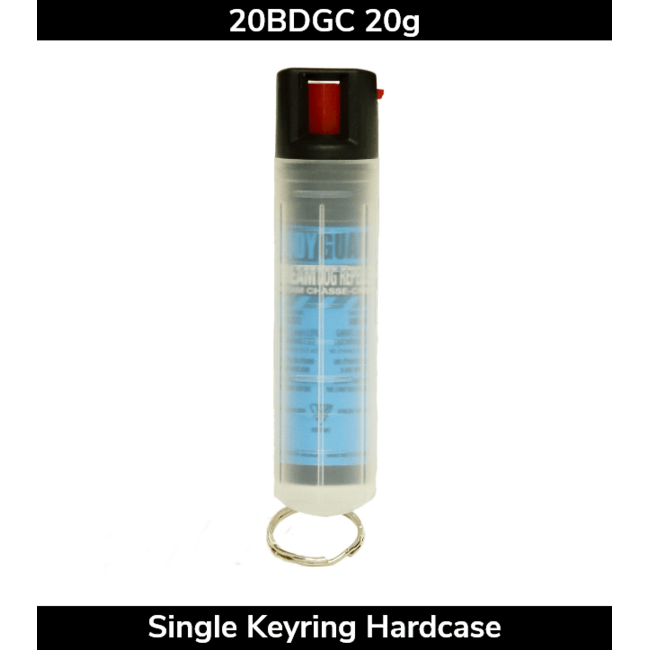
Important: follow local laws and product guidance, and do not discharge aerosols indoors as “practice.” Training here is about safe handling, presentation, and scenario rehearsal, not filling your home with irritant.
6) Illumination: handheld light and (optionally) a weapon-mounted light
Most home defense situations happen in low light. If you can’t see clearly, you can’t make good decisions. A compact handheld flashlight is a great first purchase because it’s useful outside training as well.
- Handheld light: practice searching, identifying, and communicating.
- Weapon/launcher-mounted light (if appropriate): faster target identification, but requires discipline to avoid pointing the tool at anything you haven’t identified.
Even if you don’t buy a mounted light immediately, you can train light techniques with a handheld and learn where shadows and glare appear in your own home.
7) Carry and retention: sling or holster-style solutions (platform dependent)
Training often falls apart when you have nowhere safe to put the tool. A sling for longer platforms or a retention solution for compact platforms improves safety and realism during:
- Opening doors
- Using a phone
- Guiding family members
- Transitioning to aerosol/flashlight
The goal is not “tactical cosplay.” It’s preventing drops, keeping hands free when needed, and safely controlling the platform during movement.
8) A training bag and organized storage
A simple bag or bin system matters more than most people expect. If your gear is disorganized, your training sessions become shorter and less frequent. Build a repeatable “grab and train” system:
- Eye protection
- Practice rounds
- Magazines and a loader if required
- Targets and tape/markers
- Flashlight and spare batteries
- Basic tools (as needed for your platform)
Good storage is also part of responsible ownership—especially if you have children or frequent visitors.
Defense launcher accessories that actually improve training
It’s easy to overspend on add-ons that look impressive but don’t improve performance. When you’re evaluating defense launcher accessories, prioritize anything that increases repeatability, reduces malfunctions, or makes your setup safer.
Optics: keep it simple
For close-range training, a simple sighting system is often best. A basic optic or iron sight setup that holds zero and is easy to pick up in low light can speed learning. Avoid complicated optics until your fundamentals are solid.
Spare magazines and magazine pouches
Extra magazines are the accessory that most directly impacts training value. Add pouches when you’re ready to run timed drills or movement drills, because you’ll need consistent placement and retention.
Marking/training projectiles and “dry practice” options
Some of the best training happens with no shots fired. If your platform allows safe “dry” manipulation, focus on:
- Presentation from storage
- Safe indexing and muzzle discipline
- Reload mechanics
- Malfunction clearance motions (if applicable)
Then confirm with live practice rounds on the range lane/backstop you’ve built.
Maintenance essentials
Reliability is a training feature. If your tool fails constantly, you’ll train less. Keep simple maintenance supplies on hand so you can fix minor issues quickly and avoid “mystery problems” that derail sessions.
Building a home defense training setup in Canadian homes (realistic and safe)
A good home defense training setup fits your space and your life. Here are practical approaches that work in typical Canadian houses, townhomes, and apartments.
Basement lane setup (best all-around)
- One safe direction with a robust backstop
- Measured distances (for example, 3–7 meters equivalent practice)
- Target stand and a small “tool table” for magazines and timer/phone
- Good lighting (overhead plus a dedicated lamp)
This setup supports accuracy work, reloads, and basic movement without disturbing the rest of the household.
Garage setup (space-efficient, easy cleanup)
- Portable backstop
- Targets you can swap quickly
- Floor covering for easy pickup
Garages can be colder, so consistency tools like a chronograph can help you understand how performance changes in winter.
Apartment/condo training (low-impact focus)
If you can’t run projectiles safely, you can still build valuable skills:
- Dry practice with strict safety rules
- Flashlight and verbal command drills
- Staging and access practice from realistic locations
- Scenario walk-throughs: safe room, calling for help, door management
For many people, this is the most responsible starting point.
What “less lethal training” should emphasize (and what it shouldn’t)
Less-lethal tools can be part of a defense plan, but they don’t replace judgment and de-escalation. In training, emphasize:
- Identification: confirming what’s happening before you act.
- Communication: clear commands and disengagement.
- Accuracy and accountability: hitting what you intend to hit at realistic distances.
- Transitions: moving to a safer position, using light, using phone, locking doors.
- After-action: stopping when the threat stops, creating distance, and calling authorities.
Avoid “movie training” where you chase someone through rooms. A defensible plan for most people is to secure loved ones, hold a position of advantage, and get help.
Choosing paintball training gear vs. dedicated training projectiles
Many Canadians start with paintball training gear because it offers immediate feedback (you can see hits) and encourages realistic practice. Whether paintball-style training is right for you depends on where and how you can train.
Paintball-style training: strengths
- Visible impacts: easier to evaluate under stress.
- Dynamic drills: works well with a partner (with strict safety gear).
- Higher repetition: more shots per session is common.
Paintball-style training: trade-offs
- Mess/cleanup: requires a controlled area.
- Protective gear needs: eye/face protection is mandatory; more padding may be wise.
- Space constraints: not ideal for condos or small interiors.
Dedicated practice rounds: strengths and trade-offs
Depending on the platform, dedicated practice rounds can be cleaner and easier to manage in a home lane—but may provide less “hit visibility” than paint. Many users end up with a hybrid approach: paper targets for fundamentals, reactive targets for fun, and occasional marking-style sessions when the environment allows.
How to build your kit in phases (so you don’t overspend)
If you’re new, buying everything at once can lead to wasted gear. Here’s a practical step-by-step approach that fits most budgets.
Phase 1: Minimum viable training kit
- Impact-rated eye protection
- Targets and a safe backstop
- Basic cleaning/maintenance items
- One spare magazine (if available)
This phase gets you training immediately and safely.
Phase 2: Consistency and readiness
- More targets (variety)
- One or two additional magazines
- Handheld flashlight
- Storage solution (bag/bin) and labeling
Phase 3: Measurement and realism
- Chronograph
- Pouches/sling or retention solution
- Upgraded backstop or dedicated lane improvements
- Scenario props (barricade, door frame simulator, cones for movement)
Training drills that make your equipment purchase “pay off”
Gear is only valuable if it supports practice. These drills are simple, repeatable, and work well with a home lane.
Drill 1: Cold start accuracy
Run this at the start of each session to measure true ability (not warmed-up ability).
- Set a target at a realistic home distance.
- From a safe low-ready or staged position, present and fire a small number of carefully aimed shots.
- Record hits and any misses.
This drill quickly shows whether your fundamentals are improving.
Drill 2: Ready-up with verbal command
- Start with the tool staged how you actually keep it.
- On a timer or a cue word, retrieve it, identify the target, and give a clear verbal command.
- Only then engage the target (if that’s part of your plan) or disengage and move to a safer position.
This integrates decision-making—often the missing ingredient in home practice.
Drill 3: Reloads with accountability
- Load magazines with partial counts.
- Engage with a small string of shots.
- Reload smoothly while keeping awareness and safe direction.
- Finish with a deliberate unload/verify routine.
This is where spare magazines and pouches become worthwhile.
Drill 4: Low-light identification (flashlight work)
In a controlled area, practice light activation, identifying the target, and avoiding backlighting yourself in mirrors or shiny surfaces. The goal is safe identification, not speed for speed’s sake.
Common mistakes when buying first-time training gear in Canada
- Buying projectiles before buying a backstop: containment should come first.
- Skipping eye protection: especially with any paintball-style training.
- Over-indexing on power: consistency and accuracy matter more than raw output for training.
- Ignoring storage: a disorganized setup leads to less practice.
- No plan for cleanup: if cleanup is annoying, you won’t train as often.
A practical training gear checklist (printable as a shopping plan)
Use this training gear checklist to build a balanced kit. Treat it as a menu—you don’t need everything on day one.
Safety
- Impact-rated eye protection (plus a spare)
- Gloves (optional but helpful)
- Hearing protection (situational)
- Clear training-area rules and a stop command
Core training components
- Targets (bullseye, silhouette, small aim points) (Targets)
- Backstop/trap system suitable for your projectiles
- Spare magazines (Self Defense Magazines)
- Practice rounds appropriate for your platform
Performance and setup
- Chronograph (optional, highly useful) (Chronographs)
- Measuring tape and a marker for recording distances and results
- Storage bag/bin with labeled compartments
Home defense integration
- Handheld flashlight
- Retention option (sling/holster-style solution as appropriate)
- Defensive aerosol and a plan for staging and safe handling (Defense Aerosols)
Where to start shopping: keep it focused
If you want to browse by category and build a kit efficiently, a curated section that combines training, self-defense, and paintball-style items can make comparisons easier. For example, you can review options in: Self Defense/Paintball/Training.
The smartest first purchases usually aren’t glamorous: targets, magazines, safety equipment, and a backstop. Those are the items that turn ownership into real capability—and make your launcher only one component of a well-rounded defense training kit.
Final thoughts: build a kit you’ll actually use
The best self defense practice gear is the gear you can set up quickly, use safely, and measure progress with. Start small, train consistently, and add accessories only when they solve a real problem you’ve encountered in practice. That approach leads to a reliable home defense training setup—and it keeps your spending aligned with real-world results.


