
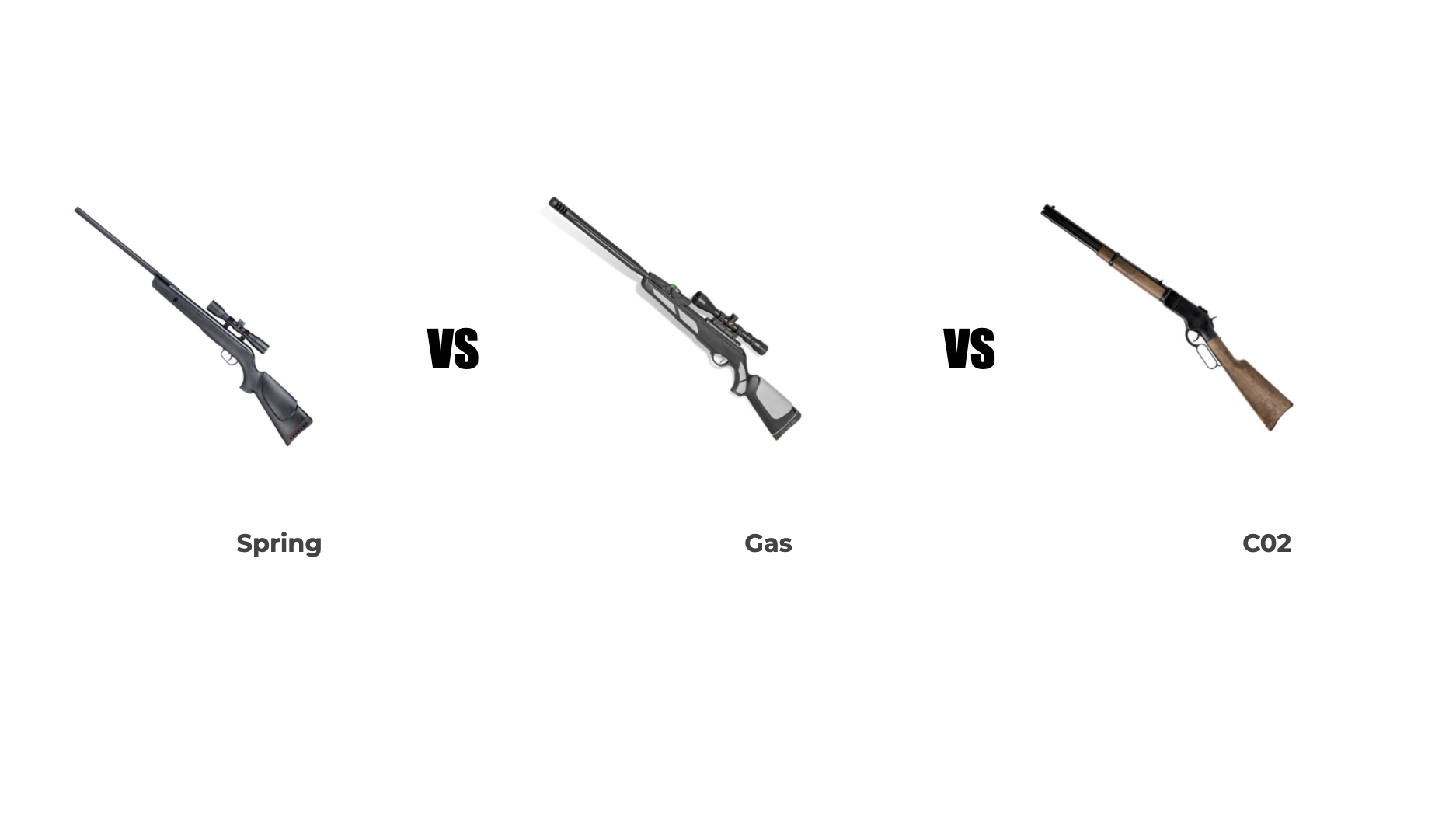
Spring Piston vs Gas Piston vs CO2: Choosing the Right Powerplant for Your First Air Rifle in Canada
If you’re shopping for your first air rifle, the most important decision you’ll make isn’t caliber or brand—it’s the powerplant. In this guide, Spring Piston vs Gas Piston vs CO2: Choosing the Right Powerplant for Your First Air Rifle in Canada, we’ll break down how each system works, what it’s like to shoot, what it costs to own in Canada, and which one is the best fit for your backyard plinking, target practice, or small pest control needs.
Along the way, you’ll see how a spring piston air rifle differs from a gas ram, why the gas piston vs spring debate matters for long-term reliability, and what to expect from a CO2 air rifle Canada buyers often choose for easy shooting. By the end, you’ll know the best air rifle powerplant for your goals—and whether a break barrel air rifle makes sense for you.
Understanding Canadian air rifle power and regulations (the 500 FPS factor)
Before comparing powerplants, it helps to understand how Canadian rules shape what many first-time buyers choose. In Canada, many people start with non-PAL options because they’re simpler to purchase and own. That often means shopping in the sub-500 FPS category (and keeping in mind that speed can vary by pellet weight and rifle setup).
If you’re specifically looking for no-license-required options, start by browsingrifles under 500 FPS. From there, you can narrow down topellet rifles if you want traditional accuracy and a wide pellet selection.
Now, let’s compare the three major powerplants you’ll see most often: spring piston, gas piston, and CO2.
Spring piston air rifles: the classic “do-it-all” starter
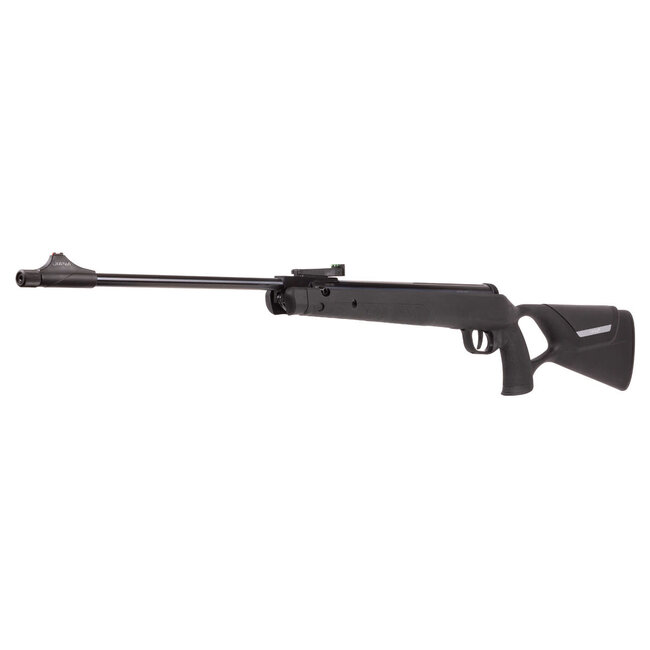
A spring piston air rifle uses a coiled steel spring and piston inside the compression chamber. When you cock the rifle (often by breaking the barrel downward on a break barrel air rifle), the spring compresses. Pull the trigger, the spring launches forward, compressing air behind the pellet and sending it downrange.
Why spring piston is popular for first-time Canadian buyers
- Self-contained: No external tanks, no cartridges—just pellets and you’re shooting.
- Great value: Springers often deliver strong performance for the price.
- Proven design: This system has been around for decades and is well-understood.
What it’s like to shoot a springer
Spring rifles have a distinct firing cycle: a forward “thump” and vibration as the spring releases. That movement is normal, but it affects accuracy if your technique is inconsistent. Many new shooters learn the “artillery hold” (a relaxed, repeatable grip) to get the best groups.
Pros and cons of spring piston
- Pros: No consumables, strong power potential, durable, lots of model options.
- Cons: More recoil/vibration than gas piston or CO2, can be harder to shoot accurately at first, cocking effort can be higher on powerful models.
If you’re leaning spring-powered, you can explore dedicated collections ofspring-action rifles to compare break barrels and other spring-driven designs.
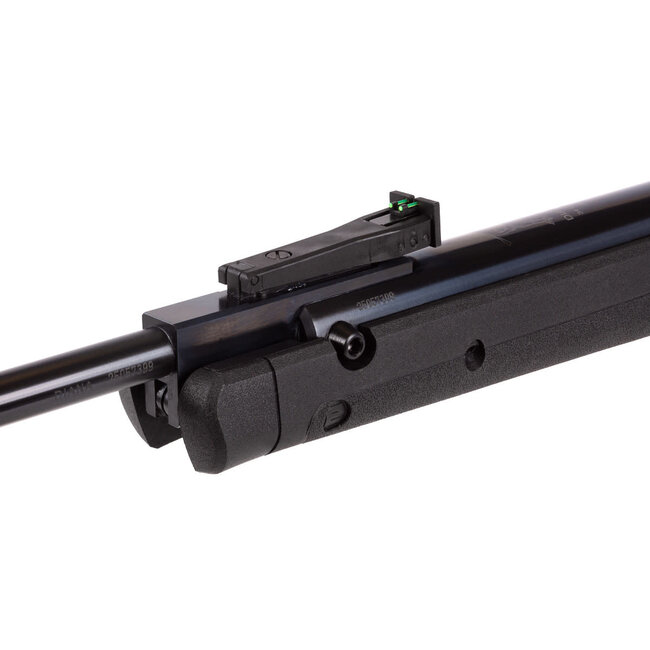
Gas piston (gas ram): smoother shooting and better consistency
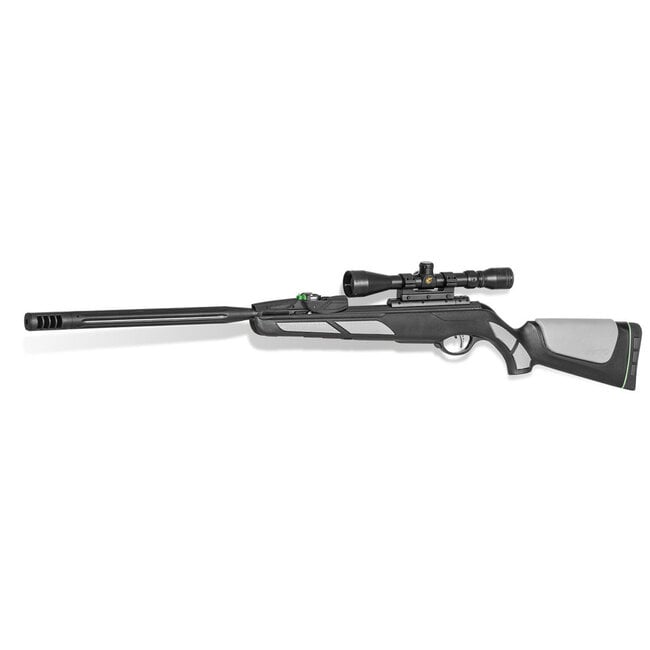
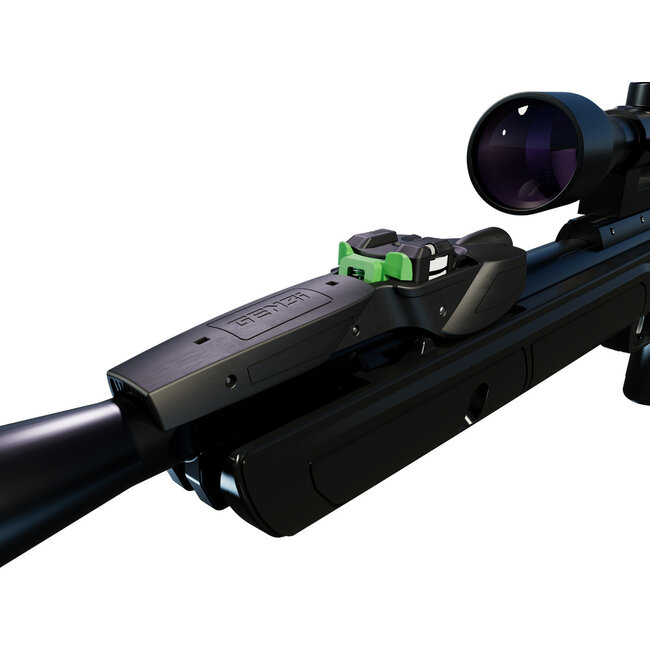
Gas piston (often called “gas ram” or “nitro piston”) replaces the steel spring with a sealed gas strut—similar in concept to a hatchback lift support, but engineered for air rifle use. You still cock the rifle (often as a break barrel air rifle), but instead of compressing a spring, you compress gas inside the strut. When fired, the gas strut drives the piston forward to compress air and propel the pellet.
Gas piston vs spring: what’s actually different?
The big differences in the gas piston vs spring discussion usually come down to shot cycle and long-term behavior:
- Smoother impulse: Gas rams tend to have less “twang” and vibration.
- Potentially better consistency: Many shooters find gas pistons feel more uniform shot-to-shot.
- Storage advantages: Gas pistons can generally be left cocked for shorter periods with less concern than springers (still not recommended as a habit, but it’s often cited as a benefit).
What it’s like to shoot a gas piston air rifle
Expect a quick, solid “snap” rather than the springy buzz some coil guns have. For new shooters, that can feel more confidence-inspiring and may shorten the learning curve. However, gas pistons are still “springer-class” in technique: they recoil, and they reward consistent form.
Pros and cons of gas piston
- Pros: Smoother shot cycle, less vibration, often quieter mechanical noise, good cold-weather resilience compared to CO2.
- Cons: Typically costs a bit more than a comparable springer, fewer DIY tuning options, gas strut replacement (if ever needed) is more specialized than swapping a spring.
If you want a self-contained rifle with a more refined feel than a traditional spring piston air rifle, gas piston is often a strong contender for the best air rifle powerplant in Canada—especially for shooters who prioritize comfort and repeatability.
CO2 air rifles in Canada: easiest shooting, but temperature matters
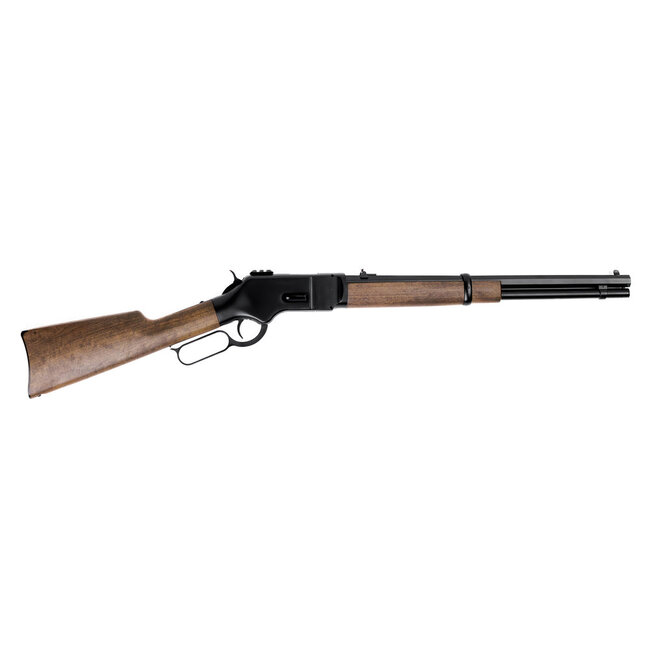
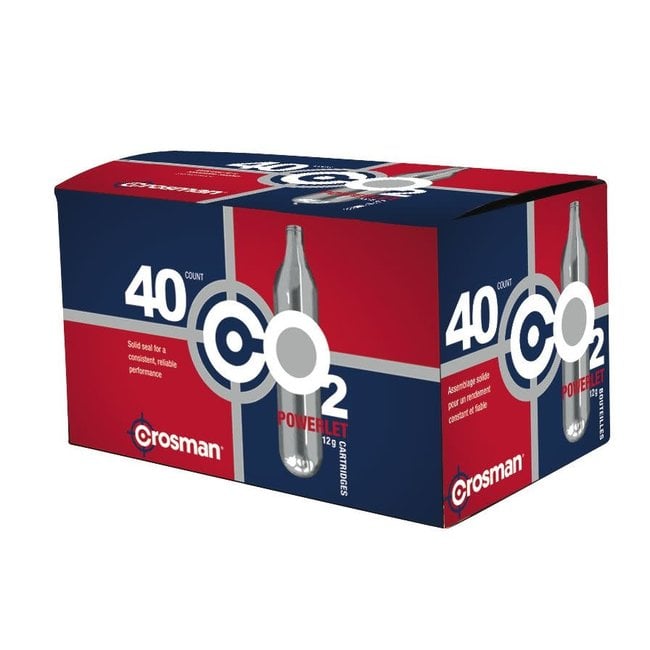
A CO2 air rifle Canada buyers choose is powered by compressed carbon dioxide stored in disposable cartridges (commonly 12g) or larger CO2 cylinders, depending on the model. When you fire, a measured amount of gas is released to propel the pellet. The key appeal: CO2 rifles are usually easy to cock (or don’t require cocking effort at all for each shot), often multi-shot, and typically have very mild recoil.
Why CO2 feels “beginner-friendly”
- Low recoil: Minimal movement makes it easier to shoot accurately with basic technique.
- Fast follow-up shots: Many designs use magazines or repeating mechanisms.
- Great for casual plinking: It’s a fun, approachable way to shoot.
The Canadian downside: CO2 performance in cold weather
CO2 is temperature-sensitive. As temperatures drop, CO2 pressure drops too, which can reduce velocity and consistency. If you plan to shoot outdoors during Canadian shoulder seasons or winter, CO2 may feel underpowered or erratic. In warmer months, CO2 can be extremely enjoyable and consistent for backyard shooting.
Ownership costs: you’ll need CO2 cartridges
CO2 is convenient, but it’s not “free to shoot” like a spring or gas piston. You’ll need a steady supply of cartridges, so it’s smart to stock up onCO2 cartridges if CO2 is your chosen platform.
Pros and cons of CO2
- Pros: Easiest shooting experience, low recoil, often multi-shot, great for plinking and casual target sessions.
- Cons: Temperature sensitivity, ongoing consumable cost, less ideal for cold-weather outdoor accuracy.
If you want to compare models directly, check outCO2-powered rifles and look for features like magazine type, cartridge format, and intended use.
Break barrel air rifle buyers: which powerplant makes the most sense?
Many first-time shoppers encounter the term break barrel air rifle and assume it’s a powerplant. It’s actually a cocking/loading style most commonly paired with spring piston or gas piston systems. You “break” the barrel downward to cock the action and load a pellet directly into the breech.
Break barrel with spring piston
- Typically the most budget-friendly path into self-contained air rifles.
- More vibration; learning proper hold is important.
Break barrel with gas piston
- Often smoother and a bit more refined in feel.
- Great if you want the simplicity of a break barrel but prefer less “springy” feedback.
CO2 and break barrels
CO2 rifles are usually not break barrels. They commonly use bolt actions, levers, or semi-auto style mechanisms (depending on the design). If your heart is set on a classic break barrel experience, you’ll likely be choosing between spring and gas piston.
Which is the best air rifle powerplant for your first rifle? (Use-case guide)
The best air rifle powerplant depends on how and where you plan to shoot. Here’s a practical way to choose.
Choose spring piston if you want maximum independence per dollar
- You want a simple rifle you can store for long periods and just pick up and shoot.
- You don’t want to buy cartridges or worry about seals and temperature effects.
- You’re willing to learn technique to get the best accuracy.
Choose gas piston if you want a smoother self-contained rifle
- You like the idea of break barrel simplicity but want less vibration.
- You value shot-to-shot consistency and a cleaner firing feel.
- You shoot outdoors across varied Canadian weather and want fewer temperature-driven changes than CO2.
Choose CO2 if you prioritize easy shooting and fun volume
- You mainly shoot in warmer months or indoors.
- You want low recoil and often prefer multi-shot convenience.
- You don’t mind ongoing costs for cartridges and want a very approachable shooting experience.
Quick comparison: spring piston vs gas piston vs CO2 (at a glance)
- Upfront cost: Spring (often lowest) → Gas piston (mid) → CO2 (varies widely by platform)
- Ongoing cost: Spring/Gas piston (low) → CO2 (higher due to cartridges)
- Ease of shooting accurately: CO2 (easiest) → Gas piston → Spring piston
- Cold-weather performance: Gas piston/Spring piston (better) → CO2 (worse)
- Best for independence: Spring piston or Gas piston
- Best for casual plinking volume: CO2
Buying tips for first-time air rifle owners in Canada
1) Start with your “where” and “when”
If you’ll mostly shoot outdoors in cooler weather, spring or gas piston will reduce performance surprises. If you shoot in warm weather or indoors, CO2 becomes more attractive.
2) Be honest about cocking effort
Break barrels require physical cocking each shot. If you want low effort and fast shooting, CO2 can be a better fit than a high-powered springer.
3) Match the rifle to your ammo preference
Many Canadian beginners gravitate towardpellet rifles for accuracy and versatility. Pellets are widely available, come in many weights, and can help you fine-tune performance.
4) Shop within the non-PAL category if you want simplicity
If you’re not pursuing licensing right now, explorerifles under 500 FPS and compare spring-action, gas piston, and CO2 options based on feel, features, and intended use.
Conclusion: picking your first powerplant with confidence
A spring piston air rifle is the classic, self-contained choice that rewards technique and delivers excellent value. Gas piston models offer a smoother, often more consistent alternative in the gas piston vs spring debate, while keeping the same no-tank, no-cartridge simplicity—great for many Canadian backyards and seasons. CO2 stands out for ease, low recoil, and fun, but a CO2 air rifle Canada shooters love in July may feel very different in November.
Ready to choose? Browsespring-action rifles if you want a classic break barrel platform, or exploreCO2-powered rifles if you want easy shooting and fast follow-up shots. If you go CO2, don’t forget to addCO2 cartridges to your cart so you’re ready for range day. And if you want the simplest start with no license, begin withrifles under 500 FPS to find the right fit for your first setup.


