
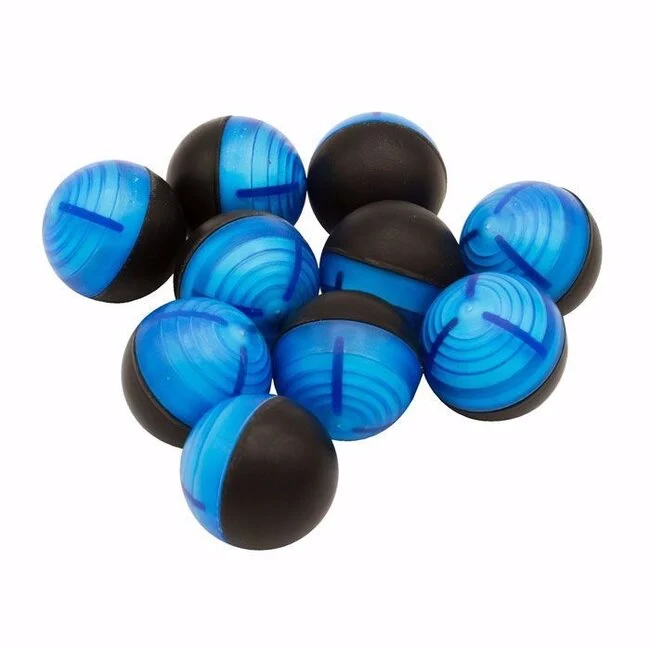
Pepper Ball Ammunition Guide for Canada: Calibers, Types, and What Works for Home Defense
If you’re trying to pick the right ammo for a pepper ball launcher, you’re not alone—there are a lot of options, and the details actually matter. Caliber, payload type, and how a round behaves indoors can change the whole experience. This guide walks you through pepper balls Canada buyers commonly consider, how they compare across calibers, and how to think about effectiveness in a typical home setting—without the hype.
What Are Pepper Balls (and How Do They Work)?
Pepper balls are projectile rounds designed to break on impact and disperse an irritant powder. Depending on the product, that irritant may be PAVA or OC-style compounds. The idea is to create intense discomfort and distraction so you have time to disengage, get to safety, and call for help.
One thing people like about pepper balls is distance. Compared to a traditional spray, you may be able to deploy them farther away and with less chance of direct blowback. That said, indoor airflow, HVAC vents, and room layout still matter—powder doesn’t magically stay in one spot.
Within the broader world of less lethal ammunition Canada shoppers look at, pepper balls are usually compared against:
- Powder balls (often inert or marking powder—great for practice and feedback)
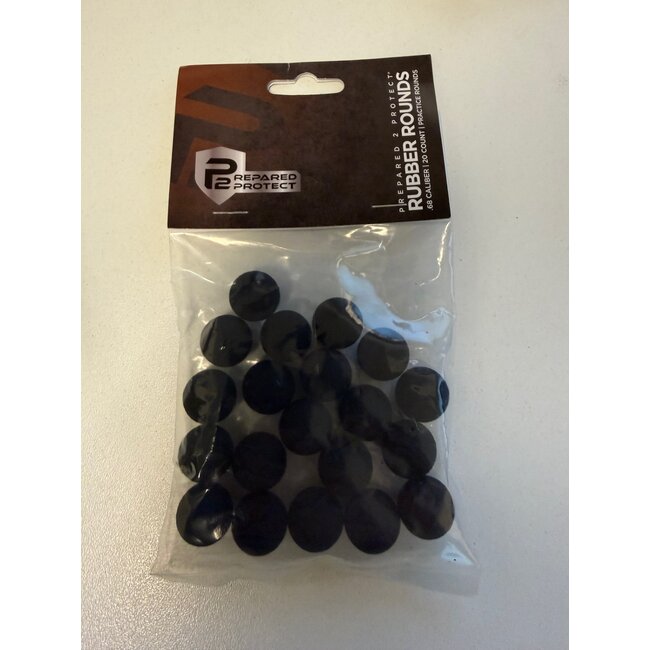
- Rubber/impact rounds (focused on kinetic impact rather than dispersal)
- Training/paint rounds (for reps, accuracy work, and handling drills)
For home defense, the goal is typically deterrence and buying time—not “winning” an encounter. Choosing ammo with that mindset helps you make smarter, safer decisions.

Canadian Considerations: Safety, Storage, and Responsible Use
Before you buy anything, take a minute to think through safe handling and responsible ownership. A solid plan usually includes:
- Secure storage so devices and ammo aren’t accessible to unauthorized people
- House rules everyone understands (especially if kids are in the home)
- Training so you can operate your launcher safely under stress
- De-escalation and avoidance whenever it’s possible
Availability and what’s appropriate can vary by location and product category. Always follow manufacturer guidance and applicable Canadian laws and regulations in your area.
Understanding Calibers: .43 vs .50 vs .68
Caliber affects how a round feeds, how it flies, and how it delivers payload or impact. The most common sizes you’ll run into are .43, .50, and .68. Here’s the practical way to think about each.
.43 Cal: Compact Platforms and Easy Practice
.43 caliber rounds are often used in smaller platforms and can be a budget-friendly way to train. They’re a good fit if you want:
- Manageable handling and a lighter “feel” during practice
- More reps for the money (depending on the round type and brand)
- Skill-building around loading, aiming, and safe storage routines
If you want visible feedback without irritant powder, these .43 cal powder balls are a common training choice.
.50 Cal: The “Sweet Spot” for Many Home Setups
If you’ve been reading about 50 cal pepper balls Canada options, it’s usually because .50 is a popular middle ground: easy to handle, widely supported, and practical at typical home distances (think hallways, doorways, and living rooms).
For practice sessions, it’s hard to beat simple training ammo. These .50 cal training rounds are a straightforward way to work on shot placement and consistency without burning through specialized defensive rounds.
.68 Cal: Larger Format, Big Compatibility Ecosystem
When people compare 68 pepper balls Canada choices, they’re usually looking at a larger projectile and a platform style that feels familiar if they’ve ever been around paintball markers. .68 can be easier to track visually in flight, and there’s a big ecosystem of compatible gear in that caliber.
A lot of users also like the confidence factor—larger format, more visible, and simple to understand under stress. Just remember: bigger doesn’t automatically mean “better.” The best choice is the one you can run safely and accurately.
Types of Less-Lethal Ammunition in Canada: What Each Is For
Not all rounds are meant to do the same job. Here’s a clear breakdown of the main categories you’ll see in less lethal ammunition Canada options.
Pepper/Irritant Rounds (Deterrence-First)
Pepper/irritant rounds are designed to create strong sensory disruption. In a home-defense context, people choose them because they can:
- Create fast deterrence when the round breaks and disperses
- Give you distance compared to contact-range tools
- Support a disengage-and-exit plan when possible
Heads-up: any dispersed powder can affect everyone nearby. Ventilation, room size, and airflow make a real difference—especially in tight hallways.
Powder Balls (Training, Marking, and Feedback)
People often ask about powder balls self defense because the name sounds “defensive,” but many powder balls are primarily for practice and feedback. They’re commonly used for:
- Training and accountability (you can see where you hit)
- Scenario practice without introducing irritant powder into your home
- Building confidence with loading, aiming, and safe handling
A practical approach is to train mostly with powder/paint-style rounds, then keep your defensive rounds staged responsibly for readiness.
Rubber/Impact Rounds (Impact-Focused)
Impact rounds focus on kinetic deterrence rather than dispersal. They’re often considered by people who want:
- Immediate physical pressure as a deterrent (still potentially dangerous)
- Less airborne powder compared to irritant rounds
Important: impact projectiles can cause serious injury. Follow manufacturer guidelines carefully, and consider professional training if you’re relying on them for home defense.
Effectiveness for Home Defense: What Actually Matters
When people talk about “effectiveness,” they often get stuck on caliber. In real life, it usually comes down to whether you can use your setup reliably, safely, and accurately when your heart rate is up.
1) Reliability and Feeding
Use ammo designed for your specific platform and caliber. Damaged or low-quality rounds can lead to feeding issues, inconsistent accuracy, and frustration—none of which you want in a high-stress moment.
2) Accuracy at Home Distances
Most home distances are short. That means accuracy and repeatability matter more than anything else. Training rounds are your friend here—more reps usually beats “fancier” ammo you never practice with.
3) Deterrence vs. Escalation
Less-lethal tools are typically about creating a window to escape or secure a safe room. A realistic plan should also include:
- Calling emergency services as soon as it’s safe to do so
- Moving to a safer position (and keeping family members behind you)
- Clear communication to reduce misunderstandings
4) Your Environment: Airflow, Pets, and Family Members
If you’re using anything that disperses powder indoors, think about who else could be exposed—kids, pets, or other household members. HVAC airflow can move particles farther than you’d expect. In some homes, impact rounds (handled responsibly) or a training-first approach may feel like the better match.
Recommended Pairings: Common Platforms and Caliber Choices
Once you know your caliber, the next step is making sure your launcher and ammo match—and then building a simple practice routine.
.50 Cal Home Defense Setup
If you’re leaning toward .50 caliber, the P2P HDP 50 Gen 2 is a popular full-size platform. A smart way to set it up is to:
- Practice regularly with training rounds to build consistency
- Store and stage defensive rounds responsibly (and legally)
- Consider safe storage and, where appropriate, a light so you can identify what’s happening
.68 Cal Home Defense Setup
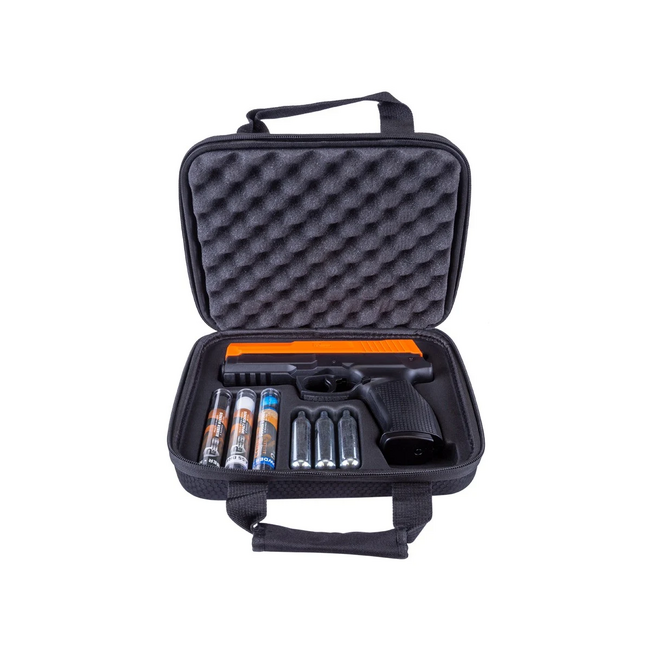
If .68 is more your speed, the P2P Secure 68P kit is an example of a kit approach that makes it easy to get the compatible basics together.
.68 platforms often appeal to people who want that larger format and broad compatibility with the marker-style ecosystem.
Training Strategy: Build Skill Without Burning Defensive Ammo
The simplest strategy is to separate practice ammo from readiness ammo. You’ll train more, spend less, and you’ll be less likely to fumble basic handling if you ever need the tool for real.
- Start with the fundamentals: safe loading/unloading, storage access, and muzzle discipline.
- Use training rounds for volume practice and shot placement.
- Add simple scenarios: moving to a safe room, low-light practice (done safely), and calling emergency services.
- Stick to compatible rounds: only use ammo intended for your launcher and caliber.
If you want to see options by type and caliber, you can browse the self-defense ammunition collection and build a mix of training and readiness ammo that fits your plan.
Choosing the Right Pepper Ball Ammunition in Canada: A Simple Checklist
- Match the caliber: .43, .50, or .68—only buy what your platform is designed for.
- Match the job: training (paint/powder) vs deterrence (pepper/irritant) vs impact (rubber).
- Think about your layout: tight hallways and small rooms can change what feels practical.
- Choose what you can run well: simple, reliable handling beats theoretical performance.
- Plan for resupply: it’s easier to stay prepared if your ammo is easy to restock for training.
Where to Start: Pepper Ball Pistols and Ammo in Canada
If you’re still deciding on a platform, start with the device first, then buy ammo that matches it. You can compare options in the pepper ball pistols category, then choose the right caliber and round type from there.
That small step—platform first, ammo second—cuts out most of the guesswork.
Final Thoughts: Keep It Practical, Train Often, Stay Responsible
The best home defense setup is the one you can operate safely and confidently. For most people, that means choosing a caliber you can control, keeping a sensible mix of training and defensive rounds, and practicing enough that the basics feel automatic. Whether you’re comparing 50 cal pepper balls Canada shoppers tend to choose or looking at 68 pepper balls Canada setups, focus on reliability, training, and responsible use.
Call to Action: Stock the Right Ammo for Your Caliber
Ready to put together a smarter setup? Start with ammo that fits your launcher and your training plan. Shop the self-defense ammunition collection to compare types and calibers, then round out your practice stash with options like .50 cal training rounds or .43 cal powder balls so you can train regularly and keep your readiness plan realistic.


