
How Much Defense-Launcher Ammo Do You Really Need? A Canadian Stocking Guide
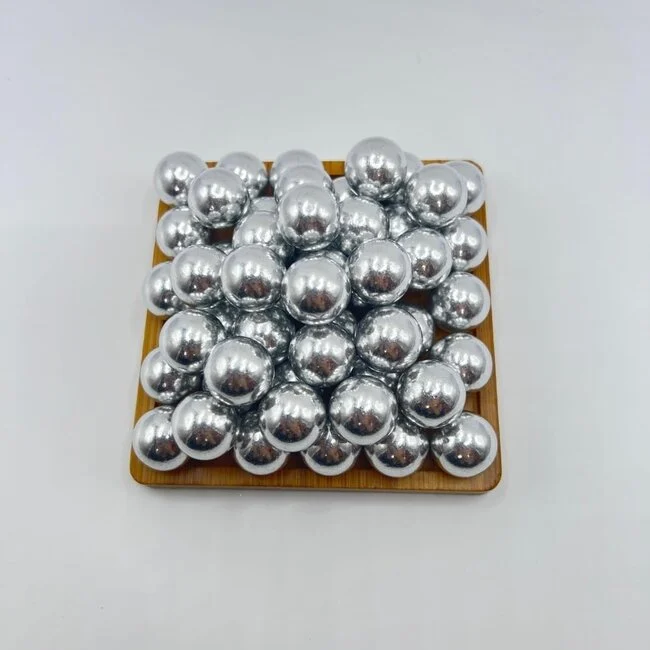
For a less-lethal home-defense launcher, a practical stock is roughly 40 to 60 defensive rounds on hand, backed by a few hundred cheaper training rounds you actually shoot. Unlike firearm stockpiling advice, less-lethal planning is less about hoarding thousands of rounds and more about keeping a small, rotated defensive supply plus enough affordable practice ammo to stay proficient. You also need CO2 to match. Browse what is available in our self-defense ammo collection, and this guide explains how much of each to keep.
How much self-defense ammo should you keep at home?
Keep a small, dedicated defensive supply of 40 to 60 rounds, and a much larger pool of inexpensive training rounds. The defensive number is modest on purpose: a less-lethal launcher is a deterrent layer, and what matters is having a loaded magazine plus a reload or two ready, not a closet full of rounds. The training number is where volume belongs, because proficiency comes from repetition with cheap ammo, not from stockpiling expensive defensive rounds you never fire.
This is the opposite of most "how much ammo" advice online, which is written for firearms and talks in thousands of rounds. For a T4E or Umarex P2P owner, the smarter framing is the table below: match the quantity to the use case, and lean your spending toward practice.
| Scenario | Suggested quantity on hand | Best-fit format | Rationale |
|---|---|---|---|
| Home-defense ready (loaded + spares) | 40–60 defensive rounds | .68 rubber or glass breaker, 100 ct | Covers a magazine plus reloads; rotate yearly |
| Single range/training session | 100–250 rounds | .43/.50 paintball or powder ball, 250–430 ct | High-volume, low-cost repetition |
| Quarterly practice stock | 500+ training rounds | Bulk .43 (430–8000 ct) | Lowest cost per round; keeps you practising |
| CO2 to match | 1 cartridge per fill, plus spares | 12g (15–40 ct) or 88/90g cylinders | Do not run dry mid-session; cold cuts output |
The most common mistake we see is buying one box of expensive defensive rounds and treating it as both the practice and the defense supply. Split them. Your defensive rounds should be loaded and rotated; your practice rounds should be cheap and plentiful.
How many rounds do you actually need loaded for defense?
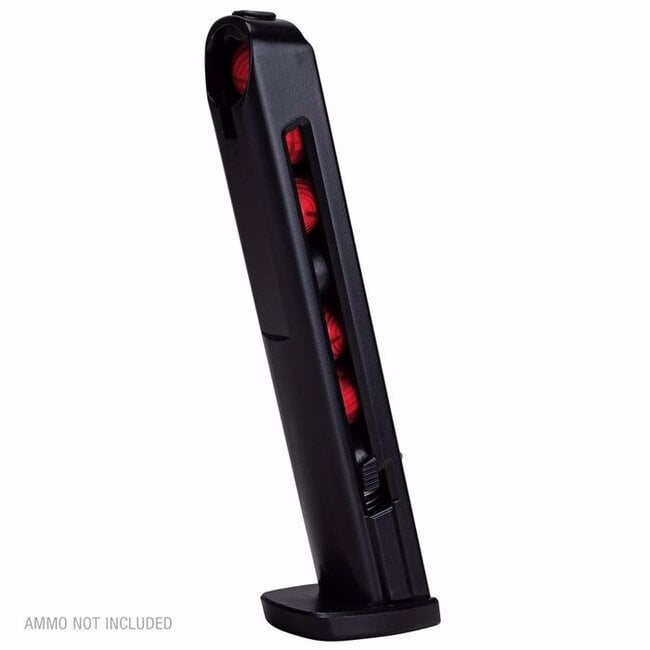
A loaded magazine plus one or two spares is the realistic defensive load, which is why 40 to 60 rounds on hand is plenty. Most T4E and P2P magazines hold a modest number of rounds, and a home-defense encounter with a deterrent launcher is about presentation and a few decisive shots, not sustained volume. Keeping more than a couple of magazines ready adds little once the immediate need is met.
What does pay off is making sure the reload is never the weak link. Keep your spare magazines pre-loaded with your chosen defensive round and stored with the launcher, so topping up is instant. Extra magazines are inexpensive insurance compared to fumbling loose rounds under stress; browse options in our spare magazines collection.
How much should you budget: training vs defense rounds?
Budget most of your ammo spend on training rounds, where the cost per round drops dramatically in bulk. Defensive rounds like .68 glass breakers cost more per round but you buy them rarely and in small quantity. Training rounds in .43 or .50 can run a fraction of that, and bulk packs push the per-round cost down to single-digit cents. The table below shows the real spread from in-stock products.
| Product | Pack | Price (CAD) | Cost per round (CAD) |
|---|---|---|---|
| T4E Paintballs .43 (430 ct) | 430 | $39.99 | $0.09 |
| T4E Rubber Ball .43 (8000 ct, bulk) | 8000 | $689.99 | $0.09 |
| T4E Rubber Balls .50 (250 ct) | 250 | $35.00 | $0.14 |
| T4E Quick Access Glass Breaker .68 (100 ct) | 100 | $24.99 | $0.25 |
| Umarex P2P Rubber Rounds .68 (20 ct) | 20 | $14.99 | $0.75 |
The takeaway is clear: small-count defensive packs carry the highest per-round cost, while bulk training rounds are where your dollar stretches. Buy defensive rounds for what they are, then stock practice rounds in bulk. Our broad self-defense ball ammunition guide covers the round types if you are still deciding which to standardise on.
Does less-lethal ammo expire or degrade?
Yes, some of it does: rubber and frangible powder rounds degrade over time, while solid polymer and aluminum rounds are far more shelf-stable. Rubber hardens and can crack with age and temperature swings; frangible powder balls can absorb humidity or become brittle. That is exactly why a defensive supply should be rotated rather than bought once and forgotten — fresh rounds feed and perform predictably.
A simple rule works well: date your boxes when you buy them, shoot your oldest training rounds first, and replace defensive rounds yearly. Inspect any round that has been loaded a long time for deformation or surface cracking before trusting it. Solid glass breaker and aluminum rounds tolerate storage best, which is one more reason they suit a defensive role.
How should you store rubber, powder, and glass-breaker rounds?
Store all less-lethal rounds in a cool, dry place out of direct sunlight, and keep them away from the temperature extremes a Canadian garage sees. Heat accelerates rubber degradation, and damp conditions are hard on frangible powder rounds. A closet or interior storage spot beats an unheated garage or a hot vehicle, both of which cycle through temperatures that shorten round life.
- Keep rounds in their original packaging or a sealed container so they stay clean and feed reliably.
- Separate defensive and training rounds with clear labels so you never load the wrong type by mistake.
- Avoid the garage in winter and summer: repeated freeze-thaw and heat cycles age rubber and frangible rounds fastest.
How much CO2 should you keep alongside your ammo?
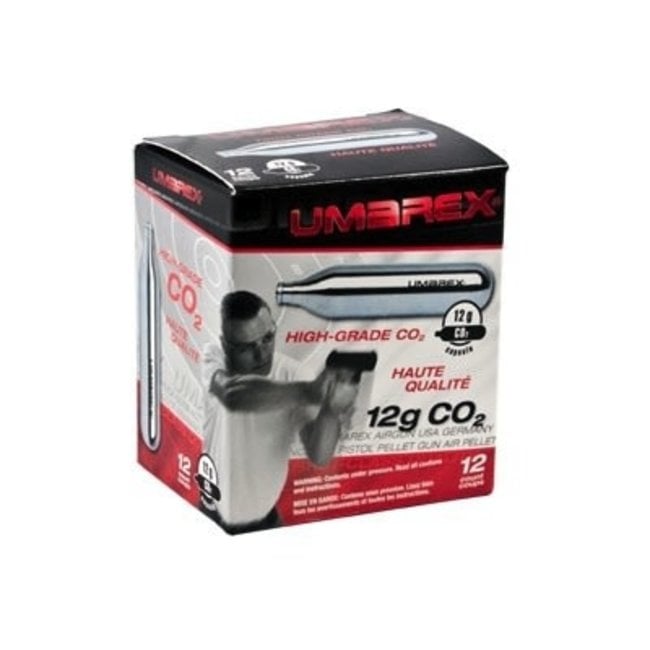
Treat CO2 as a parallel consumable: keep enough cartridges or a bulk cylinder so a practice session never ends because you ran out of gas. A 12g cartridge typically powers a short session in a pistol, while 88g and 90g cylinders deliver many more shots between changes for higher-capacity launchers. Cold weather reduces CO2 output, so in a Canadian winter you will get fewer consistent shots per cartridge and should keep extras on hand.
Match your CO2 stock to how you shoot: a handful of 12g cartridges for occasional defensive checks and practice, or a bulk cylinder if you train in volume. For the details on shots per cartridge and cold-weather behaviour, see our guide on maximizing shots per cartridge, and stock up in the CO2 cylinders collection.
Frequently asked questions about stocking defense-launcher ammo
How many rounds is "enough" for home defense with a less-lethal launcher?
A loaded magazine plus one or two pre-loaded spares is realistic, which puts a sensible on-hand defensive supply at about 40 to 60 rounds. A deterrent launcher is about decisive presentation and a few shots, not sustained volume, so additional defensive rounds beyond a couple of magazines add little.
What is a sensible training-to-defense ammo ratio?
Most of your ammo should be cheap training rounds. A practical split is hundreds of practice rounds for every few dozen defensive rounds, because proficiency comes from repetition. Defensive rounds are bought rarely and in small quantity; training rounds are bought in bulk and shot regularly.
Does rubber or powder ball ammo have a shelf life?
Yes. Rubber rounds harden and can crack with age and temperature swings, and frangible powder balls can degrade with humidity. Solid polymer glass breakers and aluminum rounds store best. Date your boxes, shoot the oldest training rounds first, and replace defensive rounds yearly.
How much CO2 do I need per practice session?
Plan at least one 12g cartridge per fill for a short pistol session, with spares on hand, or a bulk 88g/90g cylinder for higher-volume training. Cold weather lowers CO2 output, so keep extra cartridges in winter and expect fewer consistent shots per cartridge.
Where to start?
Buy one box of defensive rounds, a bulk pack of training rounds in your calibre, and enough CO2 to match — then practise. That combination keeps you proficient without overspending on expensive defensive ammo you rarely fire.
To shop online, start with these collections:
- Self-defense ammo collection — defensive and training rounds in .43, .50, and .68.
- CO2 cylinders — 12g cartridges and bulk cylinders to keep your launcher fed.
- Spare magazines — pre-load extras so reloads are never the weak link.
- Self-defense pistols — the launchers these rounds feed.
- Self-defense and training category — build out the rest of your kit.
If you are setting up for the first time, start small: a single defensive box, one bulk training pack, and a few CO2 cartridges is enough to confirm your launcher feeds reliably before you commit to a larger stock. For the legal context behind a home-defense plan, read our Canadian legal guide to non-lethal home defense, and if you are still choosing a launcher, our Umarex T4E buyer's guide is the place to begin.


