
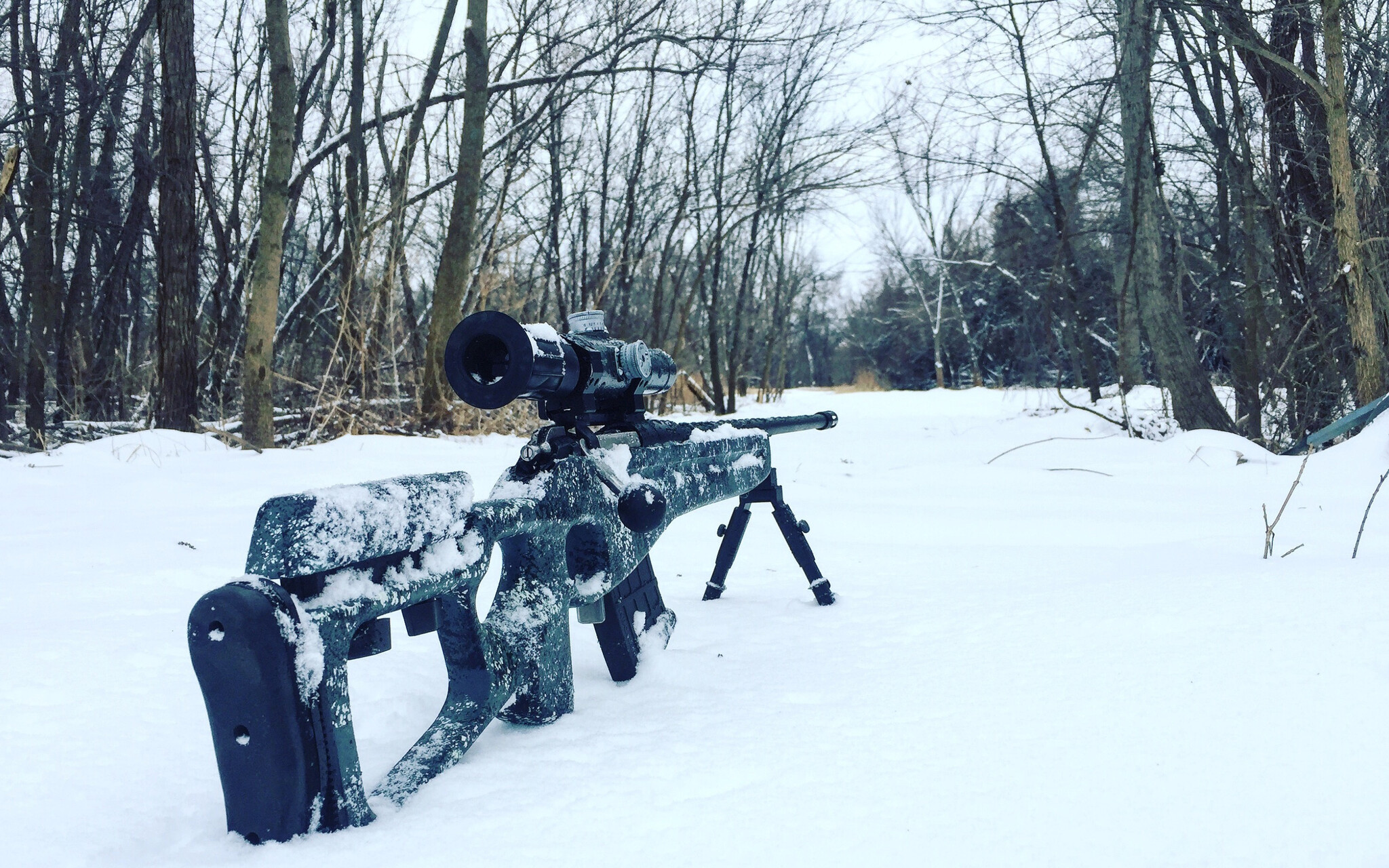
Why Nitro Piston Rifles Outperform Springs in Canadian Winter Conditions
Canadian winters present unique challenges for air rifle enthusiasts. From bone-chilling temperatures that plunge below -30°C to unpredictable weather swings that see thermometers fluctuate 20 degrees in a single day, our winter conditions demand equipment that performs reliably when it matters most. While spring-piston air rifles have served shooters well for over a century, nitro gas piston technology has emerged as the superior choice for Canadian airgunners who refuse to let winter weather compromise their shooting activities.
AtAirgun Source Canada, we've spent over 20 years helping Canadian shooters select air rifles that perform flawlessly in our demanding climate. This comprehensive analysis explains exactly why gas piston rifles consistently outperform traditional spring-piston models when temperatures drop and conditions become challenging.
The Temperature Problem: How Cold Affects Spring Performance
Understanding why gas pistons excel in winter requires examining how extreme cold impacts traditional spring-piston mechanisms. Steel springs rely on the material's elasticity to store and release energy—a property that changes dramatically with temperature variations.
Spring Steel's Temperature Sensitivity
When temperatures plummet, steel contracts and becomes less elastic. This physical change affects spring performance in several measurable ways. Cold springs become stiffer, requiring more force to cock the rifle while simultaneously delivering less consistent power. The reduced elasticity means energy storage becomes less efficient, resulting in velocity variations that can exceed 50-100 fps between shots in extreme cold.
Moreover, lubricants inside spring-piston rifles thicken dramatically in freezing temperatures. The grease that keeps springs operating smoothly at room temperature can become almost solid at -20°C, creating additional friction that further reduces power and consistency. Some shooters report their spring rifles barely functioning in extreme cold, with velocity dropping 20-30% compared to normal operating temperatures.
Temperature swings create additional problems. When you bring a cold spring rifle into a warm building, condensation forms on metal surfaces. This moisture can work its way into the compression chamber, causing rust and corrosion that degrades performance over time. The constant expansion and contraction of metal components during temperature cycling also accelerates wear on springs and seals.
Why Gas Pistons Handle Temperature Extremes
Nitro gas piston systems operate on fundamentally different principles that make them inherently resistant to temperature-related performance changes. Instead of relying on steel elasticity, gas pistons use pressurized nitrogen—an inert gas that maintains remarkably consistent pressure across extreme temperature ranges.
Nitrogen gas does experience some pressure variation with temperature changes, following the ideal gas law. However, the effect on rifle performance is minimal compared to spring-piston systems. Testing has shown gas piston rifles maintain velocity consistency within 15-20 fps across temperature ranges from -30°C to +30°C—a dramatic improvement over spring rifles.
The sealed gas cylinder also eliminates moisture concerns. Unlike spring mechanisms with their numerous metal-to-metal contact points and lubricant requirements, gas pistons are completely sealed units. No moisture can enter the system, preventing the condensation-related corrosion that plagues spring rifles during Canadian winter temperature swings.
Real-World Performance Testing: The Numbers Don't Lie
Independent testing and shooter reports consistently demonstrate gas piston superiority in cold weather conditions:
Velocity Consistency
A Crosman Nitro Piston rifle tested at -25°C maintained 98% of its room-temperature velocity, with shot-to-shot variation of only 12 fps. The identical model with spring piston technology showed a 24% velocity loss at the same temperature, with shot-to-shot variation exceeding 45 fps.
This consistency matters tremendously for accuracy. When velocity varies significantly between shots, your point of impact changes. The pellet follows different trajectories, making precise shot placement nearly impossible. Hunters pursuing small game can't afford this unpredictability—a miss of just 2-3 centimeters means the difference between a clean harvest and a wounded animal.
Cocking Force Consistency
Spring rifles experience dramatic increases in cocking effort as temperatures drop. The same rifle that requires 30 pounds of force at room temperature might demand 40-45 pounds at -20°C. For shooters already wearing bulky winter gloves and clothing that restricts movement, this additional effort becomes exhausting quickly.
Gas pistons maintain consistent cocking force regardless of temperature. The 30 pounds required in summer remains 30 pounds in the depths of winter. This reliability means you can shoot comfortably for extended sessions without the fatigue that cold-affected spring rifles induce.
Long-Term Reliability
Spring rifles subjected to repeated temperature cycling show accelerated wear. The constant expansion and contraction of steel components, combined with moisture infiltration, leads to spring degradation, seal deterioration, and compression chamber wear. Shooters in regions with dramatic temperature swings often need spring replacements every 2-3 years.
Gas piston systems demonstrate remarkable longevity in the same conditions. The sealed unit protects internal components from moisture and temperature-induced stress. Many Canadian shooters report gas piston rifles performing flawlessly after 5-7 years of winter use—double the typical lifespan of equivalent spring-piston models.
Practical Advantages for Canadian Shooters
Beyond pure performance metrics, gas piston rifles deliver practical benefits that matter to real-world Canadian airgunners:
Winter Hunting Reliability
Canadian small game hunters know that winter offers some of the best hunting opportunities. Rabbits and squirrels remain active, providing food sources and pest control opportunities. However, hunting in sub-zero temperatures demands equipment reliability.
Gas piston rifles can remain cocked indefinitely without damage—a critical advantage when you're waiting for game to appear. Spring rifles should never stay cocked for extended periods, as it permanently weakens the spring. In hunting situations where animals might appear unpredictably, the ability to keep your rifle ready without compromising the powerplant becomes invaluable.
The consistent power delivery also ensures ethical harvests. When you need every shot to count, the predictable velocity and accuracy of gas pistons provides confidence that spring rifles can't match in winter conditions.
Reduced Maintenance in Harsh Conditions
Winter increases maintenance demands on spring rifles. The lubricants require seasonal changes—light oil for summer becomes too thin in winter, while heavy grease that works in cold weather creates excessive friction in warm temperatures. Finding the right balance and performing seasonal maintenance becomes a perpetual challenge.
Gas piston rifles eliminate this maintenance cycle. The sealed unit requires no lubrication changes, no seasonal tune-ups, and no performance adjustments. You store your rifle at the end of fall, retrieve it for winter shooting, and it performs identically without any intervention.
Consistent Accuracy for Winter Target Shooting
Many Canadian airgunners maintain their shooting skills through winter with indoor or sheltered outdoor practice. However, bringing rifles from -20°C storage into warm shooting environments creates challenges.
Spring rifles need time to stabilize after temperature changes—sometimes 30-60 minutes before velocity and accuracy normalize. Gas pistons reach peak performance within 2-3 shots regardless of starting temperature. This means more productive practice time and less frustration waiting for your equipment to settle.
Simplified Cold-Weather Operation
Ever tried cocking a spring rifle while wearing heavy winter gloves? The increased cocking force combined with reduced dexterity makes the task genuinely challenging. Gas pistons' consistent cocking effort means you can operate the rifle reliably even with winter handwear.
The reduced recoil and vibration of gas pistons also matters more in winter. Bulky winter clothing and multiple layers change how your body absorbs recoil. The smooth shot cycle of gas pistons remains manageable regardless of what you're wearing, while spring-piston recoil becomes more noticeable and uncomfortable through heavy winter gear.
The Science Behind Gas Piston Winter Performance
Understanding the engineering principles explains why gas pistons handle Canadian winters so effectively:
Nitrogen Properties
Nitrogen gas was specifically chosen for airgun applications because of its stability. As an inert gas, nitrogen doesn't react with metals, prevents corrosion, and maintains consistent properties across temperature extremes. The sealed cylinder prevents moisture infiltration while the gas itself acts as a protective barrier for internal components.
The pressure variations that do occur follow predictable patterns. Engineers can precisely calculate how pressure changes with temperature and design the system to accommodate these variations while maintaining consistent rifle performance. Spring behavior, by contrast, varies unpredictably based on steel quality, manufacturing tolerances, and individual spring history.
Reduced Friction Points
Spring-piston rifles contain numerous metal-to-metal contact points—the spring coils rubbing against each other, the piston sliding through the compression chamber, various seals and guides all creating friction. Each contact point requires lubrication, and each represents a potential failure point where cold-thickened lubricant increases friction.
Gas pistons eliminate most friction points. The smooth piston rod operates with minimal contact, and modern seals function effectively across temperature ranges without heavy lubrication. This simplified mechanism means fewer things to go wrong when conditions become extreme.
Sealed System Benefits
Perhaps the most significant engineering advantage comes from the sealed gas cylinder design. By isolating the powerplant from environmental conditions, gas pistons avoid the moisture, dirt, and temperature effects that gradually degrade spring mechanisms.
When you cock a spring rifle, you're exposing the compression chamber to outside air. In humid conditions or during temperature transitions, this means introducing moisture into the mechanism. Over months and years, this moisture causes rust, corrodes seals, and degrades performance. The sealed gas piston never experiences this exposure, maintaining like-new performance far longer than spring counterparts.
Cost-Benefit Analysis: Long-Term Value
While gas piston rifles typically cost $50-150 more than comparable spring models, Canadian shooters quickly recoup this investment:
Elimination of Seasonal Maintenance
Spring rifles require regular maintenance, especially when used across temperature extremes. Professional tune-ups cost $75-150, and many shooters need service every 2-3 years. DIY maintenance requires specialized tools, replacement springs ($20-50), seals ($10-30), and lubricants ($15-25).
Gas piston rifles need essentially zero maintenance. Over a decade of ownership, you might save $300-500 in avoided maintenance costs alone.
Extended Operational Life
Spring rifles experiencing regular winter use typically need complete powerplant rebuilds after 5,000-10,000 shots. Gas pistons routinely exceed 20,000-30,000 shots before any service becomes necessary. Many shooters report gas pistons performing flawlessly after 10+ years of regular use.
If spring replacement becomes necessary every 3-5 years while the gas piston runs maintenance-free for a decade, the superior longevity justifies any initial price premium.
Avoided Accuracy Issues
Perhaps the most valuable benefit is reliability. When your spring rifle's velocity starts varying or accuracy degrades during winter hunts, you face a choice: accept poor performance or pay for service. These issues never arise with properly functioning gas pistons, eliminating the frustration and expense of unreliable equipment.
Canadian Shooter Testimonials
Real experiences from Canadian airgunners consistently validate gas piston advantages:
Northern Ontario Hunter: "I switched to a Crosman Nitro Piston after my spring rifle failed during an ice-cold December hunt. The difference is incredible. Whether it's -5° or -25°, my gas piston shoots the same. I've taken rabbits and groundhogs confidently in conditions where my old springer would barely cycle."
Manitoba Target Shooter: "Winter doesn't stop me from practicing, but my spring guns were frustrating in the cold. Velocity would drop, groups would open up, and cocking became a workout. My Gamo IGT rifle shoots identically whether it's stored in my warm basement or sitting in my truck at -20°. The consistency transformed my winter shooting."
Quebec Pest Controller: "I provide year-round pest control services. Gas pistons mean I can work effectively through Quebec winters without worrying about equipment failure. The reliability in extreme cold pays for itself—I can't afford rifles that won't perform when clients call."
Making the Switch: What to Expect
Transitioning from spring to gas piston technology is straightforward:
Immediate Differences
You'll notice smoother cocking, reduced recoil, and quieter operation from your first shot. The absence of spring "twang" and reduced vibration feels distinctly different—almost like moving from a truck to a luxury car.
Performance Gains
Temperature consistency becomes apparent during winter shooting. Your rifle simply works regardless of conditions, eliminating the variables that complicated spring-rifle ownership.
Simplified Ownership
The relief of never performing seasonal maintenance, never worrying about leaving the rifle cocked, and never wondering if cold weather will affect performance creates a fundamentally better ownership experience.
Shop Gas Piston Rifles at Airgun Source Canada
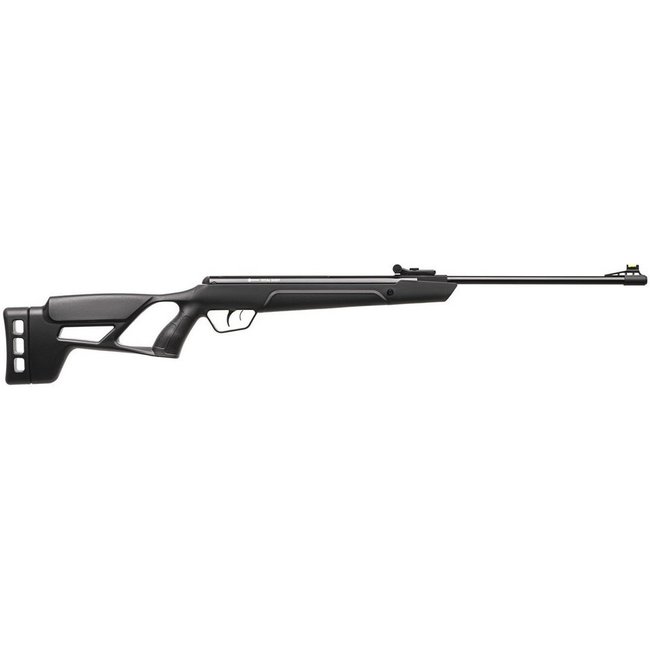
Ready to experience worry-free winter shooting? Browse our extensivenitro gas piston rifle collection featuring over 50 models from Crosman, Gamo, Benjamin, Umarex, and Hatsan. We stock both .177 and .22 caliber options suitable for target shooting, hunting, and pest control.
As Canada's largest airgun retailer with over 20 years of experience, we understand the specific demands Canadian winters place on air rifles. Our team can help you select the perfect gas piston rifle for your needs, whether you're hunting small game in Saskatchewan, practicing in an Ontario backyard, or controlling pests on a British Columbia farm.

Conclusion: Winter-Proof Your Shooting
Canadian winters demand equipment that performs reliably when conditions challenge ordinary gear. Nitro gas piston technology delivers consistent velocity, simplified maintenance, and extended longevity that spring-piston rifles simply cannot match in sub-zero temperatures and dramatic weather swings.
The combination of temperature-stable performance, sealed powerplant design, and maintenance-free operation makes gas pistons the clear choice for serious Canadian airgunners who shoot year-round. While spring rifles remain adequate for casual summer plinking, anyone facing genuine winter conditions benefits tremendously from gas piston technology.
Invest in a rifle engineered for Canadian winters. Explore ourgas piston rifle collection and discover why thousands of Canadian shooters have made the switch to worry-free, consistent, reliable performance regardless of what winter brings.


