
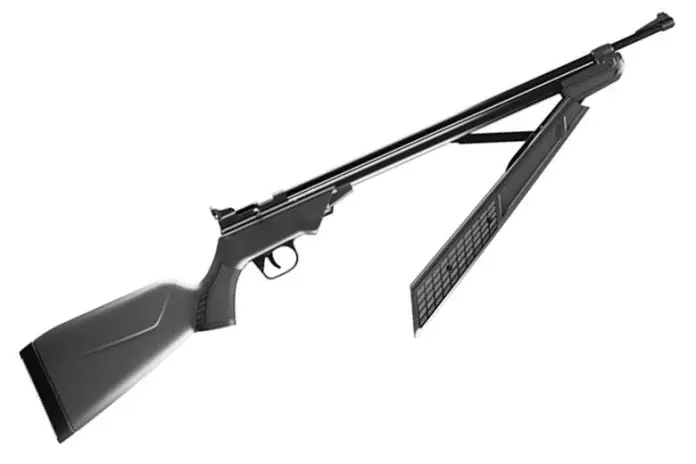
Single-Stroke vs Multi-Pump: Understanding Pneumatic Air Rifle Types
When it comes to choosing an air rifle, understanding the different power systems is crucial for making an informed decision. Among the most popular options are pneumatic air rifles, which use compressed air to propel pellets downrange. Within this category, two distinct types stand out: single-stroke pneumatic (SSP) and multi-pump pneumatic (MPP) air rifles. Each offers unique advantages and characteristics that appeal to different shooters and applications.
What Are Pneumatic Air Rifles?
Pneumatic air rifles use compressed air as their power source, distinguishing them from spring-piston and CO2-powered alternatives. The "pneumatic" designation refers to the method of compression—the shooter manually pumps air into an internal chamber, which is then released to fire the pellet. This manual operation gives shooters complete control over their rifle's power and eliminates the need for external gas cartridges or complicated mechanisms.
The beauty of pneumatic air rifles lies in their simplicity, reliability, and consistency. Without the harsh recoil of spring-piston rifles or the temperature sensitivity of CO2 systems, pneumatic rifles offer a smooth shooting experience that's ideal for target practice, small game hunting, and introducing newcomers to the sport.
Single-Stroke Pneumatic Air Rifles: Precision in One Motion
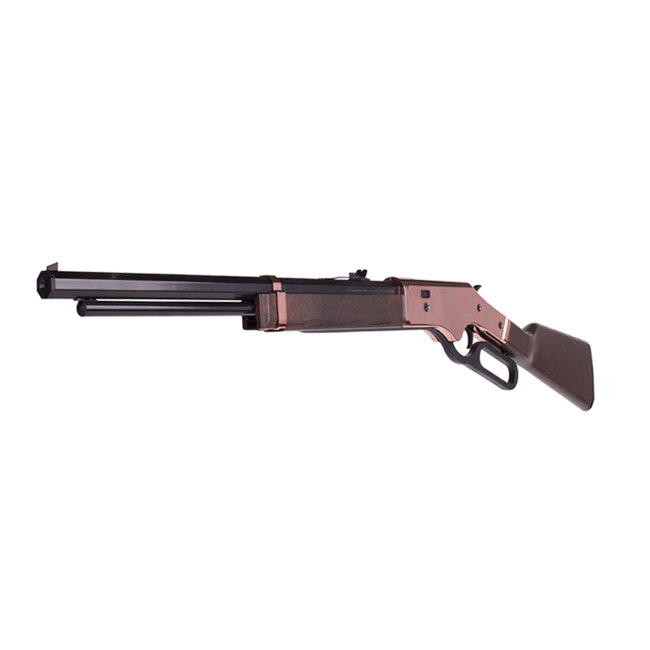
Single-stroke pneumatic air rifles represent the pinnacle of consistency in the airgun world. As the name suggests, these rifles require just one pump of the lever to fully charge the air chamber for each shot. This single compression cycle delivers a predetermined amount of air pressure, resulting in remarkably consistent velocities shot after shot.
How Single-Stroke Pneumatics Work
The mechanism behind SSP rifles is elegantly simple. When you cock the lever—typically located underneath the barrel—a piston compresses air into a sealed chamber. This compression happens in one smooth, complete motion. Once cocked, the rifle is ready to fire, and pulling the trigger releases the compressed air behind the pellet, propelling it down the barrel.

Advantages of Single-Stroke Systems
Consistency: The primary advantage of single-stroke pneumatics is their exceptional shot-to-shot consistency. Because each pump delivers the same amount of compression, velocity variations are minimal, making these rifles ideal for precision target shooting and competitive events.
Ease of Use: Requiring only one pump per shot makes SSP rifles quick to reload and less physically demanding than their multi-pump cousins. This feature is particularly appreciated during extended shooting sessions or competitions where speed and efficiency matter.
Accuracy: The consistent power delivery and absence of complex mechanisms contribute to excellent accuracy. Many Olympic and competitive target shooters choose single-stroke pneumatics for this reason.
Low Maintenance: With fewer moving parts and no need for external power sources, SSP rifles are relatively maintenance-free and can last for decades with proper care.
Limitations of Single-Stroke Rifles
The main drawback of single-stroke pneumatics is their fixed power output. While this consistency is advantageous for target shooting, it means you cannot adjust the velocity for different situations. Additionally, SSP rifles typically produce lower power levels compared to multi-pump options, making them less suitable for hunting applications where higher energy is needed.
Multi-Pump Pneumatic Air Rifles: Variable Power on Demand
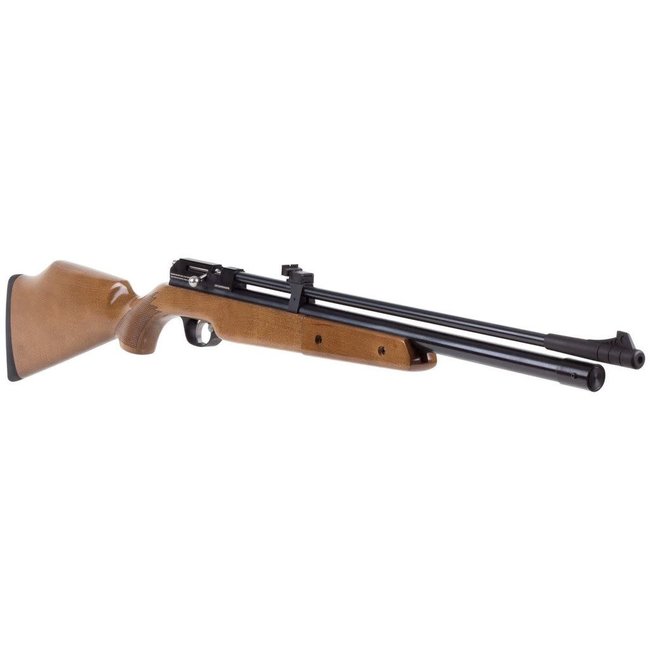
Multi-pump pneumatic air rifles offer a different approach to compressed air power. These versatile rifles allow shooters to pump the lever multiple times—typically between 3 and 10 pumps—to achieve the desired power level. This adjustability makesmulti-pump air rifles incredibly versatile tools suitable for various shooting applications.
How Multi-Pump Pneumatics Work
The fundamental mechanism of multi-pump rifles is similar to single-stroke models, but with one crucial difference: the air chamber can accept multiple compression cycles. Each pump adds more compressed air to the chamber, increasing the pressure and, consequently, the power behind the pellet. Most MPP rifles feature a pressure relief valve to prevent over-pumping and potential damage.
Advantages of Multi-Pump Systems
Adjustable Power: The ability to control power output is the defining feature of multi-pump rifles. Need less power for target practice at close range? Use 3-4 pumps. Hunting small game at distance? Pump it up to maximum for optimal energy delivery. This versatility makes one rifle suitable for multiple purposes.
Higher Power Potential: When fully pumped, multi-pump rifles can achieve significantly higher velocities than single-stroke models, making them effective for hunting small game like squirrels, rabbits, and pest birds at reasonable distances.
Cost-Effective: Multi-pump pneumatics are generally more affordable than pre-charged pneumatic (PCP) rifles while still offering good power and accuracy. They represent an excellent value for shooters who want performance without the expense of PCP equipment.
No External Power Source: Like SSP rifles, multi-pump models require no CO2 cartridges, hand pumps, or compressors. Your arms provide all the power you need, making them ideal for remote locations or extended shooting sessions.
Versatility: The adjustable power makes multi-pump rifles perfect for introducing young or new shooters to the sport. Start with fewer pumps for reduced recoil and noise, then gradually increase as skills develop.
Considerations with Multi-Pump Rifles
The primary trade-off with multi-pump pneumatics is the physical effort required. Achieving maximum power requires multiple pumping strokes, which can be tiring during extended shooting sessions. Each shot requires the same pumping effort, which can slow down your rate of fire compared to single-stroke or PCP alternatives.
Additionally, maintaining consistent pump counts is crucial for accuracy. If you pump 8 times for one shot and 6 times for the next, you'll see velocity variations that affect point of impact. Discipline and consistency in pumping technique are essential for optimal accuracy.
Comparing Performance: Single-Stroke vs Multi-Pump
Accuracy
Both rifle types can deliver excellent accuracy, but they excel in different scenarios. Single-stroke pneumatics typically edge out multi-pump rifles in pure precision shooting because their consistent power delivery eliminates one variable from the accuracy equation. However, a disciplined shooter who maintains consistent pump counts can achieve comparable accuracy with a multi-pump rifle.
Power and Velocity
Multi-pump rifles clearly win in the power category. While single-stroke models typically produce velocities in the 400-600 feet per second (fps) range, multi-pump rifles can reach 600-800 fps or higher when fully pumped. This power advantage makes multi-pump rifles more suitable for hunting and longer-range shooting.
Rate of Fire
Single-stroke pneumatics offer a faster rate of fire since you only need one pump between shots. This advantage matters in competitive shooting where speed counts, or when you need to take quick follow-up shots. Multi-pump rifles require more time between shots due to the multiple pumping cycles needed.
Physical Demand
Operating a single-stroke rifle requires less physical effort per shot, making it more suitable for younger shooters, extended practice sessions, or shooters with physical limitations. Multi-pump rifles demand more strength and endurance, particularly when shooting at maximum power levels.
Maintenance and Durability
Both types are known for reliability and low maintenance requirements. Single-stroke rifles, with their simpler fixed-pressure systems, may have a slight edge in long-term durability, but quality multi-pump rifles from reputable manufacturers can last equally long with proper care.
Choosing the Right Pneumatic Air Rifle for You
Your choice between single-stroke and multi-pump pneumatic air rifles should align with your intended use and shooting priorities.
Choose a Single-Stroke Pneumatic if you:
- Prioritize accuracy above all else
- Focus primarily on target shooting or competitive events
- Want the fastest rate of fire and easiest operation
- Prefer maximum consistency shot after shot
- Don't need adjustable power levels
Choose a Multi-Pump Pneumatic if you:
- Need versatile power adjustment for different applications
- Plan to hunt small game or pests
- Want one rifle that can serve multiple purposes
- Don't mind the extra pumping effort
- Seek maximum value and performance in a mid-range price point
Popular Applications for Each Type
Single-Stroke Applications
Single-stroke pneumatics dominate in formal target shooting, including 10-meter competitions and Olympic-style events. They're also excellent for teaching marksmanship fundamentals, casual plinking, and indoor shooting where noise reduction matters. The consistent power and smooth operation make them ideal for developing proper shooting technique.
Multi-Pump Applications
Multi-pump rifles shine in small game hunting, pest control, and field target shooting. Their adjustable power makes them versatile enough for backyard plinking with low pump counts and effective hunting with maximum pumps. They're also popular for introducing youth to shooting sports, as power levels can grow with the shooter's skills and physical development.
Maintenance Tips for Pneumatic Air Rifles
Regardless of which type you choose, proper maintenance ensures long-term reliability:
- Keep the pump mechanism clean and lightly lubricated
- Store rifles in a cool, dry place to prevent seal degradation
- Avoid dry-firing, which can damage seals
- Periodically check and tighten stock screws
- Use quality pellets to prevent barrel leading
- For multi-pump rifles, avoid exceeding the manufacturer's recommended maximum pumps
Conclusion: Two Excellent Options for Different Needs
Both single-stroke and multi-pump pneumatic air rifles have earned their place in the airgun world through reliable performance and distinctive advantages. Single-stroke models offer unmatched consistency and ease of use for target shooting, whilemulti-pump air rifles provide versatile, adjustable power suitable for everything from casual plinking to small game hunting.
Understanding these differences empowers you to make an informed choice based on your specific needs, shooting style, and intended applications. Whether you value the precision and simplicity of single-stroke technology or the versatile power of multi-pump systems, pneumatic air rifles offer an enjoyable, reliable, and cost-effective shooting experience that continues to attract enthusiasts of all skill levels.
The key is honestly assessing your priorities and choosing the system that best aligns with how you'll actually use your air rifle. Both types have proven themselves over decades of use, and either can provide years of shooting enjoyment when properly selected and maintained.


