

Complete Guide to Buying Your First Air Rifle in Canada: Understanding the 500 FPS Rule and Choosing the Right Pellet Gun
If you’re shopping for your first air rifle Canada style, you’ll quickly run into questions about speed limits, licensing, and what’s actually legal to buy online or in-store. This Complete Guide to Buying Your First Air Rifle in Canada: Understanding the 500 FPS Rule and Choosing the Right Pellet Gun breaks down the practical side of canadian airgun laws, explains what “under 500 FPS” really means, and helps you pick the right platform—whether you want plinking fun, backyard pest control (where legal), or entry-level target shooting.

Understanding Canadian Airgun Laws: The 500 FPS / 4.2 ft-lbs Rule
When people search air rifle canada rules, the most common topic is the “500 FPS rule.” In Canada, air guns are generally treated differently depending on their performance. The key threshold often discussed is:
- Muzzle velocity: 500 feet per second (FPS)
- Muzzle energy: 4.2 foot-pounds (ft-lbs)
Many airguns that are below both thresholds are commonly sold as “no PAL required” options, which is why phrases like pellet gun no license are so popular. However, your local rules and how/where you use it still matter. Always follow federal, provincial/territorial, and municipal regulations (especially discharge bylaws in cities).
Why you see “495 FPS air rifle” everywhere
A 495 fps air rifle is often marketed that way to provide a buffer under the 500 FPS line. The reality is that velocity can vary based on:
- Pellet weight and design (lighter pellets can be faster)
- Temperature (especially for CO2)
- Manufacturing tolerances
- Wear-in period and lubrication
That’s why reputable retailers label and categorize models carefully—because staying compliant isn’t just about a number on the box, it’s about typical performance in real conditions.
No license doesn’t mean “no responsibility”
Even if you buy an airgun commonly sold as a pellet gun no license option, you’re still responsible for safe handling and lawful use. In many municipalities, discharging any projectile device (including airguns) may be restricted. Treat every air rifle like a firearm: safe direction, finger off trigger, know your target and what’s beyond it, and secure storage away from unauthorized access.
Choosing Your First Air Rifle in Canada: Start With Your Use Case
The best first purchase depends on what you actually want to do with it. Before comparing brands or powerplants, decide your primary use:
- Backyard plinking: casual shooting at cans, spinners, paper targets
- Paper target practice: accuracy-focused shooting at 10–25 meters
- Small pest control: only where legal and with proper safety/backstop
- Skill building: learning fundamentals before moving to higher-powered platforms
For most beginners, an easy-to-use, consistent, and low-maintenance air rifle that stays within common “no PAL” categories is a smart starting point.
Air Rifles Under 500 FPS: What You Can Buy Without a PAL (Commonly)
If your goal is a straightforward first buy with minimal red tape, start by browsingair rifles under 500 FPS. These models are curated for buyers who want to stay within commonly understood non-PAL performance limits.
Within this group, you’ll usually encounter two beginner-friendly categories:
- pellet rifles for accuracy and versatility
- BB rifles for high-capacity, fast-paced plinking
Pellet rifles vs BB rifles: what’s better for a first-time buyer?
Both can be fun, but they’re optimized for different experiences:
- Pellet rifles: Generally better accuracy, more pellet types, often preferred for targets and controlled shooting. If you want to build marksmanship fundamentals, pellets are usually the way to go.
- BB rifles: Often designed for rapid shooting with larger magazines. Great for casual plinking, but BBs can be less precise and may ricochet more easily on hard surfaces—backstop choice matters.
If you’re unsure, many first-time buyers in air rifle canada searches end up happiest starting with a pellet platform because it’s more adaptable as your skills grow.

Powerplant Basics: Spring, Gas Piston, CO2, and Multi-Pump
Understanding how an airgun produces power helps you avoid common beginner regrets. Here’s a practical breakdown for your first air rifle Canada purchase:
Spring-piston (break barrel or underlever)
- Pros: No cartridges needed, reliable, great for learning consistency
- Cons: Unique recoil impulse (spring vibration), can be hold-sensitive
Springers are classic beginner choices—simple, self-contained, and satisfying once you learn proper technique.
Gas piston (nitro piston)
- Pros: Smoother cocking than many springs, less vibration, can be stored cocked briefly (follow manufacturer guidance)
- Cons: Still has a recoil impulse; price can be slightly higher
CO2 air rifles
- Pros: Easy to shoot, often semi-auto, great for plinking
- Cons: Performance varies with temperature; ongoing cartridge cost
If you go CO2, stock up on the rightammunition and consumables (CO2 cartridges and compatible pellets/BBs) so you’re not stuck waiting to shoot.
Multi-pump pneumatic
- Pros: Adjustable power (by number of pumps), quiet-ish, no CO2 dependency
- Cons: Slower rate of fire; pumping effort can tire you out
How to Pick the Right Caliber and Ammo for a Pellet Gun No License Setup
For beginners, caliber selection is usually straightforward:
- .177: Most common, often best for target shooting, flatter trajectory at typical backyard distances
- .22: Heavier pellets, more energy at the target (often used for pest control where legal), more drop over distance
Within the common “under 500 FPS” market, .177 is often the simplest choice because pellets are widely available and many rifles are tuned around that caliber for consistent performance.
Pellet types (quick guide)
- Wadcutters: Clean holes in paper targets, great for short-range accuracy
- Domed: Often best all-around for accuracy and stability
- Hollow points: Sometimes chosen for controlled pest applications where legal
When shopping for pellets, consider grabbing a variety pack so you can test what your rifle “likes.” Two rifles of the same model can prefer different pellets.

Accuracy and Optics: Do You Need a Scope Right Away?
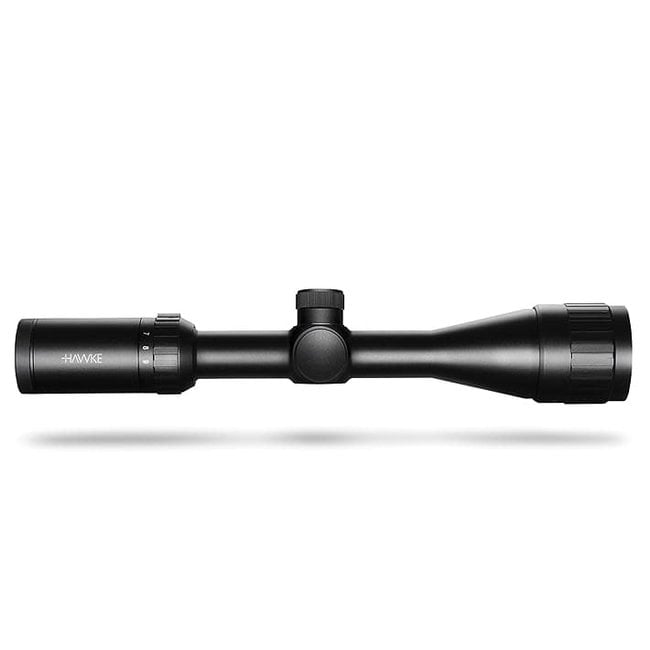
Many beginners start with iron sights, but adding ascope can make target shooting more enjoyable—especially if your eyesight isn’t perfect or you’re shooting at 15–30 meters.
Beginner-friendly optics tips
- Choose an airgun-rated scope: Spring/gas piston recoil is different than firearm recoil and can damage cheap optics.
- Start simple: A fixed 4x or a modest 3-9x is plenty for most under-500 FPS use.
- Mounts matter: Use the correct rings for your rail (11mm dovetail vs Picatinny) and consider a stop pin for springers.
Safety, Backstops, and Where You Can Shoot
Understanding canadian airgun laws also means thinking beyond purchase. Discharge rules are often municipal. Even in rural areas, you should plan for safety and noise:
- Use a proper backstop: A purpose-built pellet trap or a safe, dense backstop that can reliably stop pellets/BBs.
- Avoid hard surfaces: BBs in particular can ricochet; never shoot at metal or rocks without proper traps.
- Eye protection: Especially important for BB platforms and reactive targets.
- Storage: Store unloaded, secured, and inaccessible to unauthorized users (especially minors).
If you’re in a city, check local bylaws before firing anything in your backyard. “Under 500 FPS” doesn’t automatically mean “legal to shoot anywhere.”
Beginner Shopping Checklist: What to Buy With Your First Air Rifle
To avoid the common “I bought the rifle but can’t use it yet” problem, plan a complete kit:
- Air rifle: Choose your platform and ensure it fits your intended use
- Quality pellets or BBs: Pick the right type for your rifle (and grab spares)
- CO2 cartridges (if needed): Keep extras on hand
- Targets and backstop: Pellet trap, paper targets, or safe reactive targets
- Cleaning basics: Simple pull-through or appropriate cleaning tools (avoid over-cleaning)
- Optics (optional): An airgun-rated scope and correct mounts
Most new shooters benefit more from good pellets and a safe target setup than from upgrading power. Consistency is what builds skill.
Common Mistakes First-Time Buyers Make (and How to Avoid Them)
- Chasing FPS over accuracy: A slower, consistent rifle is often more fun than a “fast” one that’s hard to shoot well.
- Buying the wrong ammo: Not all pellets fit all barrels equally well—test a few types.
- Ignoring local bylaws: You can buy it legally and still be restricted from using it in your area.
- Skipping the backstop: Safety should be part of the budget, not an afterthought.
Recommended Starting Point: Stay Under 500 FPS and Build Skills
For many shoppers looking for a pellet gun no license option, the best path is to start with a well-reviewed rifle in the under-500 FPS category, learn safe handling and fundamentals, and then decide later if you want to move into higher-power models (which may involve different legal considerations).
If you want a curated place to begin, browseair rifles under 500 FPS, then narrow down by preference:pellet rifles for accuracy-focused shooting orBB rifles for fast-action plinking. Don’t forget to add the rightammunition and consider a beginner-friendlyscope if you want tighter groups right away.
Call to Action: Find Your First Air Rifle in Canada Today
Ready to choose a reliable, legal-friendly setup that matches your goals? Start by exploringair rifles under 500 FPS, then pick betweenpellet rifles andBB rifles. Add the properammunition and an airgun-ratedscope, and you’ll have a complete first-time kit that’s safe, fun, and built to grow with your skills.


