
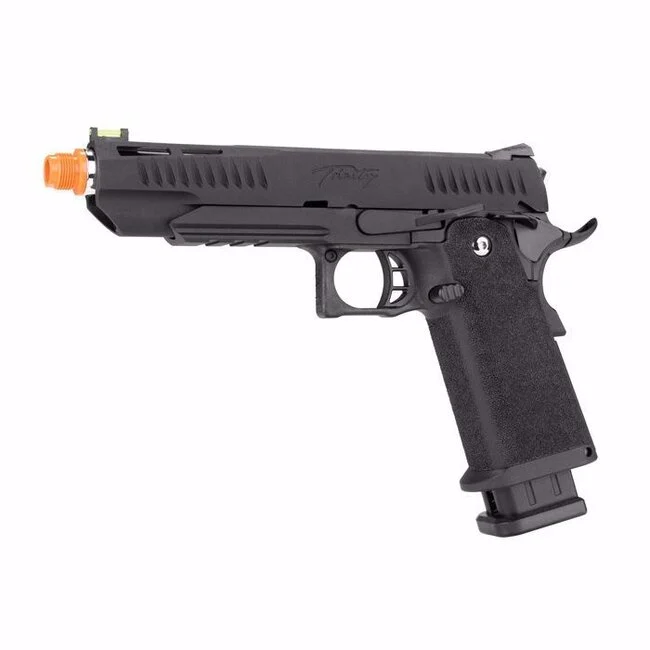
Canadian 6mm Airsoft Pistol Velocity Limits: 366-500 FPS Explained
Canadian 6mm Airsoft Pistol Velocity Limits: 366-500 FPS Explained
If you're new to airsoft in Canada or considering purchasing your first6mm airsoft pistol, understanding Canadian velocity regulations is absolutely critical. Unlike many countries where airsoft is strictly regulated or banned, Canada occupies a unique legal position with specific velocity requirements that determine whether your airsoft pistol is classified as a legal replica or a prohibited device.
The difference between legal and illegal isn't just technical—it has real consequences. Owning an airsoft pistol that falls outside Canada's velocity limits can result in seizure at the border, confiscation by law enforcement, and potentially serious legal penalties. This comprehensive guide will help you understand exactly what the 366-500 fps velocity window means, why it exists, how to measure it, and how to ensure your airsoft equipment remains compliant with Canadian law.
Understanding the Canadian Airsoft Velocity Window: 366-500 FPS
Canadian firearms law creates a specific velocity corridor for airsoft devices. To be legally imported, sold, and owned in Canada without a firearms license, an airsoft gun must meet these criteria:
Minimum Velocity: 366 feet per second (fps) with 0.20g BBs Maximum Velocity: 500 feet per second (fps) with 0.20g BBs
This seemingly arbitrary range has significant legal implications. Let's break down what happens at different velocity levels:
Below 366 FPS: Replica Firearms (Prohibited)
Airsoft guns shooting under 366 fps with 0.20g BBs are classified as "replica firearms" under Canadian law. Replica firearms closely resemble real firearms but lack sufficient velocity to be classified as actual firearms.
Paradoxically, this classification makes them prohibited devices in Canada. You cannot legally import, sell, or own airsoft guns that shoot below 366 fps if they resemble real firearms. The rationale is that realistic-looking replicas could be used to commit crimes or cause public alarm, while devices with higher velocities are considered sporting equipment rather than realistic props.
This prohibition catches many international buyers by surprise, as most countries allow low-velocity airsoft guns while restricting high-velocity ones. Canada does the opposite.
366-500 FPS: Uncontrolled Firearms (Legal)
Airsoft guns shooting between 366-500 fps with 0.20g BBs are classified as "uncontrolled firearms" or "unregulated airguns." This classification means:
- No firearms license required for purchase or ownership
- Legal to import from other countries (subject to CBSA inspection)
- Legal to sell in Canada without special dealer licensing
- Legal to transport (with reasonable precautions)
- Subject to safe storage regulations similar to other airguns
This is the legal sweet spot for Canadian airsoft. The vast majority of qualityairsoft pistols sold in Canada fall within this range.
Above 500 FPS: Firearms (Regulated)
Airsoft guns exceeding 500 fps with 0.20g BBs are classified as actual firearms under Canadian law. This classification requires:
- Possession and Acquisition License (PAL) to purchase and own
- Registration with the Canadian Firearms Program (in some cases)
- Compliance with all firearms storage, transportation, and handling regulations
- Restriction on where the device can be used
Very few airsoft pistols exceed 500 fps, as this level of velocity is uncommon in pistol platforms and generally unnecessary for airsoft gameplay. Most airsoft pistols naturally fall well below this threshold.
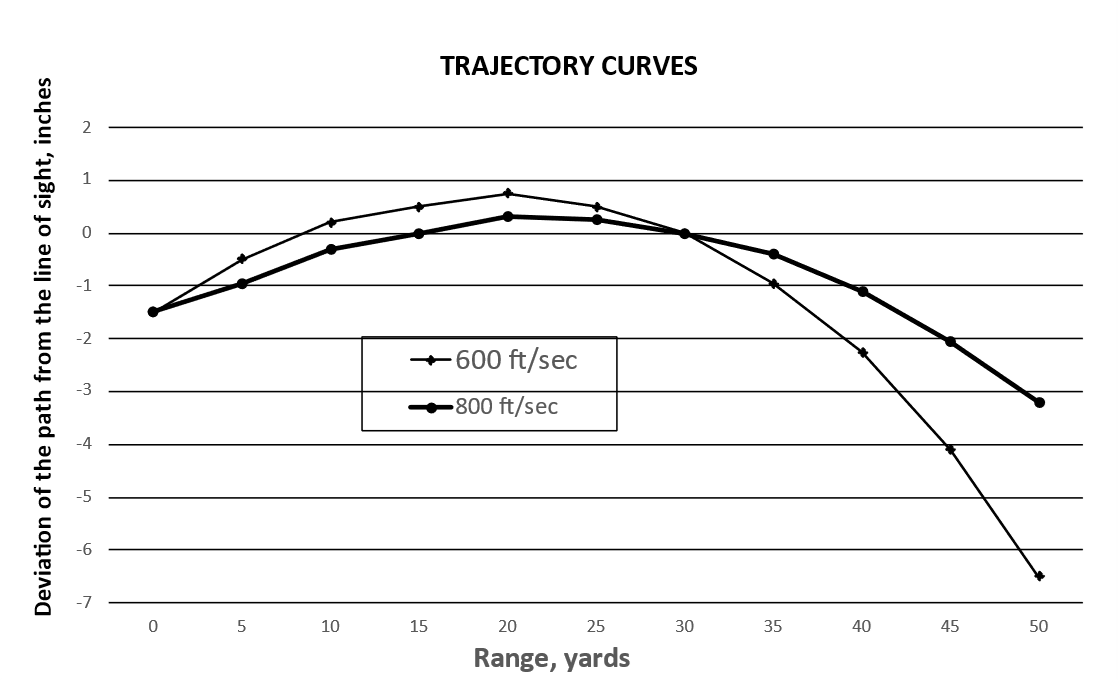
Why Does Canada Have These Specific Limits?
Understanding the reasoning behind Canada's unique velocity requirements helps clarify how the law is applied and interpreted.
The Legal Classification System
Canadian firearms law categorizes devices based on their kinetic energy and potential to cause harm. The classification system recognizes several tiers:
- Toys and low-velocity devices: Below 366 fps, considered too realistic if resembling real firearms
- Uncontrolled airguns: 366-500 fps, sufficient energy for sport but not requiring regulation
- Firearms: Above 500 fps, requiring licensing and regulation
- High-velocity firearms: Above specific thresholds requiring additional restrictions
The 366 fps minimum was established to ensure airsoft guns have sufficient velocity to be considered sporting equipment rather than realistic replicas. The 500 fps maximum was set to distinguish between unregulated airguns and devices powerful enough to require firearms licensing.
The Replica Firearm Problem
The prohibition on replica firearms stems from concerns about their potential misuse. Law enforcement and policymakers worried that realistic-looking replicas could:
- Be used to commit robberies or intimidation
- Create dangerous situations where police mistake replicas for real firearms
- Undermine public safety by normalizing the appearance of weapons
By requiring airsoft guns to have sufficient velocity to be classified as airguns rather than replicas, Canadian law attempts to distinguish between toys/props and functional sporting equipment.
International Comparison
Canada's approach differs significantly from other jurisdictions:
United States: Generally unregulated at the federal level, with state and local laws varying widely. Most jurisdictions allow any velocity but may have age restrictions or orange tip requirements.
United Kingdom: Heavily regulated, with strict velocity limits (typically 328 fps for pistols) and licensing requirements for retailers. Two-tone coloring required for non-licensed buyers.
European Union: Varies by country, but generally restricts velocities to 328-400 fps for unlicensed ownership, opposite Canada's approach.
Australia: Strictly prohibited in most states and territories, with limited exceptions.
Canada's system is unique in requiring minimum velocity while capping maximum velocity, creating a specific legal corridor.
Measuring Velocity: How FPS Is Determined
Understanding how velocity is measured is crucial for ensuring compliance, whether you're purchasing, importing, or modifying airsoft equipment.
Chronograph Basics
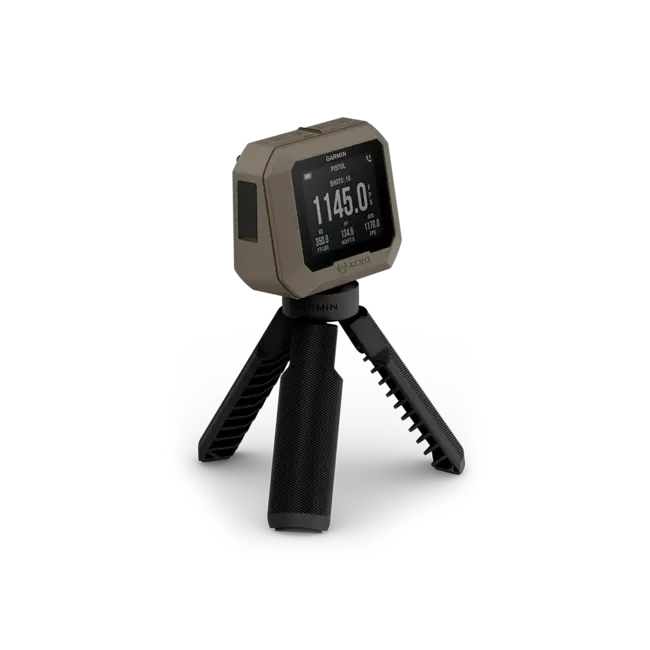
Velocity is measured using a chronograph—a device that calculates projectile speed by measuring the time it takes to pass between two sensors. Quality chronographs provide readings in feet per second (fps), meters per second (m/s), or both.
For legal compliance in Canada, velocity must be measured with:
Standard BB Weight: 0.20g BBs (the industry standard for chronograph testing) Proper Conditions: Room temperature (approximately 20°C/68°F) Clean Barrel: No obstructions or residue affecting velocity Proper Gas Fill: For gas pistols, magazines should be adequately filled
Velocity can vary based on numerous factors, so multiple shots should be measured and averaged for accuracy.
Factors Affecting Velocity Readings
Several variables can cause velocity measurements to fluctuate:
Temperature: Gas-powered pistols are particularly sensitive to temperature. Cold weather reduces gas pressure, lowering fps. Hot weather increases pressure, raising fps. Temperature swings of 20°C can change velocity by 50+ fps in gas pistols.
Gas Type: Green gas, red gas, and CO2 produce different velocities in the same pistol. CO2 generally produces higher fps than green gas.
BB Weight: Heavier BBs result in lower fps readings. This is why 0.20g is the legal standard—it provides a consistent baseline. If you chronograph with 0.25g BBs, your actual velocity with 0.20g BBs will be higher.
Barrel Length: Longer barrels generally increase velocity by allowing more time for gas expansion or spring compression to accelerate the BB.
Hop-Up Setting: Excessive hop-up can slightly reduce velocity by creating friction as the BB exits the barrel.
Magazine Fill Level: Gas magazines with low gas levels produce lower velocities.
Wear and Maintenance: Worn seals, dirty barrels, and degraded hop-up buckings can all reduce velocity over time.
Converting Between FPS and Joules
Some countries measure airsoft velocity in joules (energy) rather than fps (velocity). Understanding the conversion helps when purchasing international products or comparing specifications.
The formula to convert fps (with 0.20g BBs) to joules is:
Joules = (fps² × 0.20) / 2,320
For the Canadian legal limits:
- 366 fps with 0.20g = approximately 1.13 joules
- 500 fps with 0.20g = approximately 2.10 joules
When evaluating international airsoft products, joule measurements help determine Canadian compliance:
- Products rated at 1.1-2.0 joules typically fall within Canadian limits
- Products below 1.0 joules are likely below 366 fps (illegal as replicas)
- Products above 2.1 joules exceed 500 fps (regulated as firearms)
Ensuring Your Airsoft Pistol Is Compliant
Whether you're buying locally, importing, or modifying existing equipment, ensuring compliance requires attention to several key areas.
Buying from Canadian Retailers
Purchasing from reputable Canadian6mm airsoft retailers is the simplest way to ensure compliance. Established Canadian retailers:
- Stock only pistols that meet the 366-500 fps requirement
- Chronograph products before sale (in many cases)
- Understand Canadian regulations and ensure compliance
- Provide documentation showing compliance if needed
- Offer customer support for compliance questions
When buying domestically, verify that the retailer explicitly states the pistol meets Canadian velocity requirements. Reputable sellers prominently display this information in product descriptions.
Importing from International Sellers
Importing airsoft pistols from outside Canada involves additional risks and considerations. The Canada Border Services Agency (CBSA) inspects imported airsoft guns and will:
- Chronograph the device at the border
- Seize devices falling outside 366-500 fps
- Provide no refund or compensation for seized items
- Potentially investigate recipients of prohibited devices
Import Tips:
- Verify Velocity: Confirm with the seller that the product meets Canadian requirements (366-500 fps with 0.20g BBs)
- Request Documentation: Ask for chronograph results or specifications showing compliance
- Consider Gas Type: If the seller chronographs with green gas but you'll use CO2, account for the velocity increase (typically 30-50 fps)
- Factor in Temperature: Products chronographed in warm climates may shoot hotter; those tested in cold conditions may shoot weaker
- Use Reputable Sellers: Established international retailers familiar with Canadian regulations are more reliable
- Accept the Risk: Understand that even compliant products can be seized if CBSA testing produces out-of-range results
- Check Retailer Policies: Some international retailers offer velocity modifications or won't ship to Canada to avoid complications
Chronographing Your Own Equipment
If you own airsoft pistols or are considering purchases, investing in a chronograph ($50-200) provides peace of mind. Regular chronographing helps you:
- Verify initial compliance when receiving new equipment
- Monitor velocity changes over time as components wear
- Detect problems like gas leaks or seal degradation
- Ensure continued compliance after modifications or upgrades
- Prepare for field play (most airsoft fields require chronographing)
Home Chronographing Best Practices:
- Use quality 0.20g BBs for accurate readings
- Take multiple readings (5-10 shots minimum) and average them
- Chronograph in consistent conditions (same temperature, fresh gas)
- Document results with date and conditions
- Re-chronograph seasonally or after maintenance
- Understand your pistol's normal velocity range
Velocity Modifications and Upgrades
Many airsoft enthusiasts upgrade or modify their pistols to improve performance. Any modification affecting velocity requires careful consideration of Canadian legal limits.
Upgrades That Increase Velocity:
- Tighter bore barrels
- Upgraded springs (in AEPs)
- Stronger gas magazine valves
- Better seals and o-rings
- Longer inner barrels
Upgrades That Decrease Velocity:
- Ported cylinders
- Reduced-power springs
- Valve flow restrictors
- Shorter barrels
If modifications push your pistol below 366 fps or above 500 fps, you've created a legally problematic device. Always chronograph after modifications to verify continued compliance.
The Grey Areas and Common Questions
Canadian airsoft law has some ambiguous areas that frequently cause confusion.
What If My Pistol Varies Between 365-367 FPS?
Velocity isn't perfectly consistent. Your pistol might shoot 364 fps on one shot and 368 fps on the next due to minor variations in gas pressure, BB weight, or environmental conditions.
Canadian Border Services Agency typically uses average velocity over multiple shots. If your average is 366+ fps, you're likely compliant even if individual shots dip below. However, there's no official tolerance—legally, every shot should meet the minimum.
Best Practice: Aim for an average of 370-380 fps to provide a buffer against temperature variations and aging components. This keeps you comfortably above 366 fps even when conditions aren't optimal.
What About Adjustable Velocity Systems?
Some airsoft pistols feature adjustable velocity systems (often called "power adjustment" or "fps adjustment"). These systems allow users to increase or decrease velocity by adjusting gas flow or spring tension.
Legally, the question is whether the pistol can shoot outside the legal range, not whether it's set to do so. If your pistol can be adjusted to shoot below 366 fps or above 500 fps, it's technically capable of creating a prohibited or regulated device.
However, enforcement focuses on actual velocity when tested, not theoretical capability. If CBSA chronographs an adjustable pistol and it's shooting in the legal range, it will typically pass inspection.
Best Practice: When importing or transporting, ensure adjustable pistols are set to mid-range velocities (400-450 fps) to avoid testing at either extreme.
Can I Own a Pistol Outside the Legal Range If I Don't Use It?
No. The prohibition isn't on use—it's on possession. Owning an airsoft pistol that shoots below 366 fps (and resembles a real firearm) is illegal regardless of whether you ever fire it. Similarly, possessing a pistol exceeding 500 fps without proper firearms licensing is illegal.
What About Clear/Transparent Pistols?
Clear or transparent airsoft pistols that don't realistically resemble real firearms may not be subject to replica firearm prohibitions even if they shoot below 366 fps. However, this is a legal grey area.
The replica firearm prohibition applies to devices that closely resemble real firearms. Brightly colored or clear airsoft guns might not meet this criterion. However, CBSA has discretion in determining what constitutes "closely resembles," and interpretations vary.
Best Practice: Even with clear or colored pistols, aim for 366+ fps to avoid potential legal complications.
Do Fields Allow Full 366-500 FPS Velocities?
While Canadian law permits up to 500 fps for legal ownership, airsoft fields typically impose lower limits for safety:
- CQB/Indoor Fields: Usually 300-350 fps maximum with minimum engagement distances
- Outdoor Fields: Typically 350-400 fps for pistols, 400-450 fps for rifles
- MilSim Events: May allow higher velocities but with strict engagement distance rules
Your pistol can be legally compliant at 450 fps but field-illegal for actual play. Always check field-specific rules before attending games.
What About Bringing Airsoft Pistols Across Provincial Lines?
Airsoft regulations are primarily federal, so a legally compliant pistol in one province is compliant in all provinces. However, some municipalities have bylaws restricting discharge or use of airsoft guns within city limits.
Transportation regulations apply universally: airsoft guns should be transported unloaded, in cases, separate from ammunition (BBs), and not readily accessible while in vehicles.
Practical Velocity Management Strategies
Experienced Canadian airsoft players develop strategies to maintain compliance while optimizing performance.
The 400 FPS Sweet Spot
Many Canadian players target approximately 400 fps with 0.20g BBs. This velocity:
- Sits comfortably in the middle of the legal range
- Provides buffer against temperature-related velocity drops
- Remains well below the 500 fps ceiling even with velocity increases
- Meets most field requirements for pistol play
- Offers good performance with 0.25g-0.28g BBs
At 400 fps with 0.20g BBs, using 0.25g BBs reduces velocity to approximately 360 fps—still legal but at the lower edge. This demonstrates why mid-range velocities provide more flexibility.
Seasonal Considerations for Gas Pistols
Gas-powered pistols experience significant velocity variations with temperature changes. Canadian players deal with temperature extremes:
Summer Strategy (25-35°C):
- Gas pressure is high, increasing velocity
- May need to use heavier BBs (0.28g-0.30g) to reduce fps
- Risk of exceeding field limits is higher
- Monitor chronograph readings more frequently
Winter Strategy (-10 to +10°C):
- Gas pressure drops significantly
- May need lighter BBs (0.20g-0.23g) to maintain velocity
- Risk of dropping below 366 fps is real
- Some players switch to CO2 magazines for better cold-weather performance
- Indoor play becomes more attractive
Transition Seasons (10-25°C):
- Moderate temperatures provide most consistent performance
- Standard BB weights (0.25g-0.28g) work well
- Minimal velocity management needed
Documentation and Record-Keeping
Maintaining records of your pistol's velocity helps demonstrate compliance if questioned:
- Chronograph Results: Date, temperature, gas type, BB weight, average fps
- Purchase Documentation: Receipts showing purchase from legitimate Canadian sources
- Modification Records: What upgrades were installed and resulting velocity changes
- Field Chronograph Slips: Many fields provide paper slips showing your chronograph results
While not legally required, this documentation can help if you're questioned by authorities or need to prove compliance during border crossings.
Consequences of Non-Compliance
Understanding the potential legal consequences of possessing non-compliant airsoft pistols underscores the importance of compliance.
Border Seizures
The most common consequence of non-compliance occurs at the border. CBSA chronographs imported airsoft guns, and those falling outside 366-500 fps are seized. This results in:
- Complete loss of the product (no return or refund)
- Loss of shipping costs
- Potential customs fees already paid
- Documentation of the attempted import
- Possible investigation for repeated attempts
CBSA doesn't distinguish between innocent mistakes and intentional smuggling—non-compliant devices are seized regardless of intent.
Domestic Possession
If found in possession of an airsoft pistol shooting below 366 fps (replica firearm), potential consequences include:
- Seizure of the device
- Criminal charges for possessing a prohibited device
- Fines up to $5,000 for summary conviction
- Potential imprisonment for indictable offenses
- Criminal record affecting employment and travel
While enforcement varies and many cases result in warnings or administrative seizure rather than criminal prosecution, the legal risk is real.
Field Liability
Using an over-velocity pistol at airsoft fields can result in:
- Immediate ejection from the field
- Temporary or permanent bans
- Liability for injuries if your overpowered pistol causes harm
- Negative reputation in the airsoft community
Fields take chronographing seriously because their insurance and legal standing depend on enforcing safety limits.
Velocity Testing at Airsoft Fields
Most organized airsoft venues require chronograph testing before allowing players on the field. Understanding field chronograph procedures helps ensure smooth check-in.
What to Expect
Check-In Process:
- Present yourairsoft pistol to field staff
- They'll load your pistol with field-provided 0.20g BBs
- Fire several shots through the chronograph
- Staff records your average velocity
- Receive a colored tag or wristband indicating compliance
- Your pistol must keep this tag during play
Common Field Limits:
- Semi-auto pistols: 350-400 fps with 0.20g BBs
- Full-auto pistols: 300-350 fps with 0.20g BBs
- Minimum engagement distances: 10-25 feet depending on velocity
Failed Chronograph Tests
If your pistol shoots over the field limit (but under 500 fps for legal compliance), options include:
- Switch to Heavier BBs: Using 0.25g or 0.28g BBs reduces velocity without modifying the pistol
- Reduce Gas Fill: For gas pistols, slightly under-filling magazines can reduce velocity
- Adjust Power Settings: If your pistol has adjustable velocity, decrease it
- Accept Longer Minimum Engagement Distance: Some fields allow higher velocities with increased MEDs
- Use a Different Pistol: Bring a backup that meets field requirements
Fields cannot allow obviously over-velocity pistols regardless of player preferences. Safety limits are non-negotiable.
The Future of Canadian Airsoft Regulations
Canadian airsoft regulations have remained relatively stable, but players should stay informed about potential changes.
Current Regulatory Climate
As of 2026, the 366-500 fps velocity window remains unchanged. Previous attempts to modify airsoft regulations have not resulted in legislation changes, and the current system appears stable.
However, incidents involving airsoft guns being mistaken for real firearms periodically prompt calls for stricter regulation. The airsoft community's commitment to responsible use, safety, and self-regulation helps maintain the current favorable legal environment.
Best Practices for Community Advocacy
Canadian airsoft players can help maintain favorable regulations by:
- Playing Responsibly: Following all field rules and safety protocols
- Transporting Discreetly: Using proper cases and avoiding public display
- Educating Others: Helping new players understand legal requirements
- Engaging with Fields: Supporting legitimate fields and organized play venues
- Avoiding Public Play: Not using airsoft guns in public spaces, parks, or streets
- Maintaining Compliance: Ensuring all equipment meets legal requirements
Responsible community behavior reduces negative incidents that could prompt regulatory tightening.
Conclusion: Navigating Canadian Velocity Requirements Successfully
Understanding Canada's unique 366-500 fps velocity requirement forairsoft pistols is essential for every Canadian airsoft player. While the legal corridor may seem narrow and somewhat arbitrary, it creates a clear framework for legal airsoft ownership and use.
Key Takeaways:
- Legal Range: 366-500 fps with 0.20g BBs for unregulated ownership
- Below 366 fps: Prohibited as replica firearms if resembling real guns
- Above 500 fps: Regulated as actual firearms requiring PAL
- Target Velocity: Aim for 380-420 fps for optimal compliance buffer
- Regular Testing: Chronograph your pistols periodically to verify compliance
- Buy Domestically: Canadian retailers ensure pre-checked compliance
- Import Carefully: International purchases carry seizure risk
- Field Compliance: Most fields require lower velocities than legal maximums
- Temperature Matters: Gas pistols vary significantly with weather
- Documentation Helps: Keep records of chronograph results and purchases
By understanding these regulations, measuring velocity accurately, and maintaining compliant equipment, Canadian airsoft enthusiasts can enjoy their sport while staying well within legal boundaries. The 366-500 fps velocity window isn't a limitation—it's the framework that allows airsoft to exist legally in Canada. Embrace it, understand it, and you'll navigate Canadian airsoft regulations successfully for years to come.


