
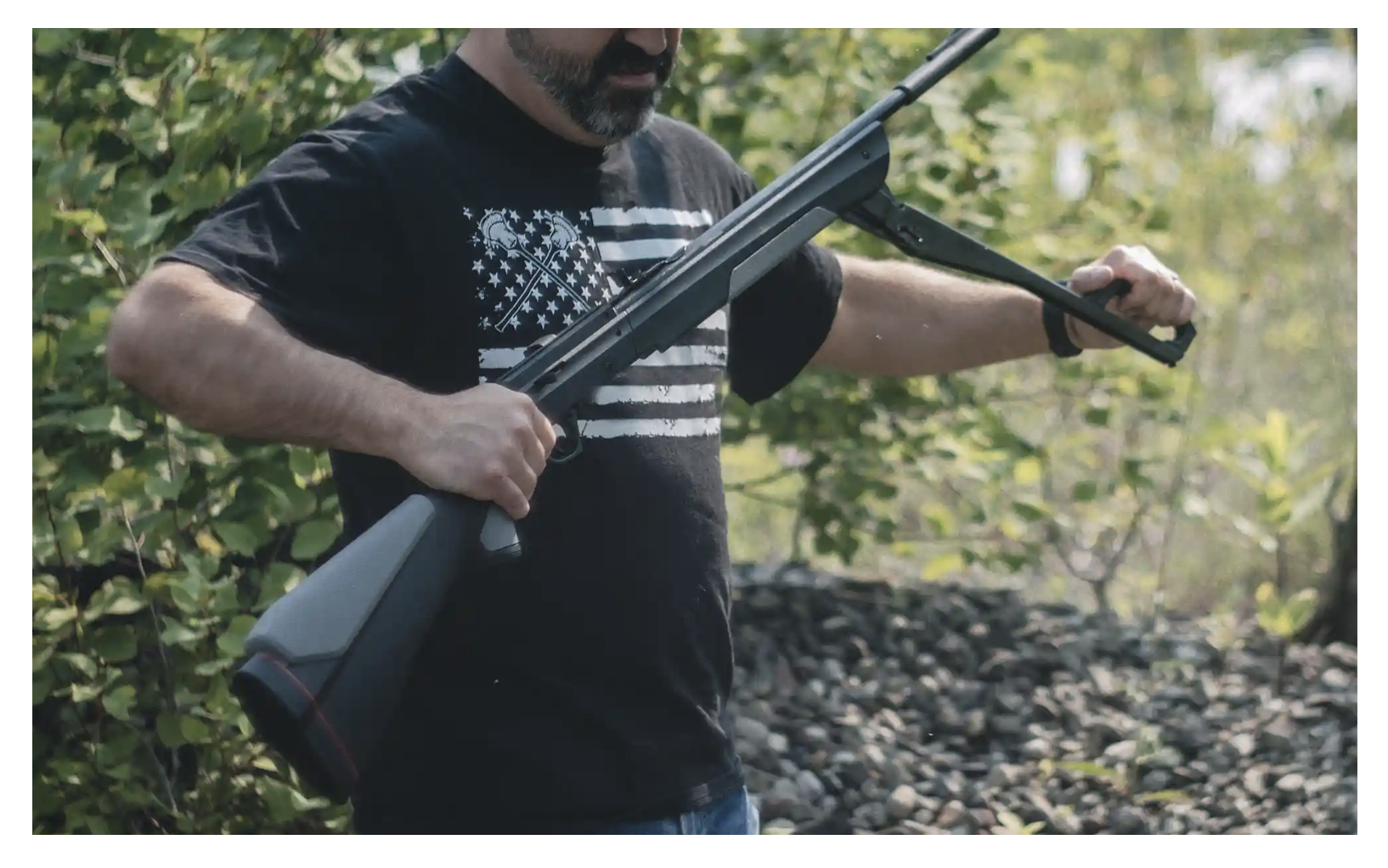
How Many Pumps? Finding the Optimal Power for Different Shooting Distances
One of the most appealing features of multi-pump pneumatic air rifles is their adjustable power capability. Unlike fixed-power airguns, multi-pump rifles let you control velocity by varying the number of pumps per shot. But this versatility raises an important question: how many pumps should you use for different shooting scenarios? Understanding the relationship between pump count, power output, and shooting distance is essential for maximizing accuracy, extending your rifle's lifespan, and achieving consistent results.

Understanding Multi-Pump Power Dynamics
Before diving into specific pump recommendations, it's important to understand how multi-pump pneumatic systems work. Each stroke of the pump lever compresses air into the rifle's internal reservoir. As you add more pumps, the pressure increases, which translates to higher pellet velocity when you pull the trigger.
However, this relationship isn't perfectly linear. The first few pumps make dramatic differences in velocity, while subsequent pumps yield diminishing returns. For example, going from 3 to 4 pumps might add 80 feet per second (fps), but going from 9 to 10 pumps might only add 30 fps. This is due to the physics of gas compression and the limitations of the rifle's valve system.
Mostmulti-pump air rifles are designed to operate safely and efficiently within a range of 3 to 10 pumps, with some models allowing up to 12 or more. Always consult your manufacturer's guidelines for the maximum recommended pump count to avoid damaging internal seals and valves.
The Science of Pump Count and Velocity
Understanding the velocity curve of your specific rifle is crucial for optimal performance. While exact numbers vary by model, here's a general velocity progression for a typical .177 caliber multi-pump rifle:
- 3 pumps: ~450-500 fps
- 4 pumps: ~520-570 fps
- 5 pumps: ~580-630 fps
- 6 pumps: ~630-680 fps
- 7 pumps: ~670-720 fps
- 8 pumps: ~700-750 fps
- 9 pumps: ~730-780 fps
- 10 pumps: ~750-800 fps
Notice how the velocity gains become smaller with each additional pump. This diminishing return is why experienced shooters carefully balance power needs against the physical effort required.
Optimal Pump Counts for Different Distances
Close Range Target Shooting (10-20 Yards)
Recommended Pump Count: 3-5 pumps
For shooting paper targets, spinners, or plinking at close distances, fewer pumps are ideal. Lower velocities at close range offer several advantages:
Reduced Noise: Fewer pumps mean quieter shots, which is important for backyard shooting where noise concerns exist. Lower velocities keep the pellet well below the sound barrier, eliminating the supersonic crack.
Less Target Damage: Paper targets last longer when pellets arrive with less energy. Metal spinners and reactive targets also experience less wear and tear.
Better Learning Environment: New shooters benefit from reduced noise and recoil, allowing them to focus on fundamentals like sight alignment, trigger control, and breathing.
Cost Efficiency: Using fewer pumps means less physical effort and faster shooting sessions, making practice more enjoyable and sustainable.
At 15 yards with 4 pumps, most quality multi-pump rifles will shoot one-hole groups, demonstrating that maximum power isn't necessary for accuracy at close range.
Medium Range Plinking and Pest Control (25-40 Yards)
Recommended Pump Count: 6-8 pumps
Medium-range shooting requires a balance between power and practicality. This distance range is common for backyard pest control (sparrows, starlings) and casual target shooting where you want meaningful ballistic performance without maximum effort.
Flatter Trajectory: The increased velocity from 6-8 pumps provides a flatter trajectory, reducing the amount of holdover or sight adjustment needed. This makes hitting small targets more intuitive and consistent.
Adequate Energy: For pest control at these distances, 6-8 pumps typically deliver 8-12 foot-pounds of energy at the target—sufficient for humane, quick dispatches of small birds and rodents.
Sustainable Effort: While more demanding than 3-5 pumps, this range remains comfortable for extended shooting sessions without excessive fatigue.
Wind Resistance: Higher velocity pellets are less affected by wind drift, an important consideration for outdoor shooting at these distances.
Many shooters find that 7 pumps represents the "sweet spot" for general-purpose shooting—enough power for effective performance without excessive pumping effort.
Long Range Shooting and Small Game Hunting (45-60 Yards)
Recommended Pump Count: 9-10 pumps (maximum)
When shooting at extended ranges or hunting small game like squirrels and rabbits, maximum power becomes necessary. These situations demand every bit of velocity yourmulti-pump air rifle can deliver.
Energy Retention: Pellets lose velocity and energy as they travel. Starting with maximum velocity ensures adequate energy remains at the target for clean, ethical harvests.
Trajectory Management: At 50+ yards, every bit of velocity helps flatten the trajectory, making range estimation less critical and increasing your effective hit probability.
Wind Deflection: Higher velocity pellets spend less time in flight, reducing the wind's influence on their path.
Penetration: For hunting applications, maximum velocity ensures adequate penetration for quick, humane kills.
However, using maximum pumps for every shot comes with trade-offs. The physical effort is considerable, your rate of fire decreases significantly, and you'll experience more wear on the rifle's seals and components over time.

Factors That Influence Optimal Pump Count
Pellet Weight and Design
Heavier pellets require more pumps to achieve similar velocities as lighter ones. A 7.9-grain .177 pellet will exit faster than a 10.5-grain pellet with the same pump count. However, heavier pellets often retain energy better downrange and can be more accurate in windy conditions.
Pellet design also matters. Pointed pellets penetrate better for hunting, while wadcutter designs are optimized for target shooting. Hollow points expand on impact but typically require higher velocities to perform properly, meaning more pumps for hunting applications.
Rifle Condition and Maintenance
A well-maintained rifle will deliver consistent velocities with fewer pumps than one with worn seals or poor lubrication. Regular maintenance ensures efficient air compression and release, maximizing performance across all pump counts.
If you notice your rifle requiring more pumps than usual to achieve the same velocity, it may indicate worn seals that need replacement. Addressing maintenance issues promptly protects your investment and ensures consistent performance.
Environmental Conditions
Temperature affects air density, which influences both internal compression and external ballistics. Cold weather can reduce velocity slightly, while warm conditions may increase it. Experienced shooters account for these variations when determining optimal pump counts.
Wind is perhaps the most significant environmental factor. Strong winds may require you to increase pump counts by 1-2 strokes to maintain accuracy, as the higher velocity reduces wind drift.
Shooting Position and Stability
Your shooting position affects how much pumping effort you can comfortably manage. Shooting from a bench rest allows for maximum pumps without fatigue concerns. However, if you're shooting offhand or from awkward positions, reducing pump count by 1-2 strokes can help you maintain stability and focus on shot execution rather than recovering from pumping exertion.
Practical Pump Count Strategy Guide
For Target Shooters
Consistency is king in target shooting. Choose a pump count that you can replicate precisely for every shot. Many competitive shooters prefer 6-7 pumps because it's sustainable during long practice sessions while providing excellent accuracy.
Pro Tip: Count your pumps aloud or develop a rhythmic pumping cadence. This helps ensure consistency, which is more important than raw power for target accuracy.
For Pest Controllers
Pest control requires quick follow-up shots and adequate power. A practical approach is to pump 7 times for regular shots and reserve maximum pumps for longer-range opportunities.
Keep your rifle pre-pumped when waiting for pests, but remember that leaving an air rifle pressurized for extended periods can degrade seals. If you haven't taken a shot within 30 minutes, fire and repump when needed.
For Small Game Hunters
Ethical hunting demands adequate power for clean kills. Use maximum pumps (typically 10) for all hunting shots, even if the animal is closer than expected. Over-penetration is far better than wounding and losing an animal due to insufficient power.
Important: Always know your rifle's effective range at maximum pumps. Just because you can pump 10 times doesn't mean you should attempt 70-yard shots. Most multi-pump rifles have an ethical hunting range of 40-50 yards, even at maximum power.
For Youth and Beginning Shooters
Start new shooters with 3-4 pumps to minimize noise, recoil, and intimidation. As skills and confidence grow, gradually increase pump counts. This progressive approach builds proper technique and maintains enthusiasm without overwhelming beginners.
Children should only pump as many times as they can comfortably manage while maintaining proper form. Don't pressure young shooters to use maximum pumps—skill development matters more than raw power.
Creating Your Personal Pump Count Reference
The most effective way to optimize your shooting is to create a personalized ballistic reference for your specific rifle and preferred pellets. Here's how:
- Chronograph Testing: Use a chronograph to measure actual velocities at different pump counts with your chosen pellets. This data reveals your rifle's unique velocity curve.
- Zero Your Sights: Pick your most common shooting distance (usually 25-30 yards) and pump count (typically 6-8 pumps), then zero your sights at this configuration.
- Map Your Trajectories: Shoot groups at various distances (15, 25, 35, 45 yards) with different pump counts, recording point of impact relative to your zero. This creates a holdover/holdunder reference chart.
- Document Everything: Keep a shooting log noting pump count, distance, pellet type, and group size. Over time, patterns emerge that reveal your optimal configurations for different scenarios.
- Practice Consistently: Regular practice with your chosen pump counts develops muscle memory, making field performance more reliable.
Common Pump Count Mistakes to Avoid
Over-Pumping for Every Shot
Using maximum pumps for all shooting situations is the most common mistake. It's unnecessarily fatiguing, reduces your shooting volume, and accelerates wear on rifle components. Match pump count to the task at hand.
Inconsistent Pumping
Varying pump counts randomly destroys accuracy potential. If you pump 7 times for one shot and 5 times for the next at the same target, your point of impact will shift significantly. Consistency is crucial.
Ignoring Manufacturer Limits
Exceeding the recommended maximum pump count can damage seals, valves, and the compression chamber. These repairs are expensive and entirely preventable by following guidelines.
Pumping Too Quickly
Rapid, jerky pumping can introduce accuracy errors and may not fully compress the air. Use smooth, deliberate strokes for optimal and consistent compression.
Leaving Rifle Pressurized
Storing yourmulti-pump air rifle with air pressure in the chamber degrades seals over time. Always fire your rifle to depressurize it before storage.
Maximizing Efficiency and Accuracy
The key to multi-pump rifle mastery is understanding that more power isn't always better—appropriate power is what matters. By matching pump count to distance, target type, and shooting purpose, you'll achieve better accuracy, reduce fatigue, extend your rifle's lifespan, and enjoy more productive shooting sessions.
Consider creating different "modes" for your shooting:
- Practice Mode: 4-5 pumps for extended backyard sessions
- Precision Mode: 6-7 pumps for your primary zero distance
- Power Mode: 9-10 pumps for hunting and maximum-range shooting
This systematic approach transforms the question "how many pumps?" from a source of uncertainty into a tactical decision that enhances your shooting performance.
Conclusion: Power with Purpose
The adjustable power of multi-pump pneumatic air rifles is both their greatest strength and their primary challenge. Unlike fixed-power airguns where you simply aim and shoot, multi-pump rifles require you to think critically about each shot's requirements and adjust accordingly.
By understanding the relationship between pump count, velocity, and shooting distance, you can optimize every shot for accuracy, efficiency, and effectiveness. Whether you're shooting paper targets at 15 yards with 4 pumps or hunting squirrels at 45 yards with 10 pumps, making informed decisions about power levels elevates your shooting from casual plinking to skilled marksmanship.
Start by experimenting with different pump counts at various distances, pay attention to what works best for your specific rifle and shooting style, and develop consistent practices that you can replicate reliably. With experience, determining the optimal pump count becomes second nature—an instinctive decision that happens as naturally as shouldering your rifle.
Remember, the goal isn't to use maximum power; it's to use appropriate power. Master this principle, and you'll unlock the full potential of your multi-pump air rifle, enjoying improved accuracy, reduced fatigue, and greater shooting satisfaction across all your airgun adventures.


