
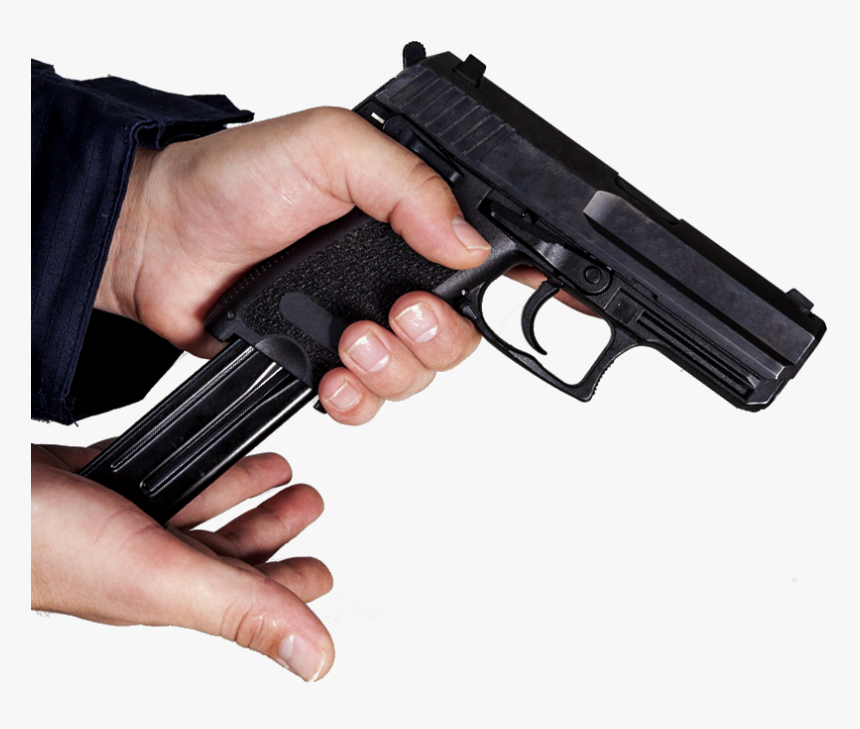
How 6mm BB Feeding Systems Work in Airsoft Pistols: A Complete Technical Guide
If you've ever wondered how those tiny 6mm BBs travel from your magazine into the chamber of your airsoft pistol with such precision, you're not alone. Understanding the feeding system in your airsoft sidearm isn't just academic curiosity—it's essential knowledge that can help you troubleshoot malfunctions, maintain your pistol properly, and make informed purchasing decisions.
Whether you're shopping for your first6mm airsoft pistol or you're a veteran player looking to understand the mechanics behind your favorite sidearm, this comprehensive guide will walk you through everything you need to know about BB feeding systems.
The Basics: What Makes a BB Feeding System?
At its core, a BB feeding system is the mechanical pathway that transports 6mm plastic BBs from storage (your magazine) to the firing position (the chamber or hop-up unit). Unlike real firearms that deal with cartridges containing propellant, airsoft pistols must reliably feed lightweight, spherical projectiles through a precisely engineered system.
The feeding system consists of several key components working in harmony:
- Magazine reservoir: Where BBs are stored
- Feed lips: The interface between magazine and pistol
- Magazine spring or gas pressure: The force that pushes BBs upward
- Feed ramp or nozzle: Guides BBs into the hop-up chamber
- Hop-up unit: Applies backspin and feeds into the barrel
- Follower: Tracks BB count and maintains pressure
Each component must function flawlessly for reliable cycling, and understanding how they interact will help you diagnose issues and optimize performance.
Magazine Types and Their Feeding Mechanisms
Airsoft pistol magazines come in several varieties, each with distinct feeding characteristics that affect reliability, capacity, and maintenance requirements.
Spring-Powered Magazines
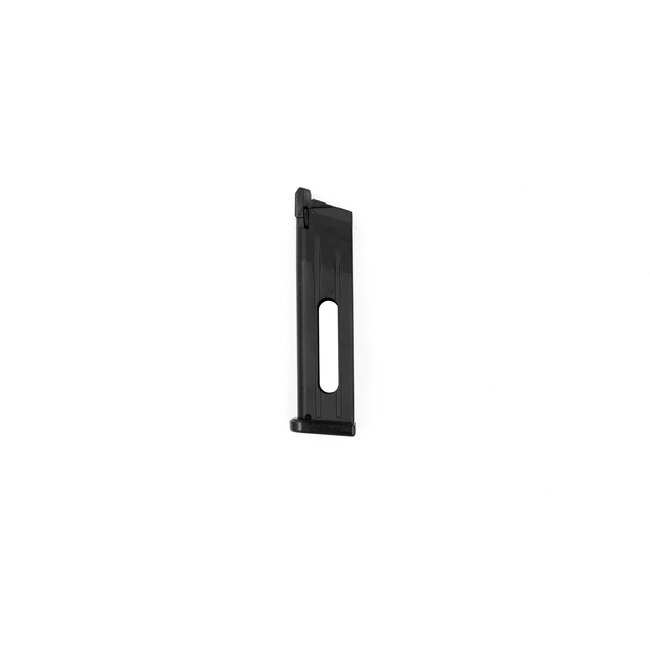
Spring magazines are the most common and reliable feeding system in airsoft pistols. They operate using a simple but effective mechanical principle: a compressed spring pushes a follower plate upward, creating constant pressure that feeds BBs toward the feed lips.
How Spring Magazines Work:
When you load BBs into a spring magazine, you're compressing a spring located at the bottom of the magazine body. This spring pushes against a follower—a plastic or metal plate that sits beneath the BB stack. As each BB is fed into the pistol, the spring expands slightly, maintaining consistent upward pressure on the remaining BBs.
The beauty of spring magazines lies in their simplicity and reliability. They work in any temperature, require no gas or batteries, and provide consistent feeding pressure throughout the magazine's capacity. However, they typically hold fewer rounds (15-30 BBs) compared to high-capacity alternatives.
Gas Magazines
Gas-powered magazines use a different approach entirely. These magazines store both BBs and propellant gas (green gas, CO2, or red gas) in the same unit. The gas serves a dual purpose: providing the pressure to propel the BB and creating the force needed to feed the next round.
The Gas Magazine Cycle:
When you pull the trigger on a gas blowback pistol, several things happen simultaneously. A portion of the stored gas is released to propel the BB down the barrel. This same gas release creates pressure that cycles the slide backward. As the slide returns forward (either from a spring or gas pressure), it strips the next BB from the magazine's feed lips and pushes it into the chamber.
Gas magazines typically feature a valve system at the top of the magazine that interfaces with the pistol's loading nozzle. Each trigger pull opens this valve momentarily, releasing enough gas to fire and cycle the action. The BBs themselves are still held in place by a spring-loaded follower, but the gas pressure assists in the feeding process, especially during rapid fire.
This dual-purpose system creates the realistic blowback action that many players prefer, but it comes with trade-offs. Gas magazines are temperature-sensitive, require regular maintenance, and can experience inconsistent feeding in cold weather when gas pressure drops.
High-Capacity (Hi-Cap) Magazines
While less common in airsoft pistols than in rifles, some pistol designs incorporate high-capacity magazine systems. These magazines use a wind-up spring mechanism similar to a clock spring to provide feeding pressure for 50+ BBs.
The user must periodically wind a wheel at the bottom of the magazine to tension the spring, which feeds BBs through an internal channel to the feed lips. While these magazines offer extended capacity, they're bulkier, produce a distinctive rattling sound when BBs are loose, and require manual winding during gameplay.
The Feeding Cycle: Step-by-Step Process
Understanding the complete feeding cycle helps identify where problems might occur. Let's break down what happens from the moment you pull the trigger to when the next BB is ready to fire.
Step 1: Initial BB Position
Before firing, a BB sits at the top of your magazine, held in place by the magazine spring pressure and positioned between the feed lips. The feed lips are precisely machined or molded channels that guide the BB into proper alignment with the pistol's loading mechanism.
Step 2: Slide/Bolt Cycle Initiation
When you fire the pistol, the slide or bolt begins moving rearward (in blowback designs) or the firing mechanism cycles (in fixed-slide designs). This rearward movement creates the space needed for the next BB to be fed.
In gas blowback pistols, gas pressure drives this movement. In electric pistols (AEPs), a motor-driven piston creates the necessary cycling. Spring pistols require manual cycling by the shooter.
Step 3: BB Stripping and Chamber Entry
As the slide returns forward, the loading nozzle—a small tube or channel at the front of the slide—contacts the top BB in the magazine. The nozzle's forward motion strips the BB from the magazine's feed lips and pushes it forward into the hop-up chamber.
This stripping motion must occur smoothly and consistently. The angles of the feed lips, the diameter of the nozzle, and the tension of the magazine spring all play crucial roles in reliable BB stripping.
Step 4: Hop-Up Chamber Positioning
Once stripped from the magazine, the BB enters the hop-up chamber—a rubber-lined component that applies backspin to the BB. The hop-up unit contains a rubber bucking with a raised section (the hop-up nub or mound) that contacts the top of the BB as it passes through.
The feeding system must position the BB perfectly centered in the hop-up chamber for consistent accuracy. Misalignment at this stage causes feeding jams or erratic flight paths.
Step 5: Chamber Sealing and Firing
With the BB properly positioned in the hop-up chamber, the loading nozzle creates an air seal behind the BB. When the trigger is pulled, compressed air (from a piston, gas valve, or spring compression) pushes the BB through the hop-up bucking and into the inner barrel.
The cycle then repeats, with the slide moving rearward again (in blowback designs) or the magazine spring immediately presenting the next BB (in fixed-slide designs).
Critical Components That Affect Feeding Reliability
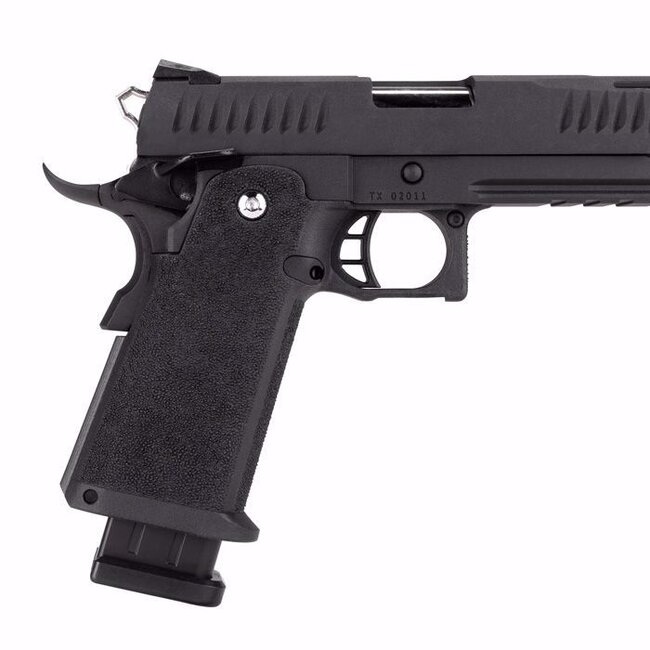
Several specific components determine whether yourairsoft pistol feeds reliably or suffers from frustrating malfunctions.
Feed Lips Design and Material
Feed lips are perhaps the most critical component of any magazine. These small lips at the top of the magazine must hold BBs securely while allowing smooth release when the nozzle strips them away.
High-quality magazines feature precisely molded or machined feed lips with consistent dimensions and smooth surfaces. Polymer feed lips can wear over time, becoming too loose and causing double-feeds (two BBs entering the chamber simultaneously) or too tight, preventing BBs from being stripped at all.
Metal feed lips generally last longer but can become bent if the magazine is dropped or impacted. Even a slight bend can cause catastrophic feeding failures.
Magazine Spring Tension
The magazine spring must provide consistent upward pressure throughout the magazine's capacity. Too much tension can cause the top BB to push too hard against the feed lips, making it difficult for the nozzle to strip it away. Too little tension results in insufficient feeding force, causing short-stroking or failure-to-feed malfunctions.
Quality magazines use properly sized springs with consistent coil spacing. Cheap magazines often use springs that are too weak or that lose tension quickly with use.
Loading Nozzle Geometry
The loading nozzle must have the correct diameter, length, and entry angle to reliably strip BBs from the magazine. The nozzle opening should be slightly larger than 6mm to accommodate BBs without binding, but not so large that BBs can tilt or turn sideways.
The entry angle of the nozzle as it approaches the magazine is equally important. A proper angle allows the nozzle to smoothly contact and push the BB forward. An incorrect angle can cause the nozzle to impact the BB from above or below, leading to jams.
Hop-Up Bucking Alignment
The hop-up bucking—the rubber sleeve inside the hop-up chamber—must be properly seated and aligned. If the bucking is twisted, torn, or incorrectly installed, it can obstruct the feeding path or create uneven pressure on BBs as they enter.
The hop-up adjustment itself also affects feeding. Excessive hop-up (too much backspin) can create excessive resistance as the BB enters the chamber, potentially causing feeding issues in weak systems.
Common Feeding Problems and Their Causes
Even the best6mm airsoft feeding systems can experience problems. Recognizing the symptoms helps you identify and fix issues quickly.
Failure to Feed (FTF)
When your pistol fires but the next BB doesn't chamber, you're experiencing a failure-to-feed malfunction. Common causes include:
- Weak magazine spring: Insufficient pressure to present BBs properly
- Dirty or damaged feed lips: BBs hang up instead of releasing smoothly
- BB quality issues: Oversized, undersized, or deformed BBs jam in the feeding path
- Worn loading nozzle: Improper contact with BBs during stripping
- Insufficient gas pressure: In gas pistols, low gas levels can't cycle the action fully
Double-Feeding
Double-feeding occurs when two BBs enter the chamber simultaneously, causing an immediate jam. This problem typically indicates:
- Worn or damaged feed lips: Unable to retain BBs properly
- Excessive magazine spring tension: Pushing BBs up too forcefully
- Rapid cycling: Shooting too quickly for the feeding system to keep up
- Magazine compatibility issues: Aftermarket magazines with incorrect dimensions
Inconsistent Feeding
If your pistol feeds reliably sometimes but not others, look for:
- Temperature-related gas pressure fluctuations: Gas pistols perform differently in cold
- Dirt or debris in the feeding path: Occasional obstructions cause random jams
- Magazine position or seating issues: Magazine not fully locked into position
- Worn components: Parts on the edge of failure that work intermittently
BB Quality and Its Impact on Feeding
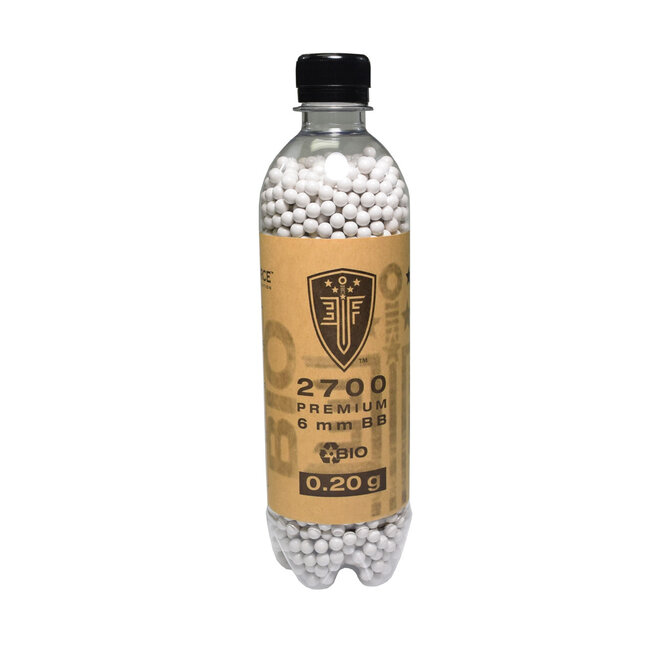
Not all 6mm BBs are created equal, and BB quality significantly affects feeding reliability. Understanding BB specifications helps you choose ammunition that works optimally with your feeding system.
BB Diameter Tolerances
Quality BBs maintain a diameter of 5.95mm ±0.01mm. This tight tolerance ensures consistent fit throughout the feeding system. Oversized BBs can jam in tight feed lips or hop-up buckings, while undersized BBs may feed inconsistently or roll out of position.
Surface Finish and Smoothness
BBs should have a perfectly smooth, polished surface without seams, dimples, or irregularities. Rough or imperfect BBs create friction as they move through magazines and feeding mechanisms, increasing the chance of jams.
High-quality manufacturers use precision molds and polishing processes to produce seamless BBs. Budget BBs often have visible seam lines where mold halves meet, creating rough spots that catch on feed lips and hop-up buckings.
BB Weight Considerations
While BB weight primarily affects trajectory and accuracy, it can also influence feeding. Heavier BBs (0.25g, 0.28g, 0.30g) require slightly more force to accelerate and may feed differently than standard 0.20g BBs, especially in systems with marginal magazine spring tension.
Most quality pistols handle weights from 0.20g to 0.28g without issues, but weak magazine springs may struggle with heavier ammunition.
Maintenance Tips for Optimal Feeding Performance
Regular maintenance keeps your feeding system functioning reliably season after season.
Magazine Care
Clean magazine interiors periodically using compressed air or a soft cloth. Remove any BB fragments, dust, or debris that accumulates in the BB well. Lubricate magazine springs lightly with silicone oil every few months to prevent corrosion and maintain smooth operation.
Inspect feed lips regularly for cracks, wear, or deformation. Store magazines empty or with minimal tension to prevent spring fatigue over time.
Gas Magazine Specific Maintenance
Gas magazines require additional attention. Check valve seals for leaks by filling the magazine and listening for hissing. Clean the valve face with a soft cloth and apply a small amount of silicone oil to maintain proper sealing.
Store gas magazines with a small amount of gas inside to keep seals lubricated. Empty magazines can develop dry, cracked seals that leak when refilled.
Hop-Up and Nozzle Cleaning
Remove the hop-up unit periodically and clean the bucking with warm water (no soap or chemicals that can degrade rubber). Check that the bucking is properly seated and not torn or deformed.
Clean the loading nozzle with a cotton swab to remove any BB residue or lubricant buildup. A clean nozzle strips BBs more reliably.
Upgrading and Optimizing Your Feeding System
For players seeking maximum reliability, several upgrades can improve feeding performance.
Magazine Upgrades
Aftermarket magazines from reputable manufacturers often feature improved feed lips, stronger springs, and better materials than stock magazines. Brands known for quality magazines include Tokyo Marui, KWA, and Elite Force.
For gas magazines, upgraded valve assemblies can provide more consistent gas release and better cold-weather performance.
Hop-Up Improvements
Upgraded hop-up buckings from manufacturers like Maple Leaf or Prometheus feature improved materials and designs that provide more consistent BB seating and feeding. These buckings maintain their shape better and create more reliable air seals.
Internal Polishing
Carefully polishing the feeding path inside your pistol can reduce friction and improve reliability. Use very fine polishing compound (2000+ grit) on the loading nozzle track and any surfaces that contact BBs during feeding. Be careful not to remove material or change dimensions—you're only smoothing surfaces, not reshaping them.
Gas Blowback vs. Non-Blowback Feeding Differences
The type of pistol you own significantly affects how its feeding system operates.
Gas Blowback (GBB) Systems
GBB pistols use slide movement to strip and chamber BBs. The slide must travel rearward far enough to clear the magazine, then return with sufficient force to strip the next BB and push it into the chamber. This dynamic feeding system requires precise timing and adequate gas pressure throughout the magazine's capacity.
GBB feeding systems are more complex but provide realistic operation. They're more sensitive to maintenance issues, gas pressure, and magazine quality.
Non-Blowback and Electric Pistol Systems
Non-blowback gas pistols and electric pistols (AEPs) use internal mechanisms to feed BBs without moving slides. These systems are typically more reliable because they're less dependent on gas pressure and have fewer moving parts in the feeding cycle.
Fixed-slide designs often feature simpler loading nozzles that push BBs directly from the magazine into the hop-up unit without the complicated timing required in blowback systems.
Choosing the Right Feeding System for Your Needs
When shopping for a newairsoft pistol, feeding system reliability should be a top consideration alongside power, accuracy, and realism.
For maximum reliability in all conditions, spring-powered magazines in non-blowback or electric pistols offer the most consistent feeding. These systems work in any temperature and require minimal maintenance.
For realistic operation and training value, gas blowback pistols with quality gas magazines provide the most immersive experience. Be prepared for more maintenance and slightly reduced reliability in cold weather.
For competitive play or extended skirmishes, consider pistols with readily available, affordable magazines so you can carry multiple mags and keep shooting even if one develops feeding issues.
Conclusion: Mastering Your Feeding System
Understanding how BB feeding systems work transforms you from a casual user into an informed operator who can maintain, troubleshoot, and optimize your equipment. The feeding system might seem like a simple component, but it's actually a precisely engineered mechanism that requires attention to detail and proper maintenance.
By choosing quality6mm airsoft equipment, maintaining your magazines properly, and using high-grade BBs, you'll minimize feeding issues and maximize your time on the field. Whether you're running gas blowback pistols for realism or electric pistols for reliability, a well-maintained feeding system ensures that when you pull the trigger, a BB is ready to fly.
Take the time to inspect your magazines regularly, clean your feeding components, and address small issues before they become major problems. Your feeding system is the heart of your pistol's reliability—treat it with the care it deserves, and it will serve you faithfully through countless games and training sessions.


