
Backyard Target Shooting in Canada: Getting Started with Air Rifles Under 500 FPS
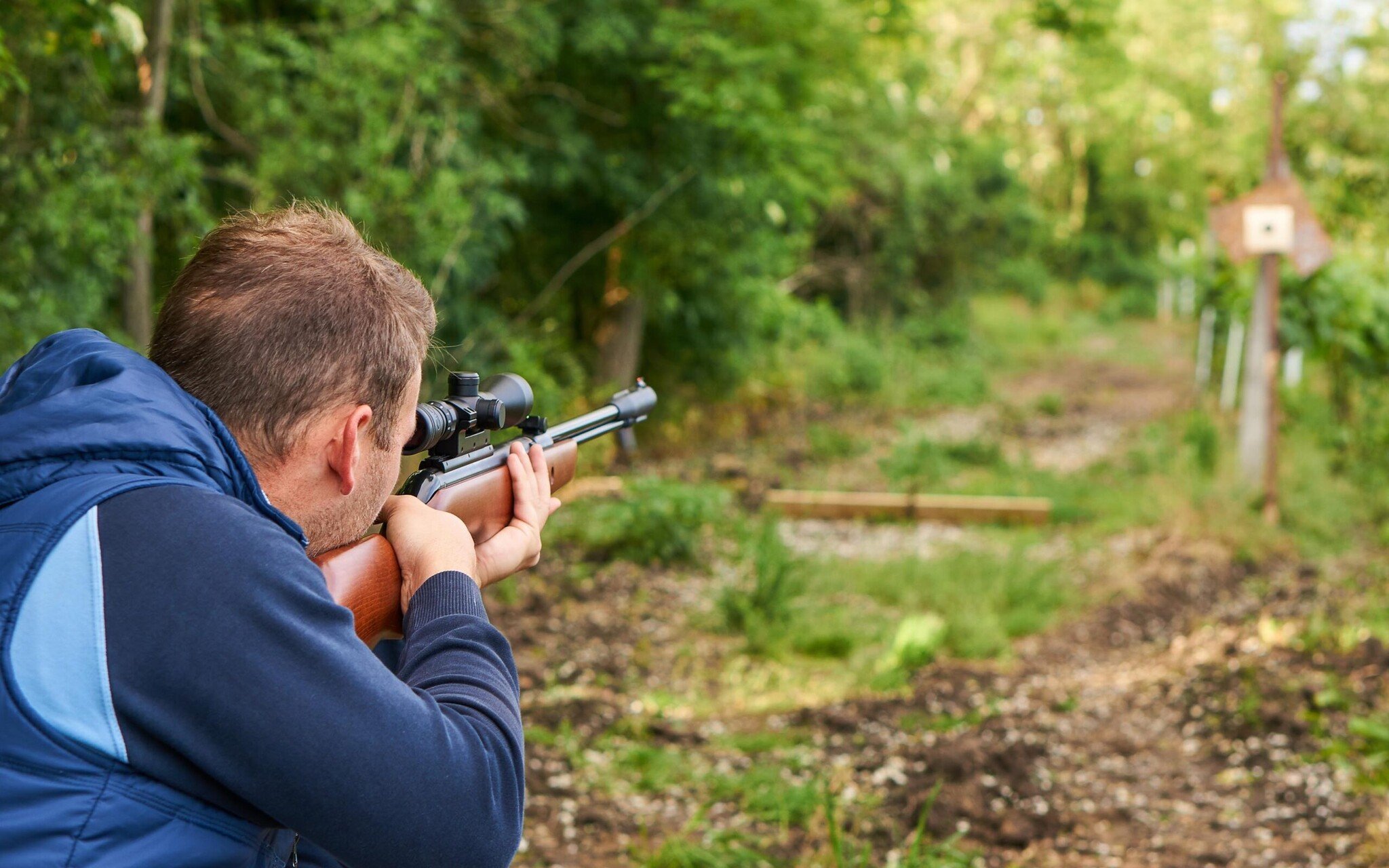
Backyard Target Shooting in Canada: Getting Started with Air Rifles Under 500 FPS is one of the easiest ways to enjoy affordable, low-noise marksmanship training at home—when you do it safely and responsibly. For many newcomers to backyard shooting Canada, sub-500 FPS airguns offer a practical entry point for air rifle target practice, backyard plinking, and improving pellet gun accuracy without the complexity of higher-powered setups.
In this guide, we’ll cover what “under 500 FPS” means, how to set up a safe range, how to choose between a pellet rifle and a BB gun, and how to get better accuracy with smart practice and the right accessories.
Understanding “Under 500 FPS” Air Rifles in Canada
In Canada, airguns are often discussed by their muzzle velocity (feet per second, or FPS). Many people look specifically forair rifles under 500 FPS because they’re commonly used for backyard target shooting and general plinking. That said, local laws, bylaws, and safe handling expectations still apply—so think of “under 500 FPS” as a starting point, not a free pass.
Before you shoot at home, take time to confirm:
- Municipal bylaws (some cities restrict discharge of any projectile device, including airguns).
- Where you live (rural properties are typically more suitable than dense urban neighbourhoods).
- Your range layout (backstop, safe direction, and property boundaries matter).
The goal is simple: keep every shot on your property and under control, every time.
Is Backyard Shooting Legal? What Canadians Should Check First
If you’re researching backyard shooting Canada rules, the most important reality is that legality is often local. Even if your airgun is below 500 FPS, your municipality may restrict shooting in residential areas. Some regions treat airguns similarly to firearms for discharge purposes, while others regulate them under separate bylaws.
Do this before your first session
- Check local bylaws on “discharge of firearms” and whether airguns are included.
- Confirm safe distances and direction (avoid shooting toward roads, paths, or neighbouring yards).
- Talk to neighbours if appropriate—many backyard issues come from surprise noise or misunderstanding.
- Use a dedicated backstop rated for airgun use, not a fence or a tree.
When in doubt, choose a controlled environment like a club range—or set up your home practice so conservatively that safety is never in question.

Choosing Your First Airgun: Pellet Rifle vs BB Gun
Two of the most common starting points for backyard plinking are apellet rifle and aBB gun. Both can be fun for air rifle target practice, but they behave differently on paper targets and reactive targets.
Pellet rifles (best for accuracy and paper targets)
- Typically better pellet gun accuracy: Diabolo pellets stabilize well and seal the barrel effectively.
- Great for groups: If you want tight clusters at 10–25 meters, pellets are usually the way to go.
- More projectile choices: Wadcutters for paper, domes for general use, specialty options for specific needs.
BB guns (best for casual plinking and high-capacity fun)
- Fast follow-up shots: Many BB platforms are designed for higher capacity and easy loading.
- Good for reactive targets: Spinners and knockdowns can be very satisfying.
- Note on precision: BBs can be less consistent than pellets, depending on the barrel type and ammo quality.
If your main goal is improving accuracy, start with a pellet platform. If your goal is casual backyard plinking with simple reactive targets, a BB setup can be a great entry point—just keep expectations realistic and prioritize safe containment.
Backyard Range Setup: The Safe, Quiet, and Effective Way
A good backyard setup makes practice more enjoyable and dramatically reduces risk. The best home ranges are designed around one concept: your backstop is the real “target.” Everything else is secondary.
1) Pick the safest shooting direction
- Shoot away from homes, roads, and common foot traffic areas.
- Use the most isolated corner of your yard, if possible.
- Avoid elevated shooting angles that could send a missed shot farther than intended.
2) Build or buy a proper backstop
For air rifle target practice, a purpose-made pellet trap or a layered backstop system is ideal. Never rely on fences, sheds, or trees. A safe backstop should:
- Stop pellets/BBs reliably
- Reduce ricochet risk
- Contain misses, not just hits
3) Choose targets that match your skill level
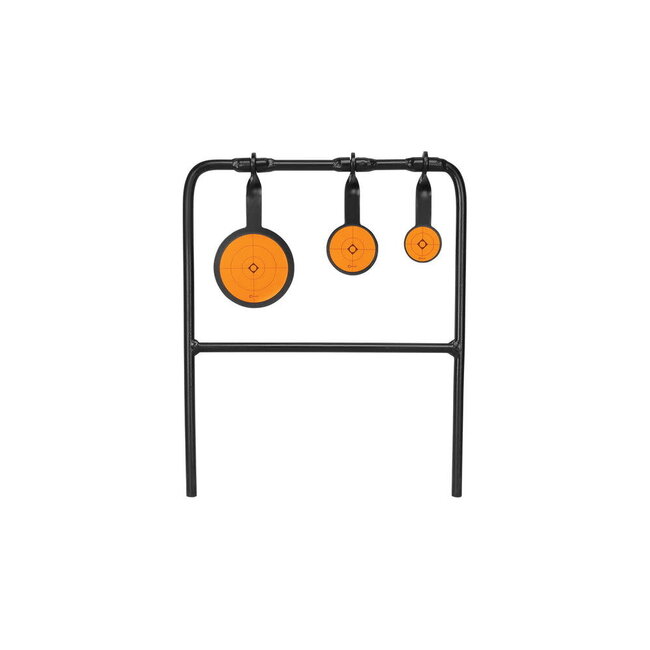
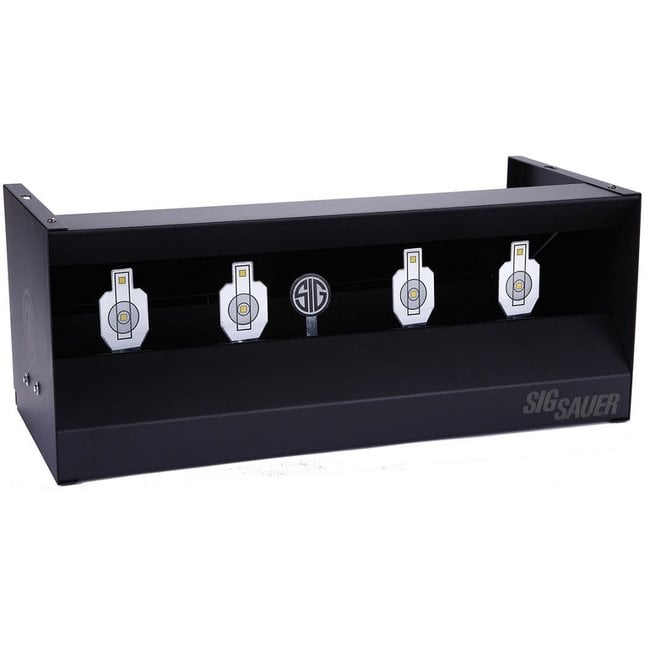
Start large, then go smaller as your groups tighten. Consider mixing paper targets with reactive options to keep practice fun. You can explore a wide variety oftargets—from simple bullseyes to spinners and durable backstop-friendly solutions.
4) Manage noise and visibility
- Schedule your sessions at reasonable hours.
- Use a discreet lane and keep your setup tidy.
- Store airguns securely when not in use.
Responsible presentation matters. It helps ensure backyard shooting stays a positive hobby and reduces the chance of complaints or misunderstandings.
Air Rifle Safety Tips for Backyard Target Shooting
Whether you’re new or experienced, consistent safety habits are what make backyard target shooting sustainable. These air rifle safety tips are non-negotiable:
- Treat every airgun as loaded. Even “just a BB gun” can cause serious harm.
- Keep the muzzle in a safe direction at all times.
- Finger off the trigger until sights are on target and you’ve decided to shoot.
- Know what’s beyond the target. Your backstop should capture everything.
- Wear eye protection. Ricochets can happen, especially with BBs on hard surfaces.
- Use safe loading and unloading routines. Make “clear and safe” a habit.
- Lock up your airgun and ammo when not in use, especially around kids/visitors.
Many backyard incidents come from rushed handling or improvised backstops. Take your time, keep it structured, and you’ll enjoy safer sessions and better shooting.
Improving Pellet Gun Accuracy: Practical Tips That Work
If your goal is consistent pellet gun accuracy, focus on the fundamentals and remove variables. Small changes—better support, consistent pellets, and a repeatable routine—make a big difference.
Dial in your distance and expectations
- Start at 10 meters for paper targets. Get tight groups first.
- Move to 15–25 meters only once your groups are consistent.
- Track progress by group size, not just single “good shots.”
Use the right pellets (and stick with them)
Pellets vary by shape, weight, and manufacturing consistency. Try a few quality options, then commit to the one that groups best in your rifle. Constantly switching ammo makes troubleshooting harder.
Improve your shooting position
- Use a stable rest (sandbag or shooting bag) when testing accuracy.
- Practice consistent cheek weld and shoulder pressure.
- Work on smooth trigger press and follow-through.
Add optics when it makes sense
Iron sights are excellent for fundamentals, but a scope can help you see your aiming point clearly—especially on smaller bullseyes. If you’re ready to tighten groups or stretch distance, consider aquality scope that fits your airgun and typical backyard distances.
Backyard Plinking Drills: Make Practice Fun (and Productive)
Backyard plinking is more than “just shooting stuff.” With a little structure, it becomes skill-building practice that stays entertaining.
Try these simple drills
- 5x5 groups: Shoot 5 shots at 5 targets, one shot each, then repeat. Focus on consistency.
- Dot torture (airgun edition): Use small dots at close range and shoot a pattern to test fundamentals.
- Timed transitions: Move between two targets and keep hits inside a defined scoring ring.
- Cold-bore challenge: Your first shot of the day matters—record it and watch your improvement.
These drills work for air rifle target practice with pellets, and many can be adapted for a BB platform as well.
Common Beginner Mistakes (and How to Avoid Them)
- Underbuilding the backstop: If it can fail, it eventually will. Build for worst-case misses.
- Shooting too far too soon: Master 10 meters before chasing longer distances.
- Inconsistent hold: Repeat the same grip, cheek weld, and trigger press every shot.
- Ignoring wind: Even light wind can move lightweight pellets at longer backyard distances.
- Not checking fasteners: Loose mounts or screws can wreck accuracy and frustrate you.
Putting It All Together: Your First Backyard Session Checklist
- Confirm bylaws and pick a safe shooting direction.
- Set a reliable backstop and safe firing line.
- Choose appropriate paper/reactive targets.
- Wear eye protection and follow strict muzzle discipline.
- Start close, shoot slow, measure groups, and make small adjustments.
Shop Smart and Start Shooting Responsibly
If you’re ready to build a safe, enjoyable home setup for air rifle target practice, start with the right platform and accessories. Browseair rifles under 500 FPS, pick a dependablepellet rifle (or a funBB gun), add durabletargets, and consider aquality scope once you’re ready to tighten your groups.
Call to action: Set up your backyard range the right way—shop today, build a safe backstop, and start improving your accuracy one session at a time.


